You want clearer front-stage sound, cleaner bass integration, and less strain on a factory system that’s already working hard. The right 4 channel car amp helps daily commutes, road trips, and weekend builds feel more composed without turning the install into a headache. This roundup keeps the focus on practical fit, wiring flexibility, and the kind of power that makes sense in real cars, not just on a spec sheet.
Some of these picks lean toward simple upgrades for stock systems, while others make more sense in a full aftermarket build with bridged channels or stronger output. You’ll also see a few compact options that fit tight installs better than bulkier units.
Quick Look At The Shortlist

Pioneer GM-A6704 Bridgeable 4-Channel Amplifier

Taramps TS 800×4 Multichannel Amplifier
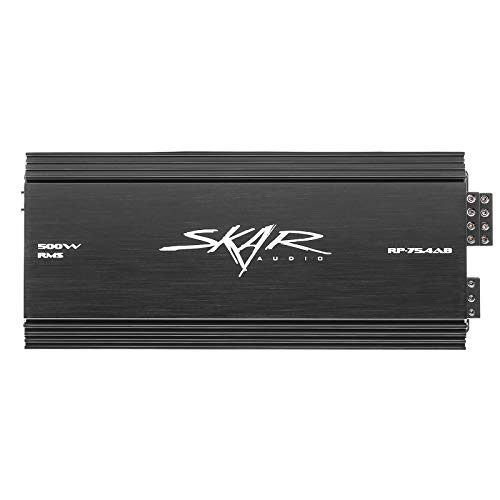
Skar Audio RP-75.4AB 4-Channel Amplifier
Yaeccc 4-Channel Car Amplifier 3200W

Taramps TS 1200×4 Amplifier Car Audio
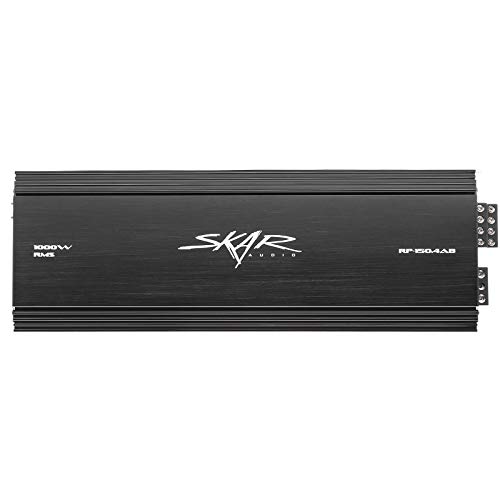
Skar Audio RP-150.4AB 4-Channel Amplifier

Taramps TS 400X4 Black 4-Channel Amplifier
More Details On Our Top Picks
The Pioneer GM-A6704 fits neatly into a system that needs control more than drama. Its Class AB design, along with high-pass and low-pass filtering, gives you practical tuning for door speakers or a bridged setup without turning the install into a puzzle.
That makes it a smart match for daily drivers that want cleaner front sound and better separation at normal volume. The trade-off is that Class AB amps usually run less efficiently than Class D units, so placement and airflow matter more in a cramped trunk.
Strong Points
- Bridgeable channels give you more layout options.
- High-pass and low-pass filters help shape speaker output.
- Works well for balanced front-stage upgrades.
- Good fit for straightforward factory-system improvement.
Things To Consider
- Class AB designs can draw more heat than compact Class D units.
- You’ll want enough room for sensible mounting and airflow.
- It suits a clean, moderate build better than a showy power chase.
Feature Snapshot
Who It Suits Best
You’ll get the most from this one in a daily car audio setup where you want clean tuning and a familiar install style.
A Better Fit Elsewhere
Taramps TS 400X4 Black suits you better when you want a smaller Class D amp with high-level and RCA inputs for a tighter install.
This Taramps model leans harder into flexibility than the Pioneer GM-A6704, especially for installs that mix source types. With RCA and high-level inputs, plus full-range crossover support, it’s built for systems that need to accept different head units or factory outputs.
You may find the extra routing freedom especially useful in a truck or sedan where the signal source changes later. The catch is that more configuration options can mean a little more time at install, so it suits someone comfortable reading the setup path before mounting.
Best Bits
- RCA and high-level inputs widen compatibility.
- Full-range crossover support helps with speaker matching.
- Bridgeable layout gives you useful wiring options.
- Class D design is a practical fit for tighter spaces.
Room For Improvement
- Setup takes a little more attention than simpler amps.
- More flexible wiring can feel busy for first-time installers.
- The feature set makes most sense in a planned system, not a casual drop-in.
Core Details
Built With In Mind
You’ll appreciate this amp most in a mixed-source system where flexibility matters as much as output.
Another Choice May Suit
Pioneer GM-A6704 fits better for a simpler upgrade path when you want a more traditional Class AB feel and fewer wiring decisions.
The Skar Audio RP-75.4AB keeps the formula straightforward, which is often exactly what a modest speaker upgrade needs. Compared with the Taramps TS 800×4, it feels more focused on basic full-range duties than on layered input flexibility.
That simplicity works well for a clean install in a compact car or for someone replacing a weak factory amp without chasing a complex tuning path. The honest read is that it’s better for a sensible audio refresh than for a power-hungry build.
Bright Spots
- Full-range Class A/B output suits everyday speaker use.
- Simple layout makes planning the install easier.
- Good match for a restrained system refresh.
- Less intimidating than feature-heavy multichannel amps.
Minor Gripes
- It does not aim at the higher-output tier of the list.
- Basic builds may outgrow it faster than larger models.
- Class A/B amps generally need more careful placement than compact Class D units.
Technical Sheet
Perfect Match For
You’ll like this most in a modest daily-driver setup where clean speaker power matters more than heavy output.
Where A Sibling Pick Shines
Taramps TS 1200×4 suits you better when you want a larger step up in output and a more ambitious door-speaker build.
This Yaeccc amp is the sort of option that makes sense in a budget-minded build where size and wiring simplicity matter. It sits closer to the Skar Audio RP-75.4AB than to the Taramps TS 800×4, but its 12V and full-range framing make it feel aimed at broad, flexible use.
In a small hatchback or a basic upgrade car, that can be enough to get a better result without overcomplicating the project. The trade-off is that a wide, catch-all spec style usually asks you to be more careful about matching it to the rest of the system.
Upsides
- Compact style helps in tighter installs.
- Full-range design supports more speaker layouts.
- Good starting point for a cost-aware build.
- Works as a broad fit for simple upgrades.
Points To Note
- Generic product styling can leave setup details less clear.
- It needs careful matching to avoid an underwhelming result.
- Better suited to practical installs than to enthusiast tuning.
Details At A Glance
Whose Shelf It Belongs On
You’ll get the most from this in a practical, budget-first build where you want a simple path to added speaker power.
Swap It Out When
Pioneer GM-A6704 is the better fit when you want clearer tuning controls and a more established, conservative amp layout.
The Taramps TS 1200×4 moves you into a more serious output bracket than the TS 800×4, while keeping the same kind of flexible multichannel thinking. Fixed RCA and wire input support make it a strong match for systems where the signal path is already planned, not guessed at.
That extra headroom matters in a larger sedan or an SUV with speakers that need more authority at normal listening levels. The catch is that the stronger setup makes little sense for a casual factory-radio refresh, so it’s best for a build that already has clear goals.
Reasons To Buy
- Higher output suits more demanding speaker setups.
- Bridgeable channels expand routing choices.
- Fixed RCA and wire input support practical installations.
- Full-range crossover helps keep the system adaptable.
- Well matched to a planned upgrade path.
Softer Spots
- It’s more amp than a simple tune-up needs.
- Installation planning matters more than with basic models.
- The extra output can be overkill for small systems.
Core Details
Right Fit For
You’ll like this best in a system that already has upgraded speakers and needs more controlled headroom.
Look Elsewhere When
Taramps TS 400X4 Black is the easier reach for a tighter cabin or a smaller build that doesn’t need this much output.
The Skar Audio RP-150.4AB stands out because it keeps the Class A/B format but pushes farther into higher-output territory than the RP-75.4AB. That makes it a better match for systems where the speakers can actually take advantage of the extra room to breathe.
For a daily driver with upgraded door speakers, it can be a solid step up without forcing you into a more complex multichannel ecosystem. The honest read is that it suits a committed install more than a casual one, and the extra output comes with the usual Class A/B heat-management considerations.
Standout Traits
- Higher-rated output gives more headroom than the smaller Skar model.
- Full-range Class A/B design keeps speaker use straightforward.
- Good fit for stronger front-stage systems.
- Feels better aligned with larger speaker upgrades.
Areas To Watch
- It’s more amp than a light refresh usually needs.
- Heat management deserves attention in tighter spaces.
- Works best when the rest of the system is already upgraded.
Feature Rundown
Who Will Love This
You’re the best match for this amp when your build already includes upgraded speakers and you want firmer power delivery.
A Better Fit Elsewhere
Pioneer GM-A6704 is the calmer choice for a simpler, more tuning-focused upgrade in a standard daily car.
The Taramps TS 400X4 Black is the neatest fit in this list for a tight install. Its compact Class D layout, plus high-level and RCA inputs, makes it easy to place in vehicles where every inch of space counts.
Compared with the bigger Taramps TS 800×4 and TS 1200×4, it feels more like a clean, practical path into four-channel power than a move into heavy output. You may find it especially useful in hatchbacks, small sedans, or stealthy cargo-area installs where neat wiring matters.
Positives
- Compact Class D design helps with placement.
- High-level and RCA inputs support more source options.
- Bridgeable channels give you useful flexibility.
- Built-in crossover helps with speaker matching.
- Good fit for space-conscious installs.
Small Caveats
- Smaller output suits modest systems better than large builds.
- It’s not the right match for heavy power demands.
- Best results come from careful speaker pairing.
Quick Facts
Made For
You’ll get the most from this amp in a small to mid-size car where tidy wiring and modest output are the main goals.
Where Shoppers Go Wrong
Taramps TS 1200×4 is the better move for anyone chasing noticeably stronger output and a more ambitious speaker setup.
How To Choose The Right 4 Channel Car Amps
Match Output To The Speakers You Already Have
The easiest mistake is chasing big watt numbers before checking the speakers. A modest factory replacement set usually wants clean, controlled power, while upgraded component speakers can take more headroom and reward it with better dynamics. A 400-watt RMS unit like the Taramps TS 400X4 Black is a different conversation from the 1200-watt RMS TS 1200×4, and that gap matters more than marketing language.
Power at the right impedance also matters, because many amps quote output at 2 ohms. That number tells you what the amp can do under a specific load, so you need to align it with your speaker wiring plan. A mismatch can leave you with either too little output or an amp that’s working harder than it should.
Choose Inputs Based On Your Head Unit
RCA inputs suit aftermarket head units and cleaner signal paths, while high-level inputs connect more easily to factory radios. That’s why the Taramps TS 800×4 and TS 400X4 Black stand out for mixed systems, they give you more ways to integrate without extra adapters in some setups.
Bridgeable channels add another layer of flexibility, because you can combine two channels for a different layout. That’s helpful for someone who wants to power front speakers now and rework the system later. The trade-off is that a flexible amp asks for a more thoughtful install, especially in cars where access behind the trim is tight.
Think About Heat, Space, And Amp Class
Class D amps are usually the easier fit in cramped installs because they’re compact and efficient. The Taramps TS 400X4 Black shows that well, while Class A/B options like the Pioneer GM-A6704 and Skar Audio units lean more toward traditional speaker drive and may need a bit more breathing room.
In a trunk-mounted setup or a hot climate, airflow is not a minor detail. Mounting location, cable routing, and clearance around the fins or chassis all affect long-term ownership more than the label on the box. A tidy amp rack helps a lot, and so does leaving space for service access.
Pick For Use Case, Not For Hype
Daily commuters usually want a well-rounded amp that improves clarity without turning the cabin into a project. Enthusiasts building a louder door-speaker system may prefer the Taramps TS 1200×4 or Skar Audio RP-150.4AB for the extra room to grow. The best fit is the one that matches your speaker plan, installation space, and patience level.
Compact cars, hatchbacks, and stealth installs tend to favor smaller Class D units, while larger sedans and trucks can handle a more substantial chassis. That simple split keeps the choice grounded. It also saves you from overbuying power you won’t actually use.
Things Worth Knowing Before You Choose
Mistakes Worth Dodging
Don’t start with output alone, because the loudest number on the page can hide a poor fit. You also want to avoid buying an amp that only works neatly with a source type you don’t have, especially in factory-radio systems.
Another common miss is ignoring installation space. A larger Class A/B amp can be fine in a trunk build, but it feels clumsy in a tight hatch area where routing and ventilation are already limited.
The Case For Spending Up
Higher-tier models usually cost more because they give you more headroom, more flexible input options, or more adaptable crossover control. That extra money often goes toward better integration rather than just bigger numbers on the box.
Spending up makes sense when your speakers are already upgraded and you want the amp to keep pace. It also helps when your install plan is more complex, since bridgeable channels and broader input support can save frustration later.
Frequently Asked Questions
What does a 4 channel car amp do?
A 4 channel car amp powers four speaker paths, usually front and rear. It can also be bridged on some models to change how the channels are used.
Should you choose Class A/B or Class D?
Class A/B is a common fit for smooth, traditional speaker power, while Class D is usually smaller and easier to place. The better choice depends on your space, heat tolerance, and install plan.
Do high-level inputs matter?
High-level inputs help you connect to a factory radio without relying on RCA outputs. That makes them useful in vehicles that still use the original head unit.
What does bridgeable mean?
Bridgeable means two channels can work together as one stronger output path. That gives you more layout options for speakers or a sub-style setup.
How much power do you need?
You need enough power to match the speakers and the way you listen, not just a large watt number. Modest daily upgrades often do fine with a smaller amp, while larger systems benefit from more headroom.