

A good 5-channel amp keeps your front speakers and subwoofer working as one system, so your music feels tight instead of scattered. That matters in daily commutes, long road trips, and older vehicles where factory sound has run out of steam. The seven picks below cover compact builds, bridgeable layouts, and higher-output choices for different cabin sizes and install goals. You’ll also see which ones make sense for straightforward upgrades and which ones suit more ambitious setups.
The Shortlist At A Glance

Rockville dB55 4000W 5-Channel Car Amplifier
Skar Audio SK-M9005D Compact Full-Range Class D 5-Channel Car Amplifier
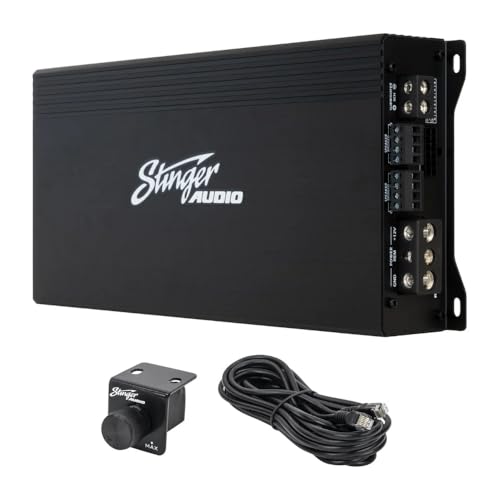
Stinger Audio MT-1000.5 Compact Digital Class D 5-Channel Car Audio Amplifier
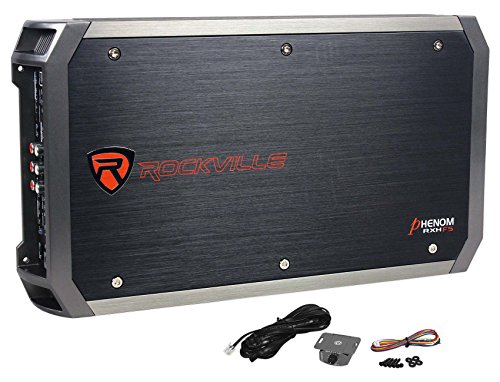
Rockville RXH-F5 3200W 5-Channel Car Amplifier

Jensen JA5CH 5-Channel Class-D Car Amp

Recoil RED1800.5 Class-D Car Audio 5-Channel Amplifier

NVX VAD11005 v2 Model 5-Channel Class D Amplifier
More Details On Our Top Picks
Rockville’s dB55 suits someone building a louder cabin without splitting the system into separate amps. The 2-ohm stable design matters because it gives you more wiring flexibility with many common speaker-and-sub layouts, and the bass knob makes quick adjustment easier from the driver’s seat. The trade-off is that a feature-rich, high-output amp like this usually asks for more careful install planning and enough electrical support.
Compared with the Skar and Jensen picks, this one leans harder into bass control and tuning depth. In a daily driver with upgraded door speakers and a sub, that can feel nicely organized rather than messy, almost like the whole system got its lines redrawn. It’s a strong fit for someone who wants a serious step up and doesn’t mind spending time on setup.
Strong Points
- 5-channel layout keeps speakers and sub in one chassis.
- High-speed MOSFET power supply supports responsive output behavior.
- Adjustable crossover helps shape front and low-end sections separately.
- Remote sub control makes cabin-level bass changes easy.
- Soft-start behavior and subsonic filtering suit tighter installs.
Things To Consider
- More tuning options also mean more setup time.
- Owners usually need a tidy, well-planned wiring job for the cleanest result.
- The feature set is richer than the Jensen JA5CH, so simple installs may feel overbuilt.
Feature Snapshot
Who It Suits Best
Music-heavy commuters and weekend installers who want one amp for speakers and subwoofers will get the most from it.
A Better Fit Elsewhere
Skar Audio SK-M9005D fits you better if a smaller chassis matters more than deep tuning control.
Space is the main story here, and that makes the SK-M9005D appealing for cars with limited under-seat or trunk room. A full-range Class D design is useful because it’s typically chosen for efficiency and smaller hardware footprints, which suits compact installs in daily drivers and hatchbacks. The compromise is that you’re looking at a lower-output profile than the larger Rockville models above.
Against the dB55 and RXH-F5, this one feels like the neat apartment version of a five-channel amp, tidy and easier to place. That can matter more than raw output in a commuter where access, cooling space, and cable routing are already cramped. It’s a sensible match for someone who wants a clean install without oversized hardware.
Highlights
- Compact body helps in tight mounting spots.
- Full-range Class D layout usually supports efficient operation.
- Five channels keep front speakers and a sub together.
- Good fit for small trunks and shallow install areas.
Small Caveats
- Lower output ceiling than the Rockville and NVX options.
- Tight installs still need careful airflow planning.
- It offers less headroom for future speaker upgrades.
Core Details
Who Will Love This
Urban commuters and smaller-vehicle owners who need a neat, low-footprint install will appreciate it most.
Another Choice May Suit
Rockville dB55 is the better match for you if stronger bass control matters more than compact size.
Stinger leans into control, which makes sense for someone who likes to tune a system instead of just turning it on and leaving it alone. The bass knob, bass boost, high-pass crossover, low-pass crossover, and subsonic filter give you several ways to shape what the speakers and sub are doing. The trade-off is that a more adjustable amp can take longer to dial in cleanly.
Compared with the Skar Audio SK-M9005D, this one gives you more tuning levers without moving into the biggest chassis in the group. That balance works well in a weekend build where you want a little more authority than a basic compact amp but still need sane packaging. It’s a thoughtful fit for someone who likes control but not clutter.
Bright Spots
- Remote bass control is handy from the driver’s seat.
- Separate crossover tools help split speaker and sub ranges.
- HEXFET MOSFET output stage supports efficient power delivery.
- Compact digital Class D layout keeps the footprint manageable.
- Good match for systems that need detailed tuning.
Points To Note
- More controls mean more time spent balancing settings.
- It can feel like more amp than a simple factory speaker refresh needs.
- Careful cable management helps keep the install tidy.
Details At A Glance
Built With In Mind
You’ll like this most in a tuned daily driver where small adjustments make a real difference to the sound balance.
Where A Sibling Pick Shines
Jensen JA5CH is the simpler route for you if you want straightforward 5-channel basics without as many tuning layers.
The RXH-F5 sits in a useful middle zone, especially for systems that need both speaker detail and sub support without drifting into the most specialized setup here. ELNA capacitors are the kind of internal part that usually gets attention from car-audio shoppers because capacitors help smooth electrical delivery inside the amp. The trade-off is less about missing features and more about matching its size and tuning to the rest of your build.
Against the dB55, this Rockville feels a little more traditional in its sound-system approach, while still giving you a bridgeable layout and high-level input. That helps in older vehicles or factory head-unit upgrades where RCA routing isn’t the whole story. For a balanced trunk build, it lands in a very comfortable place.
Upsides
- Dyno-certified RMS rating gives the output claim more context.
- MOSFET power supply supports stable internal power handling.
- ELNA capacitors are a quality-minded internal touch.
- Bridgeable design adds wiring flexibility for mixed setups.
- High-level input helps with factory head units.
Honest Caveats
- The fuller feature set can mean a longer install session.
- It makes more sense in a planned system than in a casual plug-and-play job.
- Some shoppers will prefer the smaller footprint of the Skar Audio unit.
Technical Sheet
The Right Fit
You’re in the sweet spot here if you want a balanced system for a sedan, coupe, or small SUV with room for a careful install.
Skip It When
NVX VAD11005 v2 is the better move for multi-vehicle use and a broader 2/4-ohm stability focus.
Jensen keeps things straightforward, and that’s its appeal. A Class D amp is often chosen for efficiency and compact packaging, so this fits well in an everyday car where you want a cleaner layout without extra complexity. The bridgeable design adds flexibility, though the simpler feature set means less tuning depth than the Rockville and Stinger options.
For a first serious upgrade, it feels easier to live with than the more adjustable amps above. That can matter in a family vehicle where the install needs to stay tidy and the settings shouldn’t become a weekend hobby. It’s a friendly match for someone who wants a clear five-channel setup without a lot of fuss.
Reasons To Buy
- Class D design supports compact and efficient packaging.
- Runs four speakers and a sub from one unit.
- Bridgeable layout gives more wiring options.
- Clean fit for straightforward daily-driver upgrades.
Softer Spots
- It offers less tuning depth than Stinger Audio MT-1000.5.
- The simpler profile leaves less room for future sound shaping.
- Power-focused enthusiasts may want more headroom from the Rockville or NVX picks.
At A Glance
Perfect Match For
Everyday drivers and first-time system upgraders get the clearest path here.
Look Elsewhere When
Rockville RXH-F5 suits you better if you want more expansive tuning and a more elaborate input setup.
Recoil leans toward users who want a more power-forward five-channel setup, especially where bass adjustment from the cabin matters. The remote bass knob helps with quick level changes, which is handy on mixed playlists or in vehicles where the sub hits too hard on some tracks. The trade-off is that the source data here points to a mono 1-ohm stable configuration, so it deserves a closer look during planning.
Compared with the Jensen JA5CH, this one feels more specialized and less casual. That makes it a better fit for a system you already know you want to push harder, rather than a gentle factory upgrade. In a trunk build with a strong sub focus, it has the kind of serious posture that can make sense.
Best Bits
- Remote bass knob makes sub level changes simple.
- Class D layout suits efficient power delivery.
- Good step-up option for sub-heavy builds.
- Five-channel design still keeps the system consolidated.
Areas To Watch
- The mono 1-ohm stable note needs careful matching with the rest of the system.
- It asks for a more deliberate install than Jensen JA5CH.
- Owners looking for broad tuning extras may prefer Stinger Audio MT-1000.5.
Feature Card
Who Should Grab It
You’ll like this most if you’re building around a sub and want easy cabin-level bass control.
Another Choice May Suit
Rockville dB55 is the safer all-round fit for you if you want broader tuning tools and a more established mixed-system profile.
NVX stands out for flexibility across vehicle types, including car, truck, marine, UTV, and motorcycle use. That kind of broad compatibility can be reassuring for mixed-garage households or anyone who moves audio gear between different rides. The trade-off is that a multi-environment amp often needs more attention to mounting and wiring than a plain car-only setup.
Compared with the Jensen and Skar picks, this one feels more adaptable and more comfortable around different load situations. The high-pass and low-pass crossover, bass boost, and remote bass knob round out a layout that works well in systems with varied speaker roles. For someone who wants one amp to travel with different vehicles, it’s the most versatile-feeling option here.
Positives
- Works across several vehicle categories.
- 2/4-ohm stability gives wiring flexibility.
- High-pass and low-pass crossover support cleaner system balance.
- Remote bass knob makes quick sub tweaks easier.
- Strong fit for someone moving between different builds.
Areas To Watch
- Broader versatility can mean more planning before installation.
- It may feel like extra capability for a simple commuter upgrade.
- Some shoppers will prefer the smaller, simpler Skar Audio footprint.
Key Specs
Whose Shelf It Belongs On
You’re the best match here if you want one amp that can move between different vehicles and still stay useful.
Swap It Out When
Jensen JA5CH makes more sense for a simpler, lighter-touch install in a single daily driver.
How To Choose The Right 5 Channel Amps For Car
Match The Amp To Your Layout
A 5-channel amp serves four speakers and one sub from a single unit, so the first question is not raw output, it’s system shape. A compact hatchback with modest door speakers needs a different fit than a sedan with upgraded front staging and a larger trunk sub. Look at how many channels you need for the cabin, then check whether the fifth channel has enough room to support the bass side without forcing awkward compromises.
Load stability matters just as much. Terms like 2-ohm stable or 2/4-ohm stable tell you how the amp handles speaker resistance, which affects wiring flexibility and safe pairing with your sub setup. For mixed systems, that detail often matters more than a flashy wattage number printed in the title.
Think About Power The Practical Way
Peak power sounds exciting, but RMS power, the continuous output figure, gives you a calmer view of what the amp is built to sustain. That’s the number that helps you judge whether the amp suits daily listening, long drives, or a system that stays loud for extended stretches. A higher ceiling can be useful, but only when your speakers and electrical setup are ready for it.
Class D designs usually appeal to people who want smaller hardware and better efficiency, while Class A/B or mixed topologies can suit other tuning goals. The trade-off usually comes down to space, heat management, and how much tuning control you want. In a cramped trunk, a smaller Class D unit can feel much easier to live with.
Control Features Change The Listening Experience
Crossover controls shape what frequencies reach each speaker group. High-pass filters trim deep bass from door speakers, low-pass filters keep subwoofers focused, and a subsonic filter helps block very low frequencies you usually do not want a sub to chase. Those tools matter most in a system that has been upgraded piece by piece and needs help staying balanced.
A remote bass knob is a small part that can change the daily feel of the install. You can turn the sub down for a late-night drive or raise it for bass-heavy tracks without reaching into the trunk. That sort of convenience feels minor on paper, then becomes the thing you use all the time.
Consider Install Space And Future Plans
Mounting space, cable routing, and cooling all affect how satisfied you feel later. A compact amp can save you from a cramped install, but a larger amp with more control may suit a system you plan to grow into. Think one step ahead, because redoing power wiring and mounting brackets is rarely anyone’s favorite weekend project.
Also pay attention to the head unit connection style. High-level inputs help when you’re keeping a factory stereo, while RCA input paths matter more in systems already built around an aftermarket source. The cleanest match is the one that fits your current setup without forcing extra adapters or awkward rerouting.
What To Weigh Before You Buy
Wrong Turns To Avoid
Shoppers often chase peak wattage and ignore the rest of the system. That can leave you with an amp that sounds stressed because the speakers, sub, or wiring do not belong in the same conversation.
Another common miss is overlooking install space. A solid unit can still be a poor fit in a shallow trunk or under-seat location, so the cabinet shape matters nearly as much as the channel count.
The Upgrade Payoff
Higher-tier five-channel amps usually cost more because they add better internal components, more tuning control, and stronger flexibility around load matching. That extra spend often shows up in smoother setup, more confident sub control, and less frustration during installation.
The upgrade makes the most sense when you already know the system will grow. A commuter with one modest sub does not need the same investment as a weekend build with upgraded door speakers, a larger enclosure, and a plan to fine-tune sound over time.
Frequently Asked Questions
What does a 5-channel amp do in a car?
It powers four speakers and a subwoofer from one chassis. That keeps the install cleaner than using separate amps for every section.
Is Class D a good choice for car audio?
Class D is popular for its smaller size and efficient power delivery. That makes it useful in cars where space is tight.
Do you need a 2-ohm stable amplifier?
Many common car-audio setups benefit from that kind of flexibility. It helps the amp work with a wider range of speaker and sub wiring layouts.
Why use a remote bass knob?
It lets you adjust sub level from the cabin instead of reaching into the trunk or under a seat. That makes everyday listening easier to manage.
Which of these works best for a simple upgrade?
Jensen JA5CH is the cleanest starting point for a straightforward build. It keeps the setup simple without piling on extra tuning layers.