
You want better sound without turning your car into a project that eats a weekend. The right Auto Audio Speakers can sharpen vocals, firm up bass, and make long commutes or road trips feel far less tiring. This roundup keeps the focus on fit, size, power handling, and how each set works in real cars. You’ll see where a compact factory replacement makes sense, and where a bigger, more specialized setup earns its spot.
The Shortlist At A Glance

KICKER 46CSC54 CS-Series CSC5 5.25-Inch Coaxial Speakers
BOSS Audio Systems 6.5-Inch 4-Way Coaxial Speakers, 2 Pairs

ORION Cobalt CM654 High Efficiency 6.5-Inch Mid-Range Bullet Loudspeakers
Kenwood KFC-1666R Road Series Car Speakers

PIONEER F-Series TS-F6935R 6 x 9-Inch 3-Way Car Speakers

PIONEER F-Series TS-F1035R 4-Inch 2-Way Car Speakers

Pioneer TS-501M 5.25-Inch 4-Way Coaxial Car Speakers
More Details On Our Top Picks
Factory-size upgrades can be tricky, and that’s where this KICKER set makes sense. The 5.25-inch, 4-ohm layout fits the kind of door or rear-deck swap many daily drivers need, without pushing you into a more complicated install.
You get a straightforward path to cleaner highs and firmer midbass, which helps spoken podcasts and mixed playlists stay clear on a noisy commute. It’s not a bass-heavy choice, but for a stock system that needs more life, it lands in a sensible place.
What We Like
- 5.25-inch sizing suits many factory replacement spots.
- 4-ohm impedance fits common car audio setups.
- Coaxial layout keeps the install path simpler.
- Clean treble helps vocals stay distinct.
- Tighter midbass gives everyday music more body.
Small Caveats
- Smaller drivers move less air than larger 6.5-inch or 6 x 9 options.
- You may still want amp support for fuller output.
- Door fit still depends on your vehicle’s mounting depth and bracket layout.
Feature Snapshot
Who It Suits Best
Daily drivers and commuters who want a cleaner stock-sound refresh without major custom work fit this set well.
A Better Fit Elsewhere
PIONEER F-Series TS-F6935R suits you better for a rear deck or larger opening where a 6 x 9 shape makes more sense.
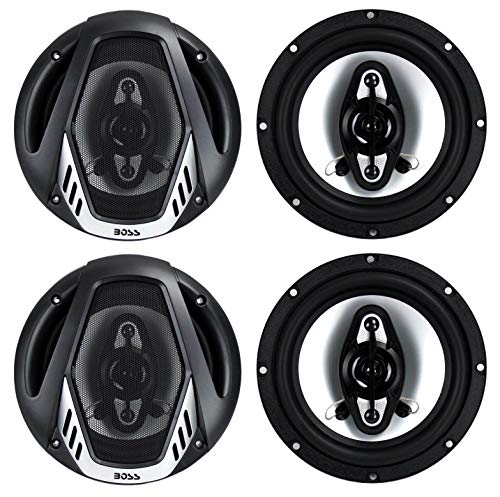
Two pairs in one package changes the math for a full cabin refresh. The 6.5-inch size makes this BOSS set a practical step up for front and rear doors, and the 4-way layout adds extra driver layers for broader coverage across the sound range.
The honest read is that it leans toward lively, all-around use rather than polished audiophile tuning. For someone bringing multiple worn speakers back to life at once, that broad coverage matters more than chasing a delicate, studio-like voice.
Bright Spots
- Two pairs cover more of the cabin in one purchase.
- 6.5-inch drivers suit many mainstream door openings.
- 4-way design spreads sound across more frequencies.
- Mylar dome tweeters help high notes stay present.
Points To Note
- Broad feature lists can sound busier than a simpler 2-way setup.
- System matching still matters, especially in older head units.
- Extra drivers do not replace careful door sealing and mounting.
Details At A Glance
Who Will Love This
Drivers replacing several tired speakers at once, especially in older sedans or hatchbacks, get the most practical value here.
Where A Sibling Pick Shines
KICKER 46CSC54 CS-Series CSC5 fits better for a tighter factory opening where a smaller 5.25-inch frame is easier to place.
These ORION speakers take a very different path from the KICKER and Kenwood picks. They’re built around midrange emphasis, so vocals, guitars, and horn-heavy content can sit forward in the mix, which is useful in a loud custom setup.
The 1.5-inch voice coil is the detail that matters most here, because it supports stronger thermal handling in a design aimed at harder use. You trade away some of the gentle balance you’d expect from an everyday coaxial speaker, but that’s the point for a system built to project.
Highlights
- Midrange focus helps voices cut through road noise.
- 250W RMS gives a clearer sense of sustained power handling.
- 1.5-inch voice coil supports demanding playback conditions.
- 4-ohm load keeps compatibility familiar.
Room For Improvement
- Mid-range bullet design is less suited to relaxed factory-style tuning.
- You’ll usually want a more deliberate install plan than with a simple coaxial swap.
- Not the quiet, balanced choice for everyday commuters.
Core Details
Built With In Mind
You’ll get the most out of this set in custom installs, loud systems, or setups where midrange presence matters more than soft tonal balance.
Look Elsewhere When
Kenwood KFC-1666R suits you better for a calmer daily-driver upgrade that stays closer to a conventional all-purpose sound.
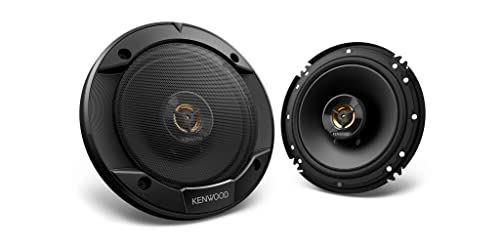
Kenwood keeps this one straightforward, and that works in its favor. The 6.5-inch 2-way layout, cloth woofer, and balanced dome tweeter suggest a speaker built for a middle ground between clear highs and steady midrange, which suits cars that get used for everything from school runs to late-night drives.
The heavy-duty magnet design adds a bit of confidence without making the package feel overcomplicated. You may still notice that it’s not chasing the most dramatic sound signature, yet that restraint is part of why it fits so many dashboards and door panels well.
Upsides
- 2-way design keeps the signal path easy to understand.
- Cloth woofer brings a straightforward, durable feel.
- Balanced dome tweeter helps soften harsh treble.
- 6.5-inch size fits many common replacements.
Areas To Watch
- Sound tuning aims for balance, not flashy character.
- Door resonance can still shape the final result.
- Large sound fans may prefer a bigger 6 x 9 format.
Quick Facts
The Right Fit
You’re in the sweet spot here if you want a general-purpose speaker set for a family car, commuter, or mixed-use vehicle.
Swap It Out When
PIONEER TS-F501M is the better route for you if you want more layered driver design and a slightly more feature-packed sound profile.
Moving to 6 x 9 inches changes the whole job, because you get a much larger surface area than the 5.25-inch KICKER or the 6.5-inch Kenwood. That bigger frame works especially well in rear decks and larger factory locations, where the speaker can spread sound across the cabin more easily.
Pioneer’s 3-way layout aims at balance rather than brute force, with smoother treble and a high-efficiency design meant to work well in OEM power situations. For most sedans and coupes with the right opening, that makes the upgrade feel more complete without demanding a complicated audio overhaul.
Reasons To Buy
- 6 x 9 format moves more air than smaller round speakers.
- 3-way layout divides duties across more driver sections.
- Balanced sound suits everyday music and talk content.
- High-efficiency design helps it pair well with factory power.
Honest Caveats
- Size limits placement to vehicles with the right cutout.
- Bigger drivers can expose weak mounting surfaces.
- Best results still depend on a clean rear-deck or door fit.
Feature Rundown
Perfect Match For
Drivers with rear deck spaces or larger factory openings will get the most from this shape and layout.
Another Choice May Suit
PIONEER F-Series TS-F1035R fits better for tight dash spots where a 4-inch frame is the practical route.
Small speaker openings can be a headache, and this 4-inch Pioneer set is clearly aimed at that problem. The 2-way design keeps things simple, while the balanced sound and smooth treble language point to a setup that aims to refresh a factory system instead of overpower it.
That makes it especially useful in compact cars, older dashboards, or places where depth and width are both tight. You won’t get the scale of the 6 x 9 Pioneer, but you do get a much easier fit for spaces that won’t accept anything larger.
Standout Traits
- 4-inch frame suits compact factory locations.
- 2-way layout keeps the design easy to place.
- High-efficiency intent supports typical OEM power use.
- Good fit for older cars with small dash openings.
Worth Noting
- Small drivers won’t fill a large cabin the way bigger ones can.
- Lower size means less body in the low end.
- Door or dash fit still needs careful measurement before installation.
Spec Overview
Whose Shelf It Belongs On
Drivers with compact cars, classic vehicles, or small dash mounts will benefit most from this size and layout.
Reach For A Different Pick When
Kenwood KFC-1666R is the smarter move for you if your vehicle can take a 6.5-inch speaker and you want a fuller all-purpose upgrade.
This Pioneer set lands in a middle ground between the simpler KICKER and the larger 6 x 9 TS-F6935R. The 5.25-inch round shape keeps it compact enough for many factory locations, while the 4-way layout adds an extra layer of driver separation for more detailed playback.
That detail comes with a small trade-off, because more driver layers can make tuning matter a bit more. Still, for someone who wants a compact speaker that feels a little more ambitious than a plain 2-way, this is an appealing middle step.
Best Bits
- 4-way design adds more layered driver handling.
- 5.25-inch size stays friendly to many stock openings.
- Round shape keeps placement more predictable.
- Good bridge between basic and more specialized setups.
Ongoing Considerations
- Extra driver layers can raise the importance of proper tuning.
- It won’t spread sound as broadly as a 6 x 9 speaker.
- Coordinating it with the rest of the system matters more than the badge alone.
At A Glance
Who Should Grab It
Commuters and casual listeners who want a compact speaker with a little more detail handling than the simplest 2-way choices suit it well.
Skip It When
PIONEER F-Series TS-F1035R is the better move for very tight dash spaces where a 4-inch frame matters more than added driver layers.
How To Choose The Right Auto Audio Speakers
Match Size To The Opening
Speaker size is the first filter, and it matters more than brand loyalty. A 4-inch unit like PIONEER TS-F1035R fits tight dash spaces, while a 6 x 9 like PIONEER TS-F6935R suits larger rear deck openings and usually moves more air. Measure the mounting area, including depth, because a cone that sounds great on paper is useless if it won’t sit flush.
Decide How Much Complexity You Want
A 2-way speaker splits the sound work between the main driver and a tweeter, which keeps the system simple. A 3-way or 4-way design adds more separate driver sections, so you can get more layered detail, but tuning matters more and the sound can feel less immediate in an untuned cabin. For most daily drivers, 2-way or coaxial designs are easier to live with.
Think About Power And Source Matching
Impedance, usually measured in ohms, tells you how the speaker loads the head unit or amplifier. A 4-ohm speaker is common in car audio, which makes the KICKER, Kenwood, Pioneer, ORION, and BOSS options broadly familiar to many systems. Power handling still matters, though, because a larger rating gives more room for louder playback without strain.
Choose For The Way You Drive
A commuter who wants balanced talk radio and mixed playlists has different needs from someone building a loud custom setup. Cleaner factory replacements, like KICKER or Kenwood, suit everyday use, while ORION fits systems built around stronger midrange presence. For long highway trips, comfort and tonal balance usually matter more than sheer volume.
Things Worth Knowing First
Common Shopping Slip Ups
Many people focus on wattage and ignore fit, which leads to a speaker that looks strong but doesn’t match the opening. Another common miss is skipping impedance, then ending up with a mismatch that doesn’t play nicely with the rest of the system. A little measuring up front saves a lot of frustration later.
The Upgrade Payoff
Higher-tier speakers usually cost more because of the driver layout, magnet design, power handling, and better control over how sound is distributed. That extra spend makes the most sense for long drives, louder cabins, or systems where you want cleaner separation and less strain at higher volume. For short commutes in a modest factory system, a simpler set often makes more sense.
Frequently Asked Questions
What size Auto Audio Speakers fit most cars?
It depends on the vehicle, but 4-inch, 5.25-inch, 6.5-inch, and 6 x 9-inch sizes all appear often in car audio. Your exact opening and mounting depth decide the real answer.
Are coaxial speakers easier to install?
Yes, coaxial designs keep more of the sound drivers in one unit, so the install path is usually simpler. That makes them a practical choice for factory replacement work.
Do 4-way speakers always sound better?
No, more ways do not automatically mean better sound. They can add detail, but the rest of the system and the cabin layout still shape the result.
Should you choose larger speakers for more bass?
Larger speakers can move more air, which often helps low-end fullness. Even so, door sealing, mounting depth, and power matching still matter a lot.
Which option suits a basic factory refresh?
KICKER 46CSC54 CS-Series CSC5 and Kenwood KFC-1666R both fit that job well. They stay close to everyday use and avoid unnecessary complexity.