


Car audio upgrades often fail at the wiring stage, not the speakers themselves. The right cable size, conductor material, and length help keep installation tidy and reduce avoidable resistance across the run. That matters in a commuter car, a garage project, or a full system refresh where access is tight and cleanup matters. This shortlist focuses on practical fits, from short 30-foot spools to a 500-foot install roll.
Quick Look At Our Shortlist
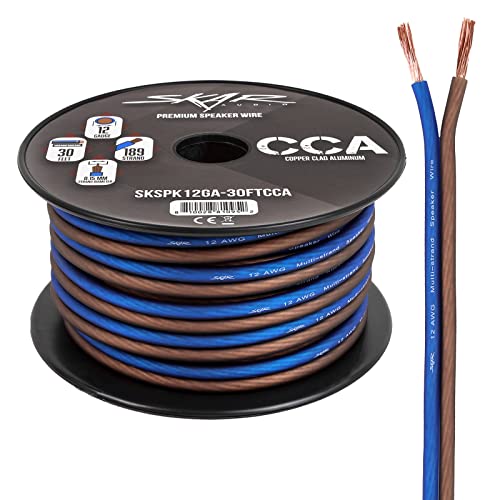
Skar Audio 12 Gauge AWG Speaker Wire 30 Feet

Install Link 16 AWG Speaker Wire 30 Feet

DS18 SW-16GA-100RB Ultra Flex Speaker Wire 100 Ft

Install Link 10 AWG Speaker Wire 50 Feet

Skar Audio 14 Gauge Elite Oxygen-Free Copper Wire 30 Feet

GEARit 14 Gauge Speaker Wire 500FT
More Details On Our Top Picks
A 12-gauge cable suits short, higher-demand speaker runs where extra thickness can help keep resistance down. The blue and brown jacket also makes channel tracing easier behind trim panels, which matters in cramped trunks and under-seat routing.
The trade-off is simple: thicker wire takes a bit more room to route and terminate. For clean, direct installs in a car or compact audio cabinet, this Skar Audio spool fits neatly where a slimmer 16-gauge line can feel undersized.
Strong Points
- 12 AWG sizing supports stout runs.
- Color pairing helps with wire tracing.
- Thirty feet suits many car installs.
- Heavier jacket feel suits tidy routing.
Small Caveats
- Thicker cable can be less nimble in tight corners.
- Best fit comes from careful trimming and labeling.
Feature Snapshot
Who It Suits Best
Car audio installers handling compact to medium runs, especially where a sturdier conductor is preferred, get the most from this spool.
Where A Sibling Pick Shines
Install Link 16 AWG Speaker Wire 30 Feet suits lighter-duty routing and simpler budget builds, especially for small systems with easier cable paths.
This 16-gauge spool sits in the practical middle ground, lighter than Skar Audio’s 12-gauge option but still substantial enough for many car stereo paths. The frosted red and black finish, plus polarity marking, helps keep positive and negative leads straight during a messy dash install.
The copper-clad aluminum build is the trade-off, since it’s chosen for cost control rather than pure copper composition. That makes sense for everyday head units, rear speakers, or home theater loops where flexibility, stripping ease, and simple routing matter more than premium conductor material.
What We Like
- Polarity marking reduces hookup confusion.
- Stranded construction bends easily around trim.
- Thirty-foot length suits common vehicle runs.
- Red and black coloring speeds identification.
Points To Note
- CCA construction trades some conductor purity for value.
- Not the right call for the heaviest-demand systems.
Core Details
Who Should Grab It
DIY installers working on standard car audio or modest home theater layouts benefit most from this wire’s simple handling and visible polarity cues.
Another Choice May Suit
Skar Audio 14 Gauge Elite Oxygen-Free Copper Wire 30 Feet suits shoppers who want a more copper-forward 30-foot option for a mid-size system.
Length is the story here, and 100 feet makes this DS18 spool a practical fit for longer home-to-car projects or multi-speaker layouts. The red and black jacket pairing keeps polarity obvious, while the ultra-flex design speaks to routes that snake behind panels, shelves, or along trim.
Compared with the shorter Install Link and Skar Audio rolls, this one gives far more working room before a second spool enters the picture. The CCA construction keeps it in the budget-minded lane, so it works best where coverage and flexibility matter more than an all-copper build.
Upsides
- One hundred feet covers bigger layouts.
- Ultra-flex profile suits winding routes.
- Color coding helps separate channels.
- Useful for bench work and fixed installs.
Areas To Watch
- Bulk can be awkward to store before use.
- CCA construction keeps it in the value lane.
- Best suited to standard-duty audio needs.
Details At A Glance
Made For
Installers covering longer routes, especially in multi-room audio or larger vehicle builds, will appreciate the extra spool length.
Look Elsewhere When
Install Link 10 AWG Speaker Wire 50 Feet suits heavier routing needs where a thicker conductor is the better match for the layout.
The 10-gauge sizing makes this the thickest run in the group, and that matters on longer paths where reducing resistance is the goal. The purple and black jacket gives it a distinct look, while the polarity-friendly layout helps keep larger installs organized without guesswork.
In a garage build or a larger cabin-style audio project, the extra heft can be worthwhile. The trade-off is easier to spot than it is to ignore, because thicker wire takes more space, and the CCA build keeps this in the practical category rather than the premium copper one.
Best Bits
- 10 AWG thickness suits longer runs.
- Fifty feet gives solid project coverage.
- Distinct color pair aids wire management.
- Stranded construction helps routing around obstacles.
Softer Spots
- Thicker cable needs more routing space.
- Less convenient for very small trim gaps.
Technical Sheet
Right Fit For
Custom installers and hobbyists handling larger runs get the most value from this thicker spool.
Swap It Out When
DS18 SW-16GA-100RB Ultra Flex Speaker Wire 100 Ft works better for longer but lighter-duty layouts that need more total length than thickness.
This Skar Audio spool moves one notch toward a cleaner conductor story than the CCA options in the list. Oxygen-free copper, or OFC, means the conductor uses copper without the oxygen content found in standard copper stock, a detail that often matters most in longer runs or more careful system builds.
The 14-gauge format lands in a comfortable middle zone for car audio and home runs. The blue and white jacket is easy to spot, though the 30-foot length keeps it best suited to compact jobs rather than full-room sprawl.
Highlights
- OFC construction appeals to careful installers.
- 14 AWG fits many mainstream audio paths.
- Thirty feet works well for focused jobs.
- Color contrast helps route identification.
Worth Noting
- Shorter spool can run out in larger projects.
- Best value shows up in smaller, cleaner installs.
Feature Rundown
Best Suited To
Detail-focused installers who want a copper-forward 14-gauge spool for a compact system will find the fit strongest here.
Reach For A Different Pick When
GEARit 14 Gauge Speaker Wire 500FT is the smarter option for large DIY runs that need a marked bulk spool instead of a short cut length.
Bulk spool buyers usually care less about flash and more about clarity, and this GEARit roll is built for exactly that sort of job. Foot markers and polarity marking help track length during long pulls, which can save time in attic-to-room routes, workshop builds, or full vehicle rewires.
Compared with the shorter Skar Audio and Install Link options, this one is a logistics play, not a small-project pick. The black jacket keeps it discreet, and the 500-foot length means a single spool can handle a stack of installations before storage becomes a concern.
Bright Spots
- Five hundred feet suits large projects.
- Foot markers help measure cable use.
- Polarity marking reduces setup confusion.
- Works for repeated installs and repairs.
Minor Gripes
- Bulk storage takes planning in smaller spaces.
- Far more cable than many simple jobs need.
Feature Card
Whose Shelf It Belongs On
DIY installers, shop setups, and anyone wiring several rooms or vehicles at once will benefit most from the long spool format.
Skip It When
DS18 SW-16GA-100RB Ultra Flex Speaker Wire 100 Ft makes more sense for moderate projects that need less bulk and easier storage.
How To Choose The Right Car Speaker Cables
Gauge, Length, And The Shape Of The Run
Gauge means wire thickness, and the lower the number, the thicker the cable. Thicker cable usually suits longer runs or systems that need a sturdier path, while thinner cable often fits short, straightforward routing behind panels or under carpet.
Length matters just as much, because extra slack can create clutter and too little slack can force awkward splices. A 30-foot spool works for many single-vehicle jobs, while 100 feet or 500 feet makes more sense for larger builds, multi-room setups, or repeated installs.
Conductor Material And Why It Changes The Feel
CCA, or copper-clad aluminum, uses an aluminum core with a copper coating. It’s common in value-focused cable because it stays practical for many everyday audio setups, though all-copper or OFC options usually appeal more to detail-minded installs.
That difference shows up most in longer routes or systems where the cable choice is part of a larger upgrade plan. For a quick head unit job, CCA can be enough; for cleaner conductor preference, OFC earns the premium slot.
Polarity Marking And Install Ease
Polarity marking helps keep the positive and negative conductors straight. In a cramped dash or a layered home theater setup, that small detail can save time and reduce mix-ups during termination.
Color coding also matters for ownership, not just installation day. Red, black, blue, brown, or purple pairings create visual separation, which makes later maintenance far easier than dealing with two nearly identical clear jackets.
Things Worth Knowing First
Mistakes Worth Dodging
Many installs go sideways because the cable gauge is chosen for the package size, not the actual run. A short speaker path doesn’t need the same thickness as a longer or more demanding one.
Another common miss is ignoring polarity markings until the final connection. That can slow the job and make troubleshooting harder, especially in a car where access is already awkward.
The Upgrade Payoff
Higher-tier cable usually costs more because the conductor material, jacket feel, and marking details are better suited to careful installs. OFC and heavier gauges often make sense where the project is permanent, the routing is long, or the system deserves cleaner materials.
The upgrade pays off most in builds that will be lived with for years. For basic rear speakers or a quick replacement, a solid CCA spool is often enough; for a full audio refresh, the step up can be worth the extra attention.
Frequently Asked Questions
What gauge works best for car speaker wiring?
There isn’t a single correct gauge for every car. Shorter runs often work well with 16 or 14 gauge, while thicker wire becomes more attractive as the path gets longer.
Is oxygen-free copper always better than CCA?
OFC has the stronger material story, especially for careful or longer installs. CCA still makes sense for many everyday projects where cost control and flexibility matter more.
How much speaker wire is usually needed?
That depends on vehicle size, speaker placement, and whether the route stays direct. Short spools fit simple jobs, while larger installs often need 100 feet or more.
Do polarity markings really matter?
They matter a lot during installation, because they keep conductors organized. Clear polarity also makes later troubleshooting much simpler.
What helps speaker wire stay easy to work with?
Stranded construction and flexible jackets usually make routing easier around trim and corners. Color-coded conductors also help keep the job clean from start to finish.
Closing Thoughts
Car speaker cable choice is mostly about fit, not drama. The thickest spool in this group, the copper-forward Skar Audio option, and the marked GEARit bulk roll each solve different installation problems, while the Install Link and DS18 options stay sensible for common everyday routing. Matching gauge, length, and conductor type to the actual layout keeps the work cleaner and the result easier to live with. For most small to mid-size audio jobs, that practical approach is the right place to start.