

Car audio upgrades usually solve one of two problems, thin factory sound or cramped installation space. This roundup focuses on subwoofers and stereos that fit daily driving, commutes, weekend road trips, and tighter cabins without leaning on oversized hardware. The mix includes shallow-mount subs, powered under-seat units, and two head units for anyone rebuilding the front end of the system.
The emphasis stays on fit, input options, enclosure style, and how each piece changes the in-car setup. Some picks favor simple add-on bass, while others suit a full dash refresh. That split matters because the right choice depends on vehicle space, factory radio compatibility, and how much wiring complexity feels acceptable.
Quick Look At Our Shortlist
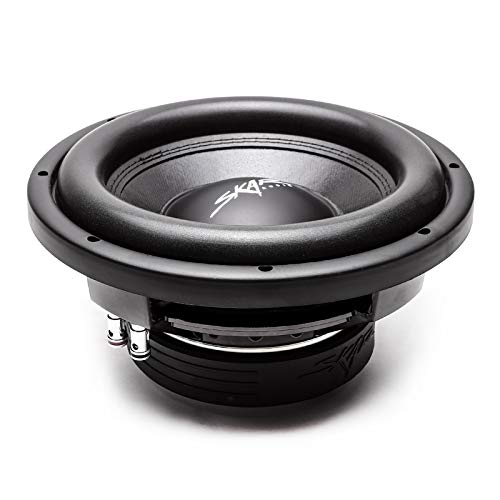
Skar Audio VD-10 D4 10" Shallow Mount Car Subwoofer

BOSS Audio Systems P80DVC Dual 4 Ohm 8" Car Subwoofer

Seventour 10" Under-Seat Car Subwoofer and Amp Package

Pioneer MVH-S110BT 1-Din Digital Media Car Stereo

Kissound Double Din Car Stereo with 7" HD Touchscreen

Pioneer TS-WX010A Compact Under-Seat Powered Subwoofer

FOLTUSYMY 1200W 10" Slim Under Seat Powered Car Subwoofer
More Details On Our Top Picks
Shallow-mount design makes this Skar Audio option relevant for compact trunks, spare-tire wells, and builds that can’t spare much depth. The dual 4-ohm setup supports flexible wiring layouts, which matters in custom installs where amplifier matching is part of the plan.
The honest read is that this style fits trim, space-conscious systems better than big sealed-box setups. Commuters who want added low end without turning the cargo area into a storage sacrifice tend to get the most from that approach.
Strong Points
- Shallow profile suits tighter enclosures.
- Dual 4-ohm voice coils allow wiring flexibility.
- Ten-inch size keeps bass focused without a bulky footprint.
- Works well for trunk builds where depth is limited.
Points To Note
- Needs the right enclosure and amplifier match to reach its potential.
- Shallow designs usually trade some cone volume for space savings.
- Install planning matters more than with a simple powered unit.
Feature Snapshot
Who It Suits Best
Vehicle owners planning a custom bass setup in a compact enclosure will get the clearest fit from this model.
Where A Sibling Pick Shines
Pioneer TS-WX010A Compact Under-Seat Powered Subwoofer suits drivers who want a simpler all-in-one install rather than matching a separate amp and box.
This BOSS Audio Systems subwoofer keeps the format straightforward, an 8-inch cone with dual 4-ohm voice coils for flexible system matching. That smaller diameter usually suits drivers who want bass support without committing to a large enclosure, especially in hatchbacks and modest sedan trunks.
Compared with the Skar shallow-mount unit, this one gives up a little depth-saving convenience but stays easier to place in more conventional boxes. It also fits well beside a factory head unit upgrade, where the goal is cleaner low end rather than a full system rebuild.
Upsides
- Eight-inch size is easier to place in smaller enclosures.
- Dual 4-ohm coils support common wiring layouts.
- Good match for modest bass upgrades in daily drivers.
- Simple format lowers install complexity versus larger custom builds.
Small Caveats
- Smaller cone area means less cabin-filling output than larger options.
- Still needs the right box and amplifier pairing.
- Owners setting up a bigger sound stage may want a larger driver.
Core Details
Made For
City drivers and compact-car setups benefit from the smaller footprint and simpler placement.
Swap It Out When
Skar Audio VD-10 D4 10" Shallow Mount Car Subwoofer makes more sense for installations where depth is the limiting factor instead of enclosure size.
Under-seat packages like this one appeal to owners who want bass support without a separate amplifier hunt. The built-in amp and slim enclosure make it a direct route for trucks and cars with limited cargo or trunk space.
Blue LED lighting gives the unit a more styled look, though the larger ownership story is convenience. That makes it a sensible choice for daily drivers that need a tidy install more than a highly customized audio chain.
What We Like
- Built-in amplifier reduces component matching work.
- Slim housing fits under many seats more naturally than boxed subs.
- Installation wire kit is included for a more complete package.
- Good route for quick bass improvement in work vehicles.
- LED accent adds a little visual distinction.
Room For Improvement
- All-in-one units usually offer less tuning freedom than separate components.
- Under-seat placement can leave less room for airflow and cable routing.
- Lighting may be irrelevant for drivers who prefer a plain cabin.
Technical Sheet
The Right Fit
Truck and SUV owners who want an easier bass package with fewer separate parts will get the most from this setup.
Another Choice May Suit
Pioneer TS-WX010A Compact Under-Seat Powered Subwoofer fits better for installations that need a more compact branded unit with a simpler footprint.
A single-DIN digital media receiver like this keeps the dashboard clean and leaves the focus on streaming, USB playback, and basic radio use. The 50 watts by 4 output figure matters because it gives each speaker channel its own amp section, which helps everyday systems sound more controlled.
That format suits older vehicles and anyone replacing a worn factory deck without moving to a larger touchscreen unit. The trade-off is clear, there’s no built-in disc drive, so this is for modern media habits rather than older playback formats.
Positives
- Single-DIN size fits many older dash openings.
- Bluetooth support reduces cable clutter for daily use.
- USB input helps with phone charging and media access.
- Front and subwoofer RCA outputs help system expansion.
- Works well as a clean head-unit refresh for factory systems.
Areas To Watch
- No touchscreen, so the interface stays more traditional.
- Digital-media format suits streaming and files, not disc playback.
- Older cars may still need dash-kit or wiring support during install.
Details At A Glance
Best Suited To
Drivers updating an older vehicle or building a simple media-first system will find the format especially sensible.
Look Elsewhere When
Kissound Double Din Car Stereo with 7" HD Touchscreen fits better for those who want a larger display and wireless phone integration.
This Kissound unit is built for drivers who want a dashboard centerpiece instead of a plain radio swap. The 7-inch HD touchscreen, wireless Apple CarPlay, Android Auto, Bluetooth, steering-wheel control support, and subwoofer output all point toward a modern control hub.
The trade-off is installation complexity, since double-DIN swaps often need more dash planning than a basic single-DIN unit like the Pioneer MVH-S110BT. Still, for families and commuters who use phone-based navigation every day, the convenience stack is easy to understand.
Reasons To Buy
- Large touchscreen keeps core controls visible at a glance.
- Wireless phone integration cuts down on cord handling.
- Subwoofer output suits fuller system builds.
- Steering-wheel control support helps preserve familiar driving habits.
- Backup camera support adds practical value during a dash replacement.
Honest Caveats
- Double-DIN installation can be more involved than a single-slot swap.
- Touchscreens depend on menu design, so setup time matters.
- Some vehicles will need extra dash parts for a clean fit.
Core Details
Built With In Mind
Drivers replacing an aging factory screen-less radio with a modern interface will get the clearest value here.
Skip It When
Pioneer MVH-S110BT 1-Din Digital Media Car Stereo is the better fit for dashboards that only accept a single-slot opening.
Pioneer keeps this model compact enough for tucked-away installs, which is useful in sedans, small crossovers, and work vehicles with little spare space. The built-in amp makes it more approachable than a separate sub-and-amp combination, and the high-level input helps it work with many factory and aftermarket radios.
That versatility is the main draw, especially for drivers who want a low-profile bass upgrade without a major teardown. The 160W max figure is modest next to larger systems, so this leans toward controlled reinforcement rather than heavy output.
Bright Spots
- Very compact format suits under-seat placement.
- Built-in amplifier simplifies the parts list.
- High-level input broadens radio compatibility.
- Useful for adding bass without taking cargo space.
Soft Spots
- Lower output ceiling than larger dedicated subs.
- Best results depend on seat clearance and install planning.
- Drivers seeking a dramatic bass jump may want a larger enclosure.
Feature Rundown
Whose Shelf It Belongs On
Minimalist system builders and daily drivers with limited room will appreciate the tidy footprint.
Reach For A Different Pick When
Seventour 10" Under-Seat Car Subwoofer and Amp Package makes more sense for shoppers who want a larger bundled setup with more visible installation hardware.
FOLTUSYMY takes a middle-ground route with a slim powered enclosure, built-in amplifier, and both high and low level input support. That combination matters in mixed installs, because it gives more freedom whether the signal comes from a factory head unit or a more modern aftermarket deck.
The blue LED light is cosmetic, but the functional side is the real story here. For trucks and family cars where under-seat space is precious, the slim shape and self-contained design keep the install tidy without forcing a full trunk layout.
Best Bits
- High and low level inputs support more source types.
- Slim housing works in tighter under-seat spaces.
- Built-in amplifier keeps the system more contained.
- Ten-inch size gives it a fuller format than very small under-seat units.
- Blue LED accent gives the enclosure some visual character.
Softer Spots
- Powered all-in-one designs usually offer less tuning freedom.
- LED styling may not matter in a discreet cabin.
- Under-seat fit still depends on vehicle clearance.
Spec Overview
Who Should Grab It
Drivers who want a space-aware powered sub with broader input support will find the format easy to live with.
Where Shoppers Go Wrong
Pioneer TS-WX010A Compact Under-Seat Powered Subwoofer is the cleaner fit for ultra-small installs where maximum compactness matters more than extra output headroom.
How To Choose The Right Car Stereo And Subwoofers
Match The Hardware To The Cabin
Cabin size and install space should steer the first decision. A shallow 10-inch driver, an 8-inch sub, or an under-seat powered unit all solve different packaging problems, and the wrong enclosure can turn a promising setup into a cramped one. Daily commuters in sedans usually want a cleaner footprint than truck owners with more room behind the seats.
Voice coil impedance matters too, especially with passive subs like the Skar Audio VD-10 D4 and BOSS Audio Systems P80DVC. Dual 4-ohm coils give more wiring paths, which helps when pairing with a specific amplifier. The trade-off is extra planning, so simple powered units suit casual installs better.
Decide How Much Integration You Want
Head units set the tone for the whole system. A single-DIN media receiver like the Pioneer MVH-S110BT keeps things straightforward, while a double-DIN touchscreen such as the Kissound unit adds phone mirroring, steering-wheel support, and a larger interface. That extra convenience usually comes with more dash work and more parts for a clean fit.
Subwoofer output is worth checking on the stereo side, because a dedicated bass output makes later expansion easier. For owners who plan to build gradually, that feature often matters more than flashy screen size. For older vehicles, the simplest path is usually the one that matches the factory opening with the fewest trim changes.
Think About Power And Placement
Powered subs reduce the parts list because the amplifier is already inside the enclosure. That makes options like the Pioneer TS-WX010A and FOLTUSYMY slim unit attractive in tight cabins, though the output ceiling is naturally lower than larger passive systems. The compromise is straightforward, less clutter usually means less ceiling for brute-force bass.
Placement also affects day-to-day ownership. Under-seat units preserve cargo room and stay visually quiet, while trunk-mounted subs can move more air and usually give more installation flexibility. That decision becomes clearer in vehicles used for groceries, tools, or family gear, where cargo space matters as much as sound.
A Quick Reality Check Before You Shop
Mistakes Worth Dodging
Shoppers often focus on wattage alone and ignore enclosure type, impedance, and space. That usually leads to a mismatch between the hardware and the vehicle, especially in compact sedans or trucks with low seat clearance.
Another common miss is pairing a capable sub with a weak head unit. A stereo that offers front and subwoofer RCA outputs gives a cleaner upgrade path, while a mismatched install can feel unfinished.
Where The Extra Money Goes
Higher-tier models usually pay for integration, not just output. Touchscreens, wireless phone support, built-in amps, and more flexible inputs all raise the cost because they reduce the number of separate parts needed.
That upgrade makes the most sense in vehicles that serve as daily transport, not weekend toys. The real gain is convenience and cleaner packaging, which can feel worth it after the wiring is done.
Frequently Asked Questions
Is A Powered Sub Easier To Install Than A Passive Sub?
Yes, powered subs usually reduce the parts list because the amplifier sits inside the enclosure. That makes them attractive for compact vehicles and straightforward upgrades.
What Does Dual 4-Ohm Mean?
Dual 4-ohm means the sub has two voice coils, each with 4-ohm impedance. That arrangement gives more wiring flexibility during system setup.
Does A Single-DIN Stereo Still Make Sense In 2026?
Yes, especially in older cars and simple dash openings. A single-DIN media receiver keeps the install compact and the interface uncluttered.
Why Choose A Shallow-Mount Subwoofer?
Shallow-mount subs fit where depth is limited, such as compact trunks and tighter enclosures. The trade-off is usually less cone depth than a larger traditional setup.
Do All These Options Work With Factory Radios?
No, compatibility depends on the input type and the product design. Models with high-level input are usually easier to integrate with factory systems.
Final Thoughts
The right car audio upgrade depends less on raw output and more on fit, wiring, and how much cabin space can be spared. Shallow subs suit compact builds, under-seat powered models suit tidy installs, and the two stereos here cover both basic replacement and a more connected touchscreen setup. Matching the hardware to the vehicle usually matters more than chasing the loudest spec on the page. A good installation feels invisible until the music starts.