

Car Stereo Systems shape the part of driving that gets heard every day, from call handling on a commute to navigation prompts on a long highway run. The right unit also has to fit the dash opening, match the wiring plan, and keep controls simple enough for quick use in traffic. This roundup focuses on practical layouts, screen types, and source features that matter in real cabins, not showroom language.
The Shortlist At A Glance

Pioneer MVH-S230BT 1-Din Car Stereo with Bluetooth

Pioneer DMH-130BT 6.8″ Capacitive Touchscreen Double Din Car Stereo

Pioneer MVH-S110BT 1-Din Digital Media Car Stereo with Bluetooth

Double Din Car Stereo with 7″ HD Touchscreen
10.1″ QLED Double Din Car Stereo with Wireless Carplay & Android Auto

Pioneer DMH-1600NEX 6.8″ Capacitive Touchscreen Double Din Car Stereo

7inch Car Stereo Double Din Radio Touchscreen with Backup Camera
More Details On Our Top Picks
Single-DIN fit keeps this Pioneer straightforward in older cars and compact dashboards. The front USB port and Bluetooth support cover the everyday mix of streaming, charging, and hands-free calls without turning the dash into a project.
Compared with the touchscreen models below, this one stays cleaner and simpler, which helps in vehicles that already have a tight center stack. The honest trade-off is obvious: no large display, so it suits drivers who value direct controls over visual extras.
Strong Points
- Single-DIN size works well in many factory openings and retrofit jobs.
- Bluetooth keeps calls and music handling less fussy on daily drives.
- USB support gives a direct path for phones and thumb drives.
- 50W x 4 output is enough for a basic four-speaker setup.
- Selectable RCA output helps with simple system expansion.
Points To Note
- It stays screen-free, so navigation and album browsing remain limited.
- Owners of modern phones may prefer a unit with CarPlay or Android Auto.
- Single-DIN brackets and harness fit can still vary by vehicle.
Feature Rundown
Who It Suits Best
Commuters with older vehicles or drivers replacing a basic factory radio will get the most from this layout.
Where A Sibling Pick Shines
Pioneer DMH-130BT suits drivers who want a touchscreen and backup camera support instead of a simpler faceplate.
A 6.8-inch capacitive touchscreen changes the daily feel of the dash, especially in vehicles that benefit from larger icons and simpler menus. Short chassis construction matters here too, since it can ease fitment in tighter dash cavities where depth becomes a problem.
Compared with the MVH-S230BT, this Pioneer is built for more visual control and better camera integration. The trade-off is installation complexity, and that usually makes it a stronger match for a planned dash refresh than for a quick radio swap.
What We Like
- Capacitive touch input usually feels more responsive than basic resistive screens.
- Backup camera support suits parking in crowded lots or narrow garages.
- Short chassis design helps in vehicles with shallow dash depth.
- Steering wheel input keeps common controls closer to factory behavior.
- FLAC support is useful for drivers with higher-quality local music files.
Room For Improvement
- Double-DIN fit still depends on the vehicle’s dash kit and wiring plan.
- The camera feature adds parts and installation steps, which some setups will not need.
- Touchscreen surfaces usually ask for regular wipe-downs to stay clear.
Details At A Glance
Built With In Mind
Drivers planning a tidy double-DIN upgrade with camera support and steering-wheel control retention fit this unit well.
A Better Fit Elsewhere
Pioneer DMH-1600NEX suits drivers who want wired CarPlay and Android Auto as a more phone-centered setup.
This Pioneer keeps the formula tight: Bluetooth, USB, AM/FM, and a straightforward 1-DIN face for vehicles that do not need a display-heavy center stack. For many older sedans, work trucks, and compact cars, that restraint is exactly the point.
It looks close to the MVH-S230BT on paper, though the feature set is a touch leaner. The practical upside is a simpler ownership experience, while the obvious compromise is the same screen-free layout that rules out visual app control.
Upsides
- Bluetooth handles calling and audio streaming with little setup overhead.
- USB input makes local music and wired playback easy to manage.
- AM/FM radio keeps regular broadcast listening available.
- 50W x 4 output supports everyday speaker replacement jobs.
Softer Spots
- No touchscreen means less visual browsing and fewer app-style controls.
- Owners wanting smartphone projection will need to look higher in the lineup.
- Basic faceplates can feel modest in newer interiors with large screens.
Core Details
Right Fit For
Shoppers replacing a plain factory unit in an older car will appreciate the clean control set and low learning curve.
Another Choice May Suit
Leadfan’s 7inch Car Stereo Double Din Radio Touchscreen fits drivers who want a screen and backup camera support in the same package.
Wireless Apple CarPlay and Android Auto give this Kissound a familiar phone-first feel, which matters on long commutes and frequent errand runs. The 7-inch HD touchscreen adds more room for maps and playlists, while the 240W output and subwoofer output point toward a more ambitious audio setup.
Compared with the Pioneer units, this one leans harder into modern phone integration and a larger visual interface. The trade-off is that a fuller feature set usually brings more setup work, especially in cars where the dash kit and camera wiring need attention.
Best Bits
- Wireless CarPlay and Android Auto reduce cable clutter in the cabin.
- 7-inch HD screen gives navigation and media menus more space.
- SWC support helps keep common controls within reach on the wheel.
- Subwoofer output suits drivers planning a stronger bass section.
- Mirror Link adds another path for supported phone display use.
Areas To Watch
- Feature depth can add installation steps in a first-time dash swap.
- Touch controls and screens usually need regular cleaning to stay legible.
- Owners with simpler audio goals may find some functions more than they need.
Spec Overview
The Right Fit
Drivers who want a larger screen, wireless phone pairing, and room for a bass-oriented build will get the most from this unit.
Swap It Out When
Pioneer DMH-130BT suits a more conservative dash upgrade where short chassis fit and a simpler interface matter more.
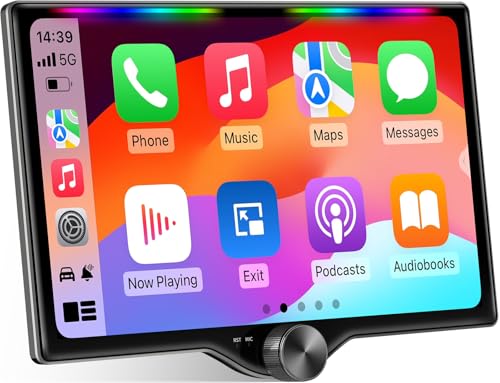
The 10.1-inch QLED screen is the visual anchor here, and that larger panel makes sense in vehicles with a wide dash opening. QLED, or quantum-dot LED display tech, is used to push brighter color handling, so maps and album art have more presence than they do on smaller decks.
Wireless smartphone support, dual subwoofer output, and the music-sync luminous bar point toward a cabin that feels built around display and sound. The honest read is that this makes the most sense in a vehicle where the dash can comfortably carry a larger unit without looking crowded.
Highlights
- 10.1-inch display gives interface elements far more room.
- QLED panel technology should suit brighter, more vivid visuals.
- Wireless CarPlay and Android Auto limit cable clutter.
- Dual subwoofer output fits more involved bass setups.
- Music-sync lighting adds a visible accent in the cabin.
Honest Caveats
- The large face is a stronger match for trucks and SUVs than tiny dashboards.
- More visual hardware usually means a more involved install.
- Lighting and screen surfaces need occasional cleaning to stay neat.
Feature Card
Whose Shelf It Belongs On
Drivers who want a big-screen cabin center and have space to support it will be the clearest match here.
Look Elsewhere When
Pioneer MVH-S230BT is the cleaner choice for compact dashboards where a simpler 1-DIN layout works better.
Wired CarPlay and Android Auto make this Pioneer a strong fit for drivers who want a direct phone connection rather than a wireless routine. The 6.8-inch capacitive screen keeps the interface familiar, and the front, rear, and sub RCA preouts open the door to more serious speaker planning.
That combination sits between the simpler MVH-S230BT and the more visual Kissound models. The trade-off is cable dependence for phone projection, yet many daily drivers still prefer that stable connection for long commutes and repeat use.
Reasons To Buy
- Wired CarPlay and Android Auto provide direct phone integration.
- Capacitive touchscreen supports a more modern control feel.
- Front, rear, and sub preouts help with system expansion.
- Backup camera compatibility supports safer parking routines.
- USB and Bluetooth cover the most common media paths.
Worth Noting
- Wired phone integration keeps a cable in the routine.
- The short, mid-sized screen is less dramatic than the 10.1-inch Kissound display.
- More output paths can make installation planning a bit more involved.
Technical Sheet
Perfect Match For
Drivers who want a controlled, wired smartphone setup with room for future audio upgrades are the clearest fit.
A Better Fit Elsewhere
Kissound’s Double Din Car Stereo with 7″ HD Touchscreen suits anyone prioritizing wireless phone use over a cable-based routine.
Leadfan’s 7-inch touchscreen covers the broad middle ground well, especially for cars that need a modern face without the scale of a 10.1-inch deck. Bluetooth caller ID, mirror link support, auxiliary input, and USB playback make it a flexible swap for daily use.
It sits closer to the Kissound and Pioneer touchscreen units than to the slim single-DIN radios. The trade-off is that the broader feature list can feel busy in vehicles where only basic music and calls are needed, though that same flexibility helps in mixed-use family cars.
Positives
- 7-inch touchscreen gives a familiar middle-size interface.
- Backup camera support helps with tighter parking spots.
- Bluetooth caller ID makes incoming calls easier to identify.
- USB, AUX, and media format support broaden playback options.
Small Caveats
- The interface may feel busier than a simple radio face.
- Mirror link support depends on the phone and app setup.
- Touchscreens need occasional cleaning to stay readable in sunlight.
Feature Snapshot
Made For
Drivers replacing a basic infotainment unit with a versatile, screen-based setup will find this a sensible middle-ground choice.
Another Choice May Suit
Pioneer MVH-S110BT is the cleaner option for older cars that need a compact, screen-free upgrade.
How To Choose The Right Car Stereo Systems
Dash Fit Comes First
Car Stereo Systems begin with physical fit, not feature lists. Single-DIN units such as the Pioneer MVH-S230BT and MVH-S110BT suit older cars and compact dashes, while double-DIN units like the Pioneer DMH-130BT or Kissound 7-inch models need more opening space and usually more trim work.
Dash depth matters too, especially in vehicles with shallow cavities behind the panel. Short chassis designs help reduce crowding behind the dash, and that can simplify the install in cars where cable bundles already leave little room.
Screen Size And Phone Use
Touchscreen decks make sense for drivers who rely on maps, call lists, and media menus during the day. A 6.8-inch display keeps the interface compact, while the 10.1-inch QLED panel on the Kissound model gives more room for a wider layout and larger icons.
Phone integration is the other major split. Wired CarPlay and Android Auto suit drivers who prefer a direct connection, while wireless versions reduce cable handling and feel smoother in short errands or frequent stop-and-go use.
Audio Paths And Expansion
Output options decide how far the system can grow later. RCA preouts, including front, rear, and sub connections, matter for amplified builds because they help send clean signal paths to external gear.
Drivers staying with factory speakers can focus on simpler layouts and basic 50W x 4 output. That route keeps things practical, while bass-heavy plans usually call for subwoofer outputs and a little more wiring patience.
Controls, Calls, And Daily Ease
Bluetooth is now the everyday baseline, because it covers hands-free calls and streaming with little friction. Steering wheel input support preserves factory-style controls, which keeps volume and track changes within easy reach.
Touchscreen surfaces demand a bit more upkeep than button-based radios, especially in dusty cabins or sunny dashboards. A clean face and clear labeling matter more than flashy graphics once the car is in motion.
What To Weigh Before You Buy
Mistakes Worth Dodging
Shoppers often start with screen size and forget the dash opening, which leads to fitment headaches. Matching the unit to the vehicle’s DIN size, depth, and trim kit saves more frustration than chasing extra features.
Another common miss is overlooking phone compatibility. CarPlay, Android Auto, Bluetooth, and mirror link all solve different problems, so the connected features on the spec sheet need to match the way the car is used every day.
The Upgrade Payoff
Higher-tier units usually cost more because the screen is larger, the interface is more capable, and the signal options are broader. A deck with wireless phone integration, camera support, or multiple preouts takes on more roles than a plain media receiver.
That extra spend makes the most sense in family vehicles, long commute cars, or any build where the stereo is part of a wider audio plan. For a short daily drive and a simple speaker refresh, a basic 1-DIN Pioneer can be the cleaner choice.
Frequently Asked Questions
What size stereo fits most older cars?
Single-DIN radios usually fit many older vehicles and compact dash openings. Double-DIN units need a taller opening and often a matching dash kit.
Is wireless phone integration worth it?
Wireless CarPlay and Android Auto cut down on cable use, which suits frequent short trips. Wired versions still make sense for drivers who want a steady connection and do not mind plugging in.
Do touchscreen units need extra care?
Touchscreens benefit from regular cleaning because dust and fingerprints can build up quickly. Sunlight glare can also make screen placement matter more than it does on button-based radios.
What does RCA preout support do?
RCA preouts send signal to external amplifiers or subwoofer gear. That matters most for drivers planning an upgraded audio path later.
Which option works best for a simple install?
A basic 1-DIN Pioneer like the MVH-S110BT or MVH-S230BT usually keeps the install simpler. Those units avoid the extra wiring and fitment work that comes with larger touchscreen decks.
Closing Thoughts
The strongest Car Stereo Systems match the vehicle first, then the driver’s habits, then the audio plan. A compact Pioneer makes sense for an older car that just needs Bluetooth and USB, while a larger Kissound or Leadfan deck suits dashboards built around screens. For drivers who want a cleaner upgrade path, the Pioneer DMH-1600NEX sits in a very practical middle ground. The best result usually comes from choosing the layout that fits the dash without forcing the rest of the cabin to adapt.