


Cheap Car Amplifiers solve a familiar problem, flat factory sound that runs out of breath once road noise enters the cabin. The right unit adds cleaner headroom, better channel control, and enough flexibility for coaxial speakers, subwoofers, or a modest full-range setup. This roundup focuses on practical fits for commuters, weekend road-trippers, and DIY installs that need value without pointless excess.
The Shortlist At A Glance

BOSS Audio Systems CE102 2 Channel Car Amplifier

Pyle 2 Channel Car Stereo Amplifier PLA2378
Yaeccc 4 Channel Car Amplifier 3200W
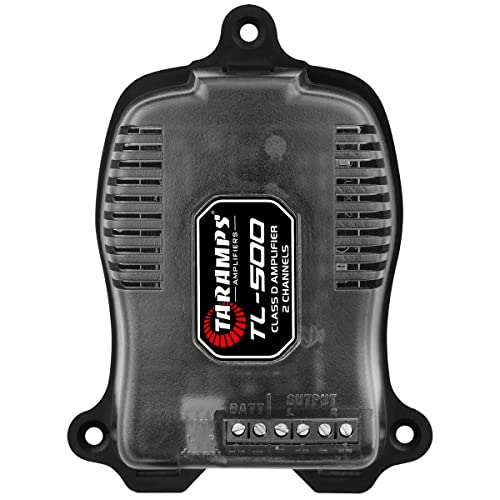
Taramp’s TL 500 Amplifier

Crunch Ground Pounder GP-1500.2
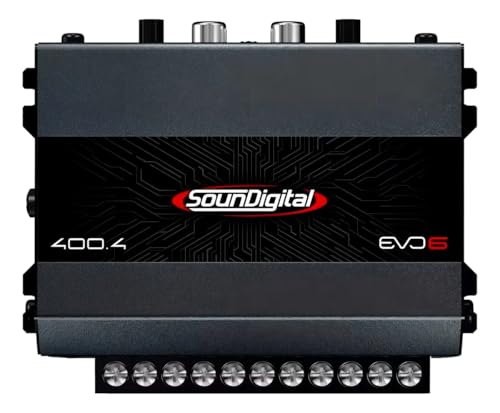
SounDigital Amplifier 400W 4 Channels
Orion Cobalt 2 Channel Amplifier
More Details On Our Top Picks
Factory speakers often need more control than raw volume, and that is where the CE102 makes sense. The high-pass and low-pass crossover controls help split frequencies so a basic front stage or compact sub setup can sound less strained in daily driving.
The trade-off is straightforward, this kind of compact two-channel amp suits modest systems more than large builds. For commuters who want a cleaner signal path without a complicated rack, it sits in a sensible middle ground.
Strong Points
- High-pass and low-pass filtering supports more precise speaker matching.
- Two channels keep wiring simpler in a small install.
- Well suited to replacing weak factory amplification.
- Compact layout helps in cramped trunk or under-seat spaces.
Things To Consider
- Two-channel design limits system expansion.
- Professional installation is advised by the product guidance, so first-time installers may need help.
- Best suited to simpler audio goals rather than full-system builds.
Feature Snapshot
Who It Suits Best
Daily drivers with a modest speaker upgrade need a simple, controllable amplifier that does not complicate the dash or trunk.
Where A Sibling Pick Shines
Taramp’s TL 500 Amplifier fits tighter builds better, since its smaller footprint and Class D format suit limited mounting space.
Pyle’s PLA2378 leans into flexibility, with bridgeable dual channels and onboard controls that make sense for a basic cabin upgrade. In a small hatchback or sedan, that can simplify a system that needs more punch without moving to a larger multi-amp layout.
The silver-plated RCA input and output points add a tidy signal path, while MOSFET power handling usually appeals to shoppers who want a familiar, no-frills platform. The honest read is that this is more about adaptable setup than elegant minimalism.
What We Like
- Bridgeable design gives more routing options.
- MOSFET power section supports a common car-audio setup style.
- Bass boost control helps shape low-end emphasis.
- Silver-plated RCA connections suit clean signal routing.
Worth Noting
- Feature set can feel busy in a first-time install.
- Bridgeable operation needs careful planning to avoid mismatch with speakers.
- Bigger feature list also means more knobs to set during installation and later adjustment.
Details At A Glance
Made For
Budget-conscious installers who want tuning flexibility for a two-speaker or simple sub setup will get the most from it.
Look Elsewhere When
BOSS Audio Systems CE102 suits easier first-time tuning, since its crossover-focused layout is less busy than the PLA2378.
This Yaeccc amp is the broadest utility play in the group, thanks to its four-channel layout and full-range orientation. That makes it a logical fit for sedan owners building front and rear speaker control from one chassis.
Compared with the two-channel picks above, it offers more room for a whole-cabin approach, though that also raises the need for cleaner planning on wiring and gain staging. In a busy install, that extra flexibility can be useful, but it is not the least demanding option.
Upsides
- Four channels support more complete cabin coverage.
- Full-range design suits mixed speaker duties.
- Single-amp layout can simplify parts selection for multi-speaker builds.
- Useful for owners who want one amplifier to handle several zones.
Areas To Watch
- Broader capability usually means more planning during installation.
- Large-output claims deserve careful system matching, especially with compact speakers.
- Best results depend on good gain setup and tidy routing.
Core Details
Best Suited To
Drivers planning a whole-cabin speaker refresh will benefit most from the four-channel layout and broader routing options.
A Better Fit Elsewhere
Crunch Ground Pounder GP-1500.2 works better for sub-focused installs, since it stays centered on two-channel power rather than whole-cabin coverage.
Taramp’s TL 500 is the smallest-feeling option in the set, and that matters in under-seat installs or tight hatchbacks. Its Class D design, meaning a compact high-efficiency amplifier topology, suits setups where space matters as much as output.
The A.R.T system and automatic activation are practical touches for daily use, especially in a car that sees frequent stop-start trips. The trade-off is clear, it’s built for focused stereo duty, not sprawling system ambitions.
Bright Spots
- Compact body fits restrained mounting locations.
- Class D design generally suits efficient everyday car use.
- Automatic activation can simplify turn-on behavior.
- 8 to 16 VDC support broadens electrical compatibility within that range.
Softer Spots
- Two channels keep it aimed at smaller audio plans.
- Low-profile amps can still require careful heat-aware placement.
- People chasing a full multi-speaker stack will outgrow it quickly.
At A Glance
The Right Fit
Space-limited installs with modest speaker goals are the sweet spot for this Taramp’s model.
Swap It Out When
Yaeccc Car Amplifier 4 Channel 3200W makes more sense for shoppers who need broader cabin coverage and more channels.
Crunch gives this two-channel amp a more forceful personality, which makes sense for subwoofer duty or a stronger rear-stage setup. In a trunk that needs more authority than finesse, the GP-1500.2 looks like a practical middle step.
Compared with the lighter Taramp’s TL 500, it aims higher on output and is better suited to systems that ask for more reserve. The catch is that more output also means a stronger need for sane enclosure, wiring, and electrical planning.
Best Bits
- Two-channel structure keeps the install manageable.
- Strong output focus suits sub and speaker duty.
- Clear fit for owners who want more authority than a basic starter amp.
- Works well as a step-up unit in a simple system path.
Room For Improvement
- Less flexible than four-channel alternatives.
- Higher-output setups can demand more attention to mounting and cabling.
- Not the quietest path for tiny, minimal installs.
Key Specs
Whose Shelf It Belongs On
Shoppers building a stronger two-speaker or sub-focused system will find the GP-1500.2 a sensible fit.
Where Another Pick Suits Better
SounDigital Amplifier 400W 4 Channels suits users who need four-speaker coverage instead of a stronger two-channel layout.
SounDigital takes a restrained route with four channels, and that restraint can be useful in a tidy cabin build. For owners balancing front and rear speakers without a large footprint, the layout reads as sensible rather than flashy.
Unlike the louder-leaning Crunch option, this one appears better aligned with controlled multi-speaker duty. The main trade-off is that the source data stays light, so this slot is about channel count and brand fit more than a long feature sheet.
Positives
- Four channels suit balanced cabin wiring.
- Good fit for clean front and rear speaker control.
- Simple profile can appeal to installers who want a straightforward amp choice.
Small Caveats
- Limited published detail leaves less to compare on paper.
- More complex systems may need a model with clearer tuning features.
Technical Sheet
Built With In Mind
Drivers who want a tidy four-speaker setup without a bulky amplifier will find the SounDigital a sensible match.
Another Choice May Suit
BOSS Audio Systems CE102 fits better for people who want crossover controls front and center for a simpler speaker upgrade.
Orion’s Cobalt line leans harder into subwoofer work than the other two-channel picks here. The Class A/B design, meaning a classic analog output stage that prioritizes strong control, gives it a different character from the more compact Taramp’s Class D unit.
The adjustable low-pass and high-pass settings make sense for owners tuning a bass-forward setup in a larger cabin. That extra control is useful, though the amp still asks for proper matching with the rest of the system so the stronger output does not get wasted.
Reasons To Buy
- 750 watts RMS gives the model a clear power identity.
- 2-ohm stability broadens matching options for common sub layouts.
- Bass boost and MOSFET power design suit low-end focused installs.
- Adjustable filters help shape the handoff to a subwoofer.
Minor Gripes
- Subwoofer focus makes it less universal than a four-channel alternative.
- Larger output potential can make installation choices more consequential.
- Owners with simple speaker-only goals may not use all of its control set.
Feature Rundown
Perfect Match For
Subwoofer-focused builds and drivers who want stronger low-end control will get the most from the Orion Cobalt.
Reach For A Different Pick When
SounDigital Amplifier 400W 4 Channels suits cleaner multi-speaker cabin coverage better than this bass-leaning two-channel setup.
How To Choose The Right Cheap Car Amplifiers
Channel Count And System Shape
Channel count sets the shape of the install before wattage even enters the picture. Two-channel amps suit front-stage upgrades or a single sub path, while four-channel models make more sense for owners wiring front and rear speakers from one unit.
The honest trade-off is control versus simplicity. A compact two-channel amp is easier to place and tune, but a four-channel design can save time in a cabin that needs broader coverage.
Power Figures And Speaker Match
RMS, meaning continuous output, matters more than peak numbers because it reflects the amp’s steady working level. Speaker sensitivity, impedance, and enclosure type all shape how much usable loudness appears in a real car interior.
Higher numbers only help when the rest of the system can use them. A modest speaker set can sound strained with the wrong match, while a well-paired amp often feels cleaner and less hurried.
Controls That Affect Daily Use
Crossovers, bass boost, and gain settings change how the amplifier behaves once it’s installed. Low-pass control helps send bass to a subwoofer, and high-pass control keeps tiny speakers from carrying deep bass they cannot handle well.
That kind of tuning matters most in daily commuting, where road noise masks detail. Simple controls suit first-time installers; more extensive control sets suit hobbyists who want to spend time fine-tuning the cabin.
Fit, Heat, And Installation Space
Size matters in a real car, especially under a seat, inside a trunk side panel, or behind rear cargo trim. Compact Class D models usually fit easier, while larger Class A/B units can ask for more space and more thoughtful airflow.
Installation difficulty rises as the chassis shrinks and the feature list grows. A cleaner-looking install often starts with choosing the amplifier that matches the available mounting area instead of forcing a bigger unit into a tight spot.
Things Worth Knowing First
Common Shopping Slip Ups
Many setups fail at the matching stage, not the purchase stage. A two-channel amp built for a sub-heavy role can disappoint in a four-speaker cabin, while a four-channel unit may feel like excess for a simple front-stage refresh.
Another miss is treating peak output like the main figure. RMS and load stability tell the more useful story for long drives, especially once the music gets louder and cabin noise rises.
The Upgrade Payoff
Higher-tier models usually cost more because they add cleaner tuning, stronger thermal design, better internal parts, or broader channel control. Those extras matter most in bigger systems, frequent use, or installs that need more precise adjustment.
The upgrade makes the most sense for drivers who want less compromise and more control. For a basic commuter setup, a simpler amp often covers the job without extra complexity.
Frequently Asked Questions
How many channels suit a basic car audio upgrade?
Two channels work well for a simple front-stage refresh or a sub-focused setup. Four channels fit better when front and rear speakers both need power from one amplifier.
What does RMS mean on a car amplifier?
RMS is the continuous output figure, so it gives a more useful power reference than peak marketing numbers. That number helps with speaker matching and daily listening expectations.
Does a small amplifier always mean weak sound?
Not necessarily, because a small chassis can still be efficient and well matched to modest speakers. In a compact cabin, good tuning often matters more than oversized output claims.
Why do crossovers matter?
Crossovers separate frequency ranges so the right speakers handle the right sounds. That can make the system cleaner, especially in setups with a subwoofer and smaller door speakers.
Is professional installation necessary?
Many amplifiers can be installed by a careful hobbyist, but a more complex setup often benefits from experienced hands. The need rises with bridgeable outputs, extra tuning controls, and tight mounting spaces.
Final Thoughts
Cheap Car Amplifiers cover very different jobs, so the strongest choice depends on the vehicle and the rest of the audio plan. The BOSS model suits straightforward tuning, the Pyle adds flexibility, and the Orion leans hardest toward bass control. For tighter installs, Taramp’s and SounDigital keep the footprint disciplined, while the Crunch steps up output without turning the setup into a science project. Matching the amp to the cabin usually matters more than chasing the biggest number on the page.