

Cheap car subwoofers live or die on fit, wiring simplicity, and how much cabin space they ask for in return. Compact hatchbacks, older sedans, and budget builds usually need a model that adds low-end weight without turning the trunk into a storage problem. The seven picks below cover different box sizes, voice-coil setups, and power ranges, so the right match is easier to spot.
Quick Look At Our Shortlist

BOSS Audio Systems P80DVC 8 Inch Car Subwoofer

Hifonics HFX12D4 12 Inch Subwoofer

Pyle 10 Inch Car Audio Subwoofer
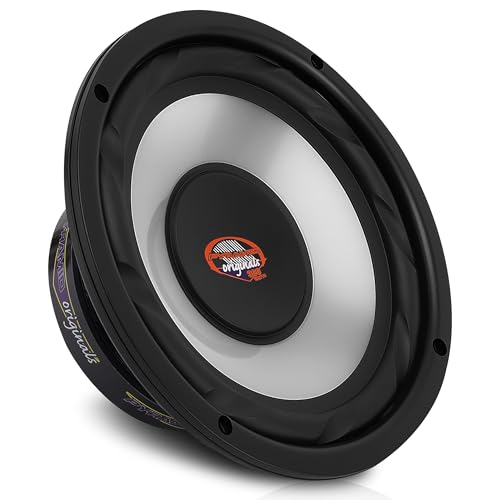
Pyramid 6.5 Inch Car Woofer Speaker WX65X

RECOIL RW8D2 8 Inch Car Audio Subwoofer

Lanzar MAXP84 8 Inch Car Subwoofer Speaker

CT Sounds Bio 10 Inch Car Subwoofer
More Details On Our Top Picks
The dual 4-ohm layout makes this BOSS option flexible for common amp pairings, which matters in a budget system where wiring choices can shape the final result. An 8-inch driver keeps the footprint modest, so it suits small trunks, compact hatchbacks, and mixed-use daily setups that still need useful low-end weight.
The honest read is that an 8-inch cone gives up some deep extension compared with larger 12-inch picks like the Hifonics HFX12D4. In return, installation tends to be easier to manage, and that trade-off fits commuters who want bass support without giving away the entire cargo area.
Strong Points
- Dual 4-ohm configuration helps with amplifier matching.
- 8-inch size stays easier to place in tighter enclosures.
- Good fit for daily systems that need bass, not bulk.
- Works well for compact vehicles with limited cargo room.
Points To Note
- Smaller diameter means less air movement than larger woofers.
- System tuning matters, especially in sealed or ported boxes.
- Owners typically need to plan wiring carefully for dual-coil use.
Feature Snapshot
Who It Suits Best
Commuters and first-time installers with compact vehicles are the strongest match here.
Where A Sibling Pick Shines
Hifonics HFX12D4 suits drivers who want more cabinet size and a larger bass footprint.
The 12-inch format gives this Hifonics model a clear advantage in low-frequency presence, especially in sedans and larger trunks where cabinet space is less of a constraint. With 800 watts max and 400 watts RMS, the RMS figure, meaning the more sustained power handling figure, points to a setup that can stay composed in ordinary use rather than just short bursts.
That larger frame also means a little more commitment on enclosure space and system planning, so it sits closer to the enthusiast end of this list than the BOSS 8-inch pick. For people building a louder daily system, that extra size is the point, though it asks for a more considered install.
Highlights
- 12-inch driver brings stronger low-end presence.
- 400 watts RMS gives a clearer sense of sustained handling.
- Works well for larger trunks and more open installs.
- Good stepping stone for a louder system build.
Worth Noting
- Needs more room than the 8-inch choices in this list.
- Setup choices matter more with a larger driver.
- Can feel excessive for tiny cabins or very simple systems.
Details At A Glance
Made For
Enthusiasts with larger trunks and room for a more substantial bass setup are the clearest fit.
Another Choice May Suit
BOSS Audio Systems P80DVC 8 Inch Car Subwoofer suits compact cars that need a smaller footprint.
Pyle keeps this one straightforward: a 10-inch single voice coil woofer with a 4-ohm load and a red electroplated cone for a bit of visual flair. In a typical budget system, that single-coil layout can be easier to sort out than dual-coil designs, which makes it friendlier for straightforward upgrades.
The trade-off is less wiring flexibility than the BOSS or RECOIL dual-voice-coil picks. Still, for a trunk build, a garage-stereo project, or a first subwoofer install, the mix of size and simplicity makes sense without asking for a big leap in complexity.
Upsides
- Single voice coil keeps the setup simple.
- 10-inch size lands in a useful middle ground.
- 4-ohm load works with many basic audio setups.
- Red cone gives the install a more distinctive look.
Small Caveats
- Less wiring flexibility than dual-coil models.
- Visual finish may not match every interior theme.
Core Details
Best Suited To
First-time installers and budget-minded upgraders who want a simple 10-inch format fit here well.
Look Elsewhere When
RECOIL RW8D2 8 Inch Car Audio Subwoofer suits setups that need dual 2-ohm flexibility instead of a single-coil layout.
The Pyramid WX65X sits at the small end of this lineup, and that matters for cars with tight mounting space or modest audio goals. Its white injected polypropylene cone, a rigid molded cone material, should keep the moving surface light enough for practical bass support, while the 40-ounce magnet gives the motor section a more substantial feel than the size alone suggests.
That smaller diameter means it won’t replace the fuller output of a 10- or 12-inch sub, so the fit leans toward reinforcement rather than deep cabin pressure. For older cars, door-adjacent installs, or compact enclosures, though, this shape can be exactly the kind of restrained upgrade that makes sense.
Bright Spots
- 6.5-inch frame fits places larger woofers cannot.
- Polypropylene cone keeps the build straightforward.
- 40-ounce magnet adds substance for its size.
- Good option for modest bass reinforcement.
Areas To Watch
- Small diameter limits deeper output compared with larger picks.
- Less suitable for trunk-filling bass goals.
- Installation depth still needs checking on compact panels.
Technical Sheet
Right Fit For
Drivers with very limited mounting room and modest bass expectations are the strongest match.
Swap It Out When
CT Sounds Bio 10 Inch Car Subwoofer suits installations that can spare more space and want a fuller bass footprint.
RECOIL leans into a more serious build with a dual 2-ohm voice-coil design, a 2-inch black-coated four-layer high-temperature coil, and a pressed paper cone. The voice-coil setup, meaning the winding that drives the cone, gives system tuners more room to match the load to an amplifier, which is useful in custom installs where the amp choice comes first.
The trade-off shows up in planning, because this is less of a casual plug-in choice than the Pyle single-coil model. For hobbyists who like to shape their own system around the amplifier and enclosure, that extra control can be worth the effort.
Reasons To Buy
- Dual 2-ohm layout supports flexible wiring plans.
- Four-layer coil points to a more serious build approach.
- Pressed paper cone keeps the driver traditional and direct.
- Well matched to custom amplifier pairings.
Things To Consider
- Needs more system planning than simpler single-coil picks.
- Best results depend on careful enclosure and amp matching.
- Paper-cone designs can ask for a little more upkeep in rough use.
Feature Rundown
Whose Shelf It Belongs On
Custom audio hobbyists who already have an amplifier plan in mind are the clearest match.
Another Choice May Suit
Lanzar MAXP84 8 Inch Car Subwoofer Speaker fits a simpler 4-ohm layout for more straightforward installs.
The Lanzar MAXP84 keeps things direct with an 8-inch driver, black non-pressed paper cone, aluminum voice coil, 4-ohm impedance, and foam edge suspension. Foam edge suspension, the flexible rim that lets the cone move, can help the woofer keep a more natural motion in ordinary car audio use, which is handy for a basic refresh in an older system.
Compared with the RECOIL RW8D2, this one is easier to understand on paper and likely easier to slot into a simple stereo upgrade. The honest read is that it fits best where a solid, no-fuss bass add-on matters more than advanced tuning options.
What We Like
- 8-inch size fits many standard vehicle setups.
- Aluminum voice coil adds a sturdier build element.
- Foam edge suspension supports cone movement.
- 4-ohm impedance suits common car audio layouts.
Softer Spots
- Non-pressed paper cone may need gentler long-term handling.
- Less tuning flexibility than dual-voice-coil options.
- Best suited to straightforward systems, not complex builds.
At A Glance
Built With In Mind
Budget upgrades in older cars or simple stereo systems are the best match here.
Where A Sibling Pick Shines
BOSS Audio Systems P80DVC 8 Inch Car Subwoofer suits shoppers who want dual-coil flexibility in the same size class.
CT Sounds lands in a useful middle ground with a 10-inch dual 2-ohm format, which gives it more installation flexibility than the Pyle single-coil choice and less bulk than the Hifonics 12-inch model. For many daily drivers, that balance is the whole story, especially where trunk space and bass output both matter.
The dual 2-ohm configuration makes amplifier matching more adaptable, though it does ask for a bit more planning than the simplest 4-ohm options. The result should suit systems that want a cleaner upgrade path without jumping all the way to a larger enclosure.
Best Bits
- 10-inch size offers a strong middle ground.
- Dual 2-ohm wiring supports more amp combinations.
- Good fit for daily-driver bass setups.
- Less space-hungry than the 12-inch Hifonics pick.
Room For Improvement
- Dual-coil setup takes more planning than basic 4-ohm units.
- Not as compact as the 8-inch choices.
- Enclosure choice still shapes the final sound a lot.
Quick Facts
The Right Fit
Daily drivers with room for a real bass upgrade, but not a huge enclosure, fit this model well.
Reach For A Different Pick When
Pyramid WX65X is the better match for very limited mounting space and smaller audio ambitions.
How To Choose The Right Cheap Car Subwoofers
Size, Space, And Cabin Fit
Driver diameter sets the first boundary. An 8-inch sub like the BOSS P80DVC or RECOIL RW8D2 suits tighter trunks and easier placement, while a 12-inch option such as the Hifonics HFX12D4 asks for more room but usually brings a fuller low-end reach.
Enclosure space matters just as much as diameter. Compact cars, sedan trunks, and hatchbacks benefit from smaller drivers that leave cargo room intact, while larger vehicles can absorb the cabinet size a 12-inch driver usually demands.
Impedance And Wiring Flexibility
Impedance, measured in ohms, tells the amplifier what kind of electrical load the sub presents. Dual 4-ohm and dual 2-ohm models give more wiring paths, which helps in custom systems, while a single 4-ohm woofer keeps things simpler for a basic upgrade.
That choice affects future changes too. A shopper who expects to swap amplifiers later usually benefits from a more flexible voice-coil setup, while a straightforward factory-radio upgrade often works better with the simplest load possible.
Power Numbers In Real Use
Peak power shows the upper edge, while RMS power, the steadier everyday figure, gives a better sense of normal handling. The Hifonics HFX12D4 lists both 800 watts max and 400 watts RMS, which is useful because it separates short bursts from sustained use.
Lower-power systems can still sound full in the right cabin, especially with proper box choice and tuning. The practical question is not just how much power a sub can take, but whether the rest of the system can support it cleanly.
Materials, Suspension, And Longevity
Cone material and edge suspension shape how the sub behaves over time. Paper cones, polypropylene cones, and foam surrounds each bring different trade-offs in weight, stiffness, and everyday durability, so the better match depends on how hard the system will work.
Drivers with coated coils or higher-layer coil builds are usually aimed at more demanding installs. For a daily commuter, a simpler construction can be easier to live with, while hobbyists often accept extra complexity for more tuning room.
What To Weigh Before You Commit
Common Shopping Slip Ups
Biggest mistakes usually start with size mismatch or wiring mismatch. A 12-inch sub in a cramped trunk can crowd out cargo, while a dual-coil model chosen without amp planning can create more work than expected.
Another common miss is chasing peak wattage alone. RMS rating, impedance, and enclosure fit matter more for a car that sees daily use.
Where The Extra Money Goes
Higher-tier models usually spend the money on stronger coil assemblies, more flexible wiring, and better control over cone movement. That matters in louder systems because the driver has to stay composed once cabin heat, amplifier load, and prolonged use start stacking up.
The upgrade makes sense for custom installs, larger vehicles, and setups that need more headroom. For a simple commute car, the extra cost can be hard to justify unless the system plan is already clear.
Frequently Asked Questions
What size subwoofer works best in a small car?
An 8-inch model usually fits the easiest in compact cars. The BOSS P80DVC and Lanzar MAXP84 both make sense for tighter spaces.
Is dual voice coil worth the extra planning?
Dual-coil designs give more wiring flexibility and amp-matching options. That helps most in custom systems or future-proof builds.
Do 12-inch subs always sound stronger?
A 12-inch driver often moves more air, but the enclosure and amplifier still shape the result. The Hifonics HFX12D4 suits bigger setups, not every cabin.
What does 4 ohms mean in plain language?
It describes the electrical load the sub presents to the amplifier. A 4-ohm model usually fits many straightforward car audio setups.
Which option fits a first-time install?
A single-coil, 4-ohm model usually keeps installation simpler. The Pyle 10 Inch Car Audio Subwoofer and Lanzar MAXP84 are the easiest starting points here.
Closing Thoughts
Cheap car subwoofers work best when size, wiring, and enclosure fit line up with the vehicle instead of fighting it. The smallest picks suit tight cabins, the 10-inch models cover the broad middle, and the 12-inch Hifonics option leans toward more serious bass output. Dual-coil designs reward careful planning, while simpler single-coil choices keep installation calmer. A smart match here tends to sound better than a bigger driver chosen for the wrong car, and that’s usually the part worth remembering.