


Compact car audio setups live or die by fit, wiring flexibility, and how calmly an amp handles real use. For daily commuters, weekend installers, and drivers adding sound without crowding the trunk, the right unit needs more than wattage on paper. It needs the right inputs, channel layout, and size profile for the vehicle already on hand. This roundup focuses on compact options that suit OEM head units, aftermarket systems, and tighter installation spaces.
The Shortlist At A Glance

Taramps TS 1200 Watt 4 Channel Amplifier

SounDigital Car Full Range Amplifier 800
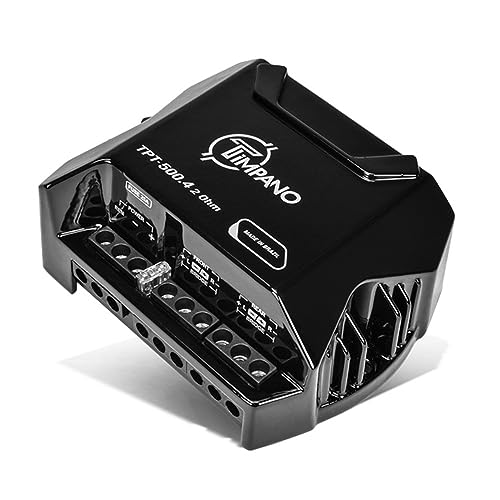
Timpano Audio TPT-500.4 2 Ohm 400 Watt

Taramps TS 400X4 Black 2 Ohms 400W RMS
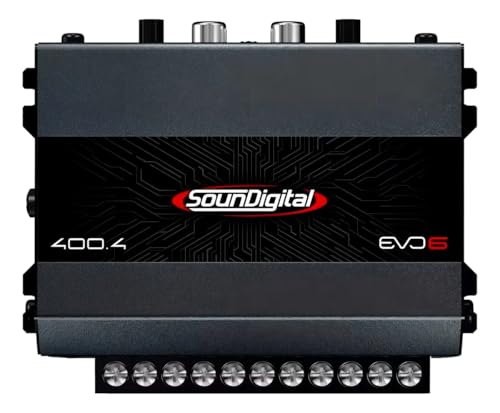
SounDigital Amplifier 400W 4 Channels

CT Sounds CT-1000.1D Compact Class D Monoblock

GoolRC 4-Channel Full-Range Amplifier 80Wx4
More Details On Our Top Picks
The TS 1200 Watt model leans into installation flexibility, with fixed RCA and wire-level input support, plus automatic turn-on for systems that need a smoother signal path. Bridgeable channels add room for different layouts, so a compact sedan or hatchback can shift from simple four-speaker duty to a more focused setup without changing the amp class.
The honest read is that this suits mixed OEM and aftermarket projects better than a stripped-down unit like the Timpano TPT-500.4. Professional installation is a sensible expectation here, especially in vehicles where factory wiring and accessory power routing need clean handling.
Strong Points
- Full-range Class D design keeps the footprint suited to tighter mounting spots.
- RCA and wire inputs support both factory-style and upgraded head units.
- Automatic turn-on helps simplify day-to-day use in mixed-signal systems.
- Bridgeable channels give more routing options for rear fill or a focused pair of speakers.
- The compact format can free up cargo space in smaller vehicles.
Things To Consider
- Professional installation is the safer route for neat wiring and correct configuration.
- Bridgeable setups ask for careful speaker matching to avoid awkward load choices.
- The feature set is broad, which can feel more involved for first-time installs.
Feature Snapshot
Who It Suits Best
Drivers building a compact full-range system around either factory audio or an aftermarket head unit fit this model well.
A Better Fit Elsewhere
SounDigital Car Full Range Amplifier 800 suits drivers chasing a stronger four-channel output profile for a more assertive upgrade path.
The SounDigital 800 keeps the same four-channel format as the Taramps TS 1200 Watt model, but the tighter size language points toward more space-conscious installs. Four channels with 800 watts RMS at 4 ohm give it a stronger output profile for drivers who want a livelier cabin without moving into a larger chassis.
In a busy daily driver, that mix makes sense for door speakers or a full-range system where mounting room is limited. The trade-off is simple: stronger output usually asks for more careful planning around wiring and speaker matching, so the gain is real but not casual.
What We Like
- Four-channel output supports a complete front-and-rear speaker layout.
- Compact size helps in installs where depth and width matter.
- 800 watts RMS gives more headroom for lively, everyday listening.
- Full-range design suits systems that need broad playback rather than only sub duty.
Worth Noting
- Higher-output setups benefit from tidy cable planning and secure mounting.
- The stronger power profile may be more than simple upgrades need.
- Space savings help, but compact hardware still leaves less margin for sloppy routing.
At A Glance
Made For
Drivers who want a compact four-channel amp with more output headroom than an entry-level setup will find the fit strongest here.
Skip It When
Timpano Audio TPT-500.4 makes more sense for drivers who value a simpler 2 ohm four-channel path over extra output emphasis.
Timpano’s TPT-500.4 reads like the straightforward option in this group, especially beside the more feature-heavy Taramps TS 400X4 Black. Four channels and a 2 ohm design suit everyday speaker upgrades, where a clear layout matters more than extra configuration layers.
That plain approach is useful in a commuter car or a family vehicle with limited dash space. The honest caveat is that the simpler profile leaves less room for advanced routing tricks, so it rewards clean, uncomplicated installs.
Upsides
- Four-channel layout covers front and rear speaker upgrades neatly.
- 2 ohm support opens more pairing flexibility in common car audio setups.
- 400 watt rating suits moderate, practical improvement goals.
- The compact structure keeps the install easier to plan.
Small Caveats
- Less feature depth than the Taramps TS 400X4 Black.
- Drivers looking for more advanced input options may want a broader feature set.
- Moderate output fits everyday listening better than ambitious system builds.
Quick Facts
Right Fit For
Commuters and everyday installers who want a simple four-channel amp with a moderate power target fit this model well.
Another Choice May Suit
SounDigital Car Full Range Amplifier 800 works better for drivers who want a stronger compact four-channel output tier.
The TS 400X4 Black lands in a sweet spot for drivers who want more routing flexibility than the Timpano TPT-500.4 without jumping to a bigger category. High-level and RCA inputs, plus bridgeable channels, make it a practical fit for factory head units and aftermarket sources alike.
Built-in crossover support, where a crossover splits frequencies for the speakers, helps keep the signal path organized in mixed setups. That matters in a daily car, because clean routing often saves more frustration than raw power numbers do.
Reasons To Buy
- High-level and RCA inputs widen compatibility across source types.
- Bridgeable channels allow more layout options for changing system plans.
- Built-in crossover support helps organize speaker routing.
- Compact Class D construction suits tighter installation spaces.
Areas To Watch
- More options mean more setup choices to sort through.
- Bridge mode asks for careful speaker matching.
- Drivers wanting the simplest possible setup may prefer the Timpano TPT-500.4.
Details At A Glance
Best Suited To
Drivers replacing a factory system and wanting a compact amp with broad input support will find this one especially practical.
Reach For A Different Pick When
Taramps TS 1200 Watt 4 Channel Amplifier suits more complex OEM-to-aftermarket transitions that need automatic turn-on and broader channel flexibility.
Compared with the Taramps TS 400X4 Black, this SounDigital model keeps the message simpler: four channels, compact framing, and a 400W profile that suits restrained upgrades. In a small car, that kind of shape can make the install feel less crowded from the start.
It fits well in daily driving setups where the goal is cleaner speaker control rather than a dramatic build. One thing worth considering is that compact gear leaves less room for extra wiring slack, so neat planning still matters.
Best Bits
- Four-channel format supports standard full-cabin speaker setups.
- 400W output keeps the system target modest and manageable.
- Compact size suits tighter mounting areas in smaller vehicles.
- Straightforward structure makes it easier to plan around other components.
Room For Improvement
- Less feature detail than the Taramps TS 400X4 Black.
- Drivers wanting stronger output may outgrow it quickly.
- Compact hardware still needs careful cable routing to avoid clutter.
Core Details
Whose Shelf It Belongs On
Drivers who want a tidy, no-nonsense four-channel amplifier for a smaller vehicle will get the most from this format.
Swap It Out When
SounDigital Car Full Range Amplifier 800 is the more compelling step up for drivers who want extra output headroom in a similar footprint.
The CT-1000.1D breaks from the four-channel trend by focusing on a single monoblock path, which makes the purpose clear from the start. A monoblock is a one-channel amplifier built for a dedicated load, and here that design points squarely at subwoofer use in compact systems.
That focus is useful for a trunk setup or a hatchback build where bass duties need their own dedicated amp. Compared with the SounDigital and Taramps four-channel units, it asks for a different system plan, but the payoff is a cleaner route for low-frequency work.
Highlights
- Monoblock design keeps the purpose focused on a single output path.
- 1000 watts RMS gives it a strong role in subwoofer setups.
- Compact Class D construction helps in small amp spaces.
- The simplified channel structure can keep sub installs easier to organize.
Points To Note
- It is not a cabin-wide four-channel solution.
- Best fit comes from a system already built around subwoofer duty.
- Matching the amp to the sub enclosure matters more here than with general-purpose amps.
Technical Sheet
The Right Fit
Subwoofer-focused builds in hatchbacks, sedans, and small SUVs suit this monoblock layout best.
Look Elsewhere When
Taramps TS 1200 Watt 4 Channel Amplifier makes more sense for full-cabin speaker control and mixed-input flexibility.
GoolRC takes the smallest-power approach in this lineup, and the 80Wx4 layout suits modest Android car player projects more than ambitious audio overhauls. That makes it a sensible fit for basic signal-shaping upgrades where clean integration matters more than pushing the cabin hard.
The one odd note is the source listing around this item, which is thinner than the others and leaves fewer comfort points for cautious installers. Still, for a simple four-channel path tied to an Android head unit, the shape is easy to understand.
Bright Spots
- 80Wx4 output fits restrained, practical system goals.
- Four-channel layout keeps it useful for small cabin setups.
- Class A/B design may appeal to drivers who want a familiar amplifier style.
- DSP support, or digital sound processing, suggests extra tuning control for source matching.
Honest Caveats
- The output level is modest compared with the SounDigital 800 and CT Sounds monoblock.
- The listing provides less detail than the other picks, which can make planning harder.
- Installation fit matters more here because the unit is aimed at lighter-duty use.
Feature Card
Built With In Mind
Drivers pairing an Android head unit with a compact four-channel amplifier for light-duty sound shaping fit this pick well.
Where A Sibling Pick Shines
Taramps TS 400X4 Black suits drivers who want more documented input flexibility and bridgeable channel options.
How To Choose The Right Compact Car Amplifiers
Match Channel Count To The Cabin
Four-channel amplifiers suit front and rear speaker duties in most compact cars. Monoblock units make more sense for subwoofer-only setups, where a single channel is built around one load.
That split matters because channel count shapes both wiring and future expansion. A full-range four-channel amp can cover more of the system, while a monoblock keeps bass duties isolated and easier to plan around.
Check Input Flexibility Before Mounting
High-level inputs accept speaker-level signals from factory head units, which helps in OEM systems that do not have clean RCA outputs. RCA inputs are the more common low-level connection for aftermarket stereos, and some amps support both.
That flexibility reduces guesswork during installation. It also helps the amp stay useful through a later head-unit upgrade, which is the kind of practical planning that saves a second teardown.
Size, Class, And Heat Management Matter Together
Compact car amplifiers often use Class D design, which keeps chassis size modest and suits tighter mounting locations. Class A/B models can still work well, but they usually make more sense where the install has room and the user wants a different sound or tuning style.
Heat handling also ties into placement. A trunk corner with airflow is far easier than a tight dash cavity, and that difference shows up fast during daily driving in hot weather.
Choose Power For The System You Actually Own
RMS, or continuous power, is the more useful number for matching an amp to speakers than a headline peak figure. Moderate RMS ratings suit door-speaker upgrades, while higher ratings belong with subwoofer duty or stronger cabin builds.
Oversizing the amp can complicate setup, but undersizing leaves the system underfed. The best balance comes from speaker sensitivity, enclosure design, and the amount of space already available for wiring and mounting.
What To Weigh Before You Decide
Common Shopping Slip Ups
Channel count gets misread often. A driver shopping for cabin speakers may end up with a monoblock, or a subwoofer project may receive a four-channel unit that’s better suited to door speakers.
Source compatibility is another easy miss. Factory radios usually need high-level support, while aftermarket decks often pair more naturally with RCA inputs.
What The Higher Tier Buys
Higher-tier models usually spend more on output headroom, input flexibility, and more careful control sections. Those details matter in vehicles where the system needs to stay clean across different sources and louder listening levels.
The upgrade starts to make sense in daily drivers with more than basic speaker goals, or in builds where the amplifier has to fit a tight space without cutting back on versatility. In those cases, extra cost tends to go toward convenience and adaptability, not just louder numbers.
Frequently Asked Questions
Can A Compact Amp Fit Under Most Seats?
Many compact models can fit under a seat, but chassis depth and cable bend room still matter. A low-profile Class D unit is usually the easier match for that placement.
Do Four-Channel Amps Work With Factory Radios?
Many do, especially models with high-level inputs. That support helps when the head unit does not provide RCA connections.
What Does Bridgeable Mean?
Bridgeable means two channels can be combined to drive a different load. That arrangement can help when a system needs more focused output from fewer speakers.
Is A Monoblock Only For Subwoofers?
Most monoblocks are built for bass-focused work, because they provide one dedicated output path. That makes them the natural match for a subwoofer system.
How Much Power Is Enough For Daily Use?
Moderate RMS output is enough for many door-speaker upgrades in daily cars. Larger systems or subwoofer setups usually need more headroom to stay composed.
Closing Thoughts
Compact car amplifiers reward careful matching more than flashy claims. A good four-channel unit fits the cabin layout, source type, and available mounting room without turning the install into a puzzle. A monoblock earns its place when bass needs dedicated support. The seven picks here cover practical routes for factory radios, aftermarket decks, and smaller vehicles that still deserve clean sound.