


Compact amplifiers matter in installs where space is scarce, wiring needs to stay tidy, and the goal is stronger sound without turning the trunk into a project. That usually means a unit that fits near factory locations, handles the right channel count, and keeps controls accessible during setup. The seven picks below cover full-range four-channel models, a five-channel option for a front stage plus sub, and a dedicated monoblock for bass-focused layouts.
The shortlist leans on compact footprints, useful crossover control, and channel layouts that match common daily-driver upgrades. Some models suit simple speaker refreshes, while others make more sense for a system that may grow later.
Quick Shortlist For Tight Installations
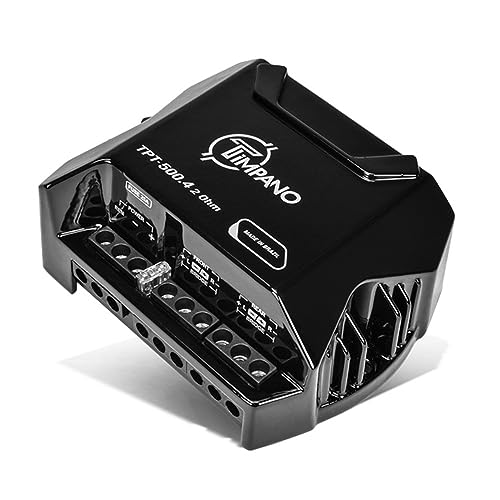
Timpano Audio TPT-500.4 2 Ohm 4 Channel Amp

Taramps TS 400X4 Black 2 Ohms 4-Channel Amp
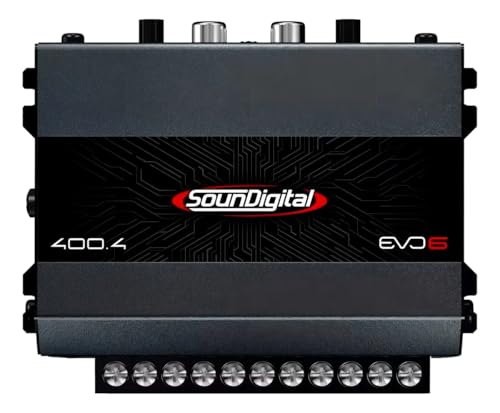
SounDigital Amplifier 400W 4 Channels

CT Sounds CT-1000.1D Compact Class D Monoblock

Recoil DI550.4 Full-Range Class-D 4-Channel Amp
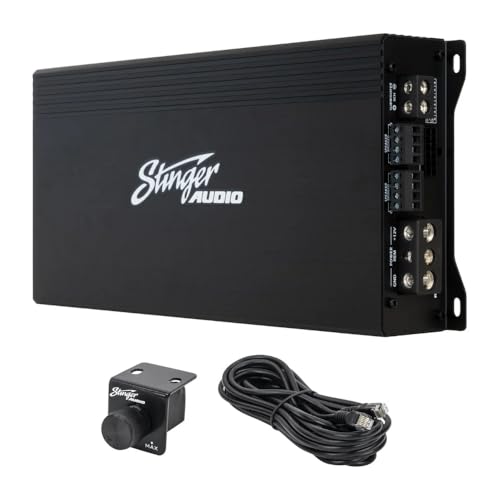
Stinger Audio MT-1000.5 Compact Digital Class D 5-Channel

GoolRC 4-Channel Full-Range Amplifier 80Wx4
More Details On Our Top Picks
Four channels make this Timpano an easy fit for front and rear speaker upgrades in a daily driver. The 2 ohm load support matters because many compact car audio amplifiers need a sensible match between speaker wiring and output stage, and that can decide whether an install feels relaxed or strained.
The trade-off is simple, it stays focused on mainstream four-channel duty rather than piling on extras. That makes it a clean choice for sedan and hatchback setups where space is tight and straightforward tuning matters more than a crowded feature sheet.
Strong Points
- Four channels suit a tidy front-and-rear speaker layout.
- 2 ohm support broadens matching options for common car audio builds.
- Compact multichannel format keeps installation planning simple.
Points To Note
- Feature set stays lean, so advanced tuning control is limited.
- Best value shows up in straightforward systems, not elaborate upgrades.
Core Details
Who It Suits Best
Commuters and DIY installers working on a modest full-range system get the most from this format.
Where A Sibling Pick Shines
Taramps TS 400X4 Black 2 Ohms 4-Channel Amp suits a factory-radio upgrade better, thanks to its high-level and RCA input options.
High-level and RCA inputs give this Taramps more wiring flexibility than the simpler Timpano above. That matters in mixed systems, especially where a factory head unit stays in place and the install still needs clean signal routing.
Bridgeable channels and a built-in crossover round out the package for people who want more routing control without moving to a larger chassis. The honest read is that the extra flexibility pays off most in careful custom installs, not in the most basic speaker swap.
What We Like
- High-level and RCA inputs widen compatibility with different head units.
- Bridgeable channels allow more layout options in a compact footprint.
- Built-in crossover helps separate frequency duties during setup.
- Class D design supports a smaller, easier-to-place amplifier body.
Room For Improvement
- More connection choices can mean more planning during installation.
- The added flexibility is most useful in systems that need it.
Feature Snapshot
Made For
Factory-radio upgrades and mixed-signal installs suit this model well, especially in compact cabins.
Another Choice May Suit
GoolRC 4-Channel Full-Range Amplifier 80Wx4 fits simpler Android-based upgrades where modest output matters more than tuning depth.
Small footprint is the obvious draw here, and that becomes useful fast in hatchbacks, under-seat placements, or any install where every inch counts. Compared with the Taramps and Timpano options, this SounDigital leans harder into minimal bulk than into feature density.
That trade makes sense for clean, uncomplicated speaker upgrades. It may feel a little plain beside the more control-heavy Recoil and Stinger models, but plain can be exactly what a tidy build needs.
Upsides
- Compact size helps in tight mounting spaces.
- Four channels support a practical full-range upgrade.
- Simple layout suits installations that need less clutter.
Softer Spots
- Limited feature detail makes it less configurable than some rivals.
- Minimalist design favors straightforward systems over layered builds.
Details At A Glance
The Right Fit
Drivers with limited mounting room and uncomplicated speaker plans should find this format appealing.
Swap It Out When
Stinger Audio MT-1000.5 Compact Digital Class D 5-Channel suits setups that need one amplifier for speakers and a sub.
A monoblock is a single-channel amplifier, and that makes this CT Sounds model squarely about subwoofer duty. The 1000 watts RMS rating places it in a different lane from the four-channel picks above, so it suits bass-forward systems rather than full-range speaker duty.
That extra focus helps in trunk builds where one compact unit needs to handle the low end cleanly. The trade-off is obvious, it is not the sort of amplifier that replaces a multichannel unit, and that matters for people still building out doors and dash speakers.
Best Bits
- Monoblock layout keeps bass-system planning straightforward.
- Compact Class D format helps preserve cargo space.
- 1000 watts RMS targets subwoofer-centered installs.
Minor Gripes
- Single-channel design does not cover full-range speaker runs.
- Most useful in systems that already have a separate front-stage plan.
Technical Sheet
Whose Shelf It Belongs On
Subwoofer builders and trunk-install enthusiasts get the clearest benefit from this model.
Look Elsewhere When
Recoil DI550.4 Full-Range Class-D 4-Channel Amp fits a system that still needs all-speaker coverage.
The Recoil stands out for people who want a little more control without jumping to a much larger system. Its MOSFET output stage, which uses metal-oxide-semiconductor field-effect transistors for efficient switching, is paired with LPF, HPF, and bass EQ, so setup can be shaped around the car rather than forced into a single profile.
Compared with the Timpano and SounDigital picks, this one leans more toward tuning versatility than stripped-down simplicity. That can be useful in a compact sedan with a mixed speaker setup, though the extra controls also mean a more careful install.
Highlights
- LPF, HPF, and bass EQ offer practical tuning control.
- 2 to 4 ohm stability broadens speaker-matching options.
- MOSFET-based design supports efficient power handling.
- Four-channel layout suits front-stage upgrades with room to grow.
Areas To Watch
- Tuning depth helps most in systems that need adjustment.
- More settings can slow down a first-time install.
Core Details
Built With In Mind
Shoppers planning a tuned full-range system in a tight cabin should find this a strong fit.
Where A Sibling Pick Shines
Taramps TS 400X4 Black 2 Ohms 4-Channel Amp suits a cleaner, less adjustable installation.
Five channels changes the whole layout story, because this Stinger can cover a full speaker set and a subwoofer from one chassis. The bass knob remote is useful in daily driving, since low-end preference often shifts from one road surface to the next, and the remote keeps that adjustment close at hand.
HEXFET MOSFET output sections, high and low pass crossover control, bass boost, and a subsonic filter place it above the simpler four-channel units in this list. The subsonic filter trims very low frequencies that many sub setups do not need, which helps keep the bass stage more controlled in real-world use.
Standout Traits
- Five-channel format simplifies combined speaker and sub installs.
- Remote bass knob makes everyday adjustment more convenient.
- High and low pass crossover control adds useful tuning range.
- Subsonic filter supports more controlled low-end playback.
Small Caveats
- Five-channel flexibility usually comes with more wiring planning.
- Best results depend on a system that actually needs both speaker and sub support.
Feature Card
Perfect Match For
Drivers wanting one compact chassis for a full cabin plus subwoofer setup should look here first.
Reach For A Different Pick When
CT Sounds CT-1000.1D Compact Class D Monoblock suits a bass-only build with no need for rear speaker channels.
This GoolRC leans toward basic channel expansion, and that gives it a clear role in modest Android-based head unit upgrades. The class A/B design is different from the class D units above, so the emphasis here is less on compact efficiency and more on an affordable route into amplified sound.
The digital sound processor feature adds a little more control than the price-focused impression suggests, though the overall package still feels simpler than the Recoil or Stinger options. That makes sense for straightforward daily use, especially in cars where the goal is steadier output rather than a highly tuned build.
Bright Spots
- Four-channel layout handles basic speaker upgrades.
- Digital sound processing adds useful control for a simple setup.
- Works well with Android car player based systems.
- 80Wx4 output suits lighter-duty amplification needs.
Honest Caveats
- Most appealing for simpler builds rather than demanding installs.
- Modest output range limits its reach in larger cabins.
- Feature depth is lighter than the pricier entries in this list.
At A Glance
Who Should Grab It
Entry-level installers and Android head unit owners looking for a simple four-channel step up are the clearest match.
Where Another Pick Suits Better
Taramps TS 400X4 Black 2 Ohms 4-Channel Amp suits shoppers who want broader input flexibility and a more upscale install path.
How To Choose The Right Compact Car Audio Amplifiers
Match Channel Count To The System
Channel count decides how many speaker paths a unit can handle. A four-channel amp suits front and rear speakers, while a five-channel model can cover a full set plus a subwoofer from one chassis.
That choice matters more than raw wattage for many compact installs. A smaller car with one sub and two speaker pairs can benefit from the cleaner wiring path of the Stinger MT-1000.5, while a basic refresh may only need the simpler Timpano or SounDigital format.
Pay Attention To Inputs And Signal Routing
High-level inputs accept speaker-level signals from factory radios, while RCA inputs work with line-level aftermarket sources. That difference often decides whether an installation needs extra adapters or can stay straightforward.
The Taramps TS 400X4 stands out here because it supports both paths, which makes it easier to fit into mixed systems. For a car that still uses the original head unit, that flexibility can matter more than a slightly leaner feature sheet.
Look Past The Power Number
Watts tell only part of the story. Load stability, crossover control, and how the amplifier handles the intended speaker or sub setup often shape the real outcome more than a single headline figure.
The Recoil DI550.4 shows why, because its LPF, HPF, bass EQ, and 2 to 4 ohm stability give it more setup range than a plain four-channel unit. That extra control helps in custom installs, though it also asks for more careful tuning.
Measure The Install Space First
Compact car audio amplifiers are chosen as much for fit as for output. Trunk sidewalls, under-seat locations, and tight hatchbacks can quickly rule out a larger chassis.
Class D designs often make that easier because they pack more capability into a smaller shell than older-style layouts. The SounDigital and Stinger models show the appeal clearly, while the CT Sounds monoblock makes sense where a single compact box needs to cover bass duty.
Things Worth Knowing First
Mistakes Worth Dodging
Channel count mismatches create the most common disappointment. A monoblock handles a subwoofer, but it does not replace a four-channel amp for doors and rear speakers.
Another common slip is overlooking the source unit. A factory radio may need high-level input support, which is why the Taramps layout is more adaptable than basic low-input options.
The Upgrade Payoff
Higher-tier models usually cost more because they add routing tools, broader input support, or more refined control over frequency bands. Those extras are useful in installs that need tuning rather than just louder sound.
The Stinger MT-1000.5 and Recoil DI550.4 show where the extra money tends to go, into convenience, flexibility, and setup control. That upgrade makes sense for more complex systems, while a simpler daily driver may do fine with the Timpano or GoolRC.
Frequently Asked Questions
What makes a compact car amplifier different from a full-size model?
Compact models focus on a smaller footprint and easier placement. The trade-off is often less headroom or fewer extras than larger chassis designs.
Is a five-channel amplifier worth it for a small car?
A five-channel unit makes sense for a combined speaker and sub setup. It avoids running separate amps, which can simplify wiring in tight spaces.
Do factory radios work with these amplifiers?
Some do, but the amplifier needs the right input type. High-level input support, like the Taramps TS 400X4 offers, makes factory integration much easier.
What does Class D mean in car audio?
Class D describes an efficient amplifier design that usually supports a smaller chassis. That helps in compact installs where heat and space both matter.
Should bass-focused systems use a monoblock?
A monoblock is the natural fit for a subwoofer. The CT Sounds CT-1000.1D shows that layout clearly, since it is built around single-channel low-end duty.
Closing Thoughts
Compact car audio amplifiers reward clear planning more than impulse shopping. A four-channel unit suits simple speaker upgrades, a five-channel design fits a full cabin-plus-sub layout, and a monoblock belongs in bass-focused builds. The strongest choice is the one that matches the car’s space, the source unit, and the number of speakers already in play. That keeps the install tidy and the sound path sensible.