

Factory stereo upgrades often stall at the same point, the sound stays flat, the vocals sit too far back, and bass loses shape before the volume gets where you want it. That’s where a good set of 6×9 speakers without amp can help, especially in a daily driver, a work truck, or a long commute car that needs clearer sound from the head unit alone.
This roundup focuses on coaxial designs, meaning the tweeter and woofer sit in one speaker body, so installation stays straightforward. You’ll find options that lean balanced, efficient, durable, or more output-focused, depending on how much detail and punch you want from a stock-style setup.
The Shortlist At A Glance
Kenwood KFC-6966S 800W Max 6 x 9 3-Way Speakers

PIONEER F-Series TS-F6935R 6 x 9 3-Way Speakers
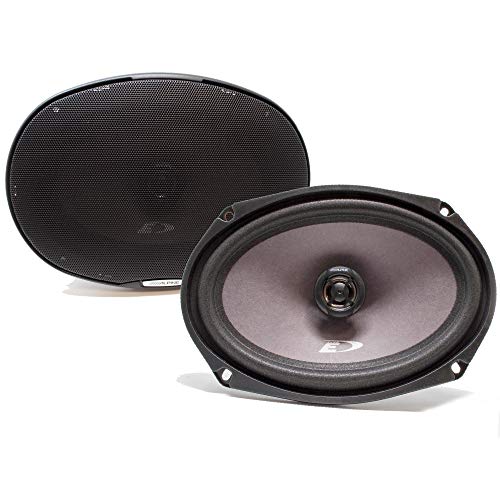
Alpine SXE-6926S 6×9 2-Way Coaxial Speakers
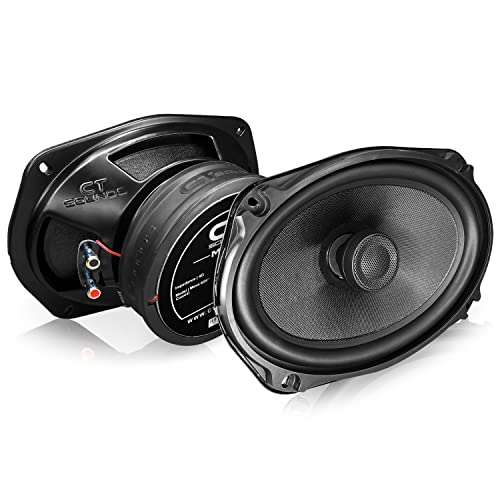
CT Sounds Meso 6×9 400 Watt 2-Way Speakers

BOSS Audio Systems CH6930B 6 x 9 3-Way Speakers

ORION Cobalt CB693 6×9 3-Way Speakers

STX Audio 1200W 6X9-Inch 4-Way Speakers
More Details On Our Top Picks
Kenwood’s 3-way layout gives you a familiar stock-friendly upgrade path, with the tweeter and midrange duties handled inside one frame. For a commuter car or family sedan, that usually means more separation in vocals and less strain from a factory deck than you get from tired original speakers.
The 4 ohms impedance matters because it matches the kind of load many head units expect, so the setup stays straightforward. The honest trade-off is that this isn’t a flashy, bass-heavy build, but that’s part of its appeal for everyday listening.
Strong Points
- Three-way design helps keep voices and instruments more distinct.
- 4 ohms impedance suits common head-unit installs.
- Good match for drivers who want a cleaner factory replacement.
- Pair format keeps the upgrade simple for front or rear doors.
Things To Consider
- It’s built more for balance than for hard-hitting low end.
- The plain coaxial format won’t feel as tailored as a full component setup.
- You may want extra sound deadening in a noisier cabin.
Feature Snapshot
Who It Suits Best
Drivers replacing worn factory speakers in a daily commuter get the most from this kind of straightforward, balanced tuning.
A Better Fit Elsewhere
PIONEER F-Series TS-F6935R fits better for someone who wants a more OEM-leaning replacement with a smoother treble tilt.
This Pioneer set leans into factory-replacement comfort, which helps when you want clearer sound without turning your car into a project. The high-efficiency design is the key clue here, since that usually suits OEM power and keeps the setup friendly for standard head units.
Compared with the Kenwood above, this one reads a little more tailored to people replacing worn original speakers and wanting smoother treble. For a compact sedan or an older SUV with a stock radio, that balance can feel like the right amount of change.
What We Like
- High-efficiency build suits common factory power.
- Three-way layout helps keep the sound stage organized.
- Works well for a direct replacement role.
- Smooth treble focus can soften harsh stock audio.
Worth Noting
- The sound shape is aimed more at balance than big drama.
- Owners who want deep bass usually pair it with more system support.
- Installation still depends on your vehicle’s mounting depth and bracket needs.
At A Glance
Who Should Grab It
Commuters replacing tired factory speakers with a cleaner, smoother pair will find this one easy to live with.
Where Another Pick Suits Better
Kenwood KFC-6966S makes more sense for a shopper who wants a slightly more straightforward impedance match and a broader everyday profile.
Alpine keeps things simple here with a 2-way coaxial layout, meaning the speaker splits duties between a woofer and a tweeter instead of stacking more layers on top. That kind of design usually suits drivers who want a clean upgrade without paying for extra complexity they may never notice.
The listed RMS power is 45 watts, with 280 watts max peak power, so it reads as a restrained, sensible match for modest systems. In a small hatchback or an older car with a basic stereo, that practical ceiling can be enough, though hard-living bass fans may want more muscle elsewhere.
Upsides
- Two-way layout keeps the design easy to understand.
- Works well for clean replacement jobs in stock interiors.
- Lower-key power ratings suit simple systems.
- Good fit for drivers who value clarity over gimmicks.
Minor Gripes
- It’s less layered than 3-way or 4-way rivals in this list.
- Power limits may feel modest in louder cabins.
Details At A Glance
The Right Fit
Drivers who want a clean, low-fuss factory replacement in a normal daily car are a strong match for this Alpine pair.
Look Elsewhere When
CT Sounds Meso 6×9 400 Watt 2-Way Speakers suits someone who wants a more output-leaning choice with a stronger power ceiling.
CT Sounds gives you a more energetic two-way setup, and the 400 watt figure suggests more breathing room than the lighter Alpine option above. For a driver who likes firmer output from a stock head unit or a modestly upgraded system, that extra headroom can matter.
The premium tag makes sense in the context of the group, though it also means you’re paying for stronger performance expectations rather than barebones simplicity. In a louder cabin or a weekend cruiser, that trade feels more justified than it does in a quiet car that never leaves city streets.
Highlights
- Higher power figure gives the speaker a more forceful lean.
- Two-way structure keeps installation and tuning approachable.
- Useful for drivers who want more life from a stock-style system.
- Premium positioning fits builds that need a bit more punch.
Room For Improvement
- The stronger positioning makes it less modest than some alternatives here.
- You may not need this level of output for a quiet commuter car.
- Fit still depends on vehicle depth and mounting details.
Core Details
Best Suited To
Drivers who want a firmer, more spirited upgrade and don’t mind paying for that extra headroom fit this CT Sounds pair well.
Skip It When
Alpine SXE-6926S makes better sense for a calmer daily setup where simple clarity matters more than stronger output.
BOSS Audio Systems takes a familiar 3-way route, which helps the speaker cover more of the sound range without complicating the install. For everyday use in a sedan, coupe, or pickup with a stock deck, that often lands in the sweet spot between simple and lively.
The 400 watts per pair figure gives it more muscle on paper than the Pioneer and Kenwood choices, though the real appeal is that it stays approachable. The trade-off is the usual one for value-leaning audio gear, you get useful versatility, but not the last word in refinement.
Bright Spots
- Three-way design gives the speaker a fuller role in the cabin.
- 400 watts per pair supports a more assertive listening style.
- Good fit for budget-minded upgrades that still want some punch.
- Works well in common everyday vehicle setups.
Points To Note
- Refinement takes a back seat to versatility.
- Cabin noise can mask details in louder driving conditions.
- Pairing with thin door panels may call for extra damping material.
Technical Sheet
Whose Shelf It Belongs On
Drivers who want a practical, not-too-fussy upgrade with a little extra scale will find this BOSS pair easy to slot into a daily car.
Where A Sibling Pick Shines
PIONEER F-Series TS-F6935R fits better for a driver who cares more about an OEM-style replacement with a smoother top end.
ORION leans toward a fuller, tougher-feeling build, and the included grills are a useful touch for anyone who wants some added protection in a truck, hatchback, or family vehicle. That matters more than it sounds, because speaker grilles help reduce the chances of accidental contact from cargo, bags, or little hands in the back seat.
The 320W pair rating and 3-way format position it between the quieter Alpine and the more output-driven CT Sounds option. You may find it especially comfortable in vehicles that see daily use and occasional rough treatment, though the sound focus is still more practical than luxurious.
Standout Traits
- Included grills add a useful layer of protection.
- Three-way layout supports fuller everyday listening.
- Durable construction suits vehicles that take more wear.
- 320W pair rating lands in a middle-ground power range.
Softer Spots
- The tuning is practical, not especially refined.
- Grills help with protection, but they also add a bit of visual bulk.
Feature Rundown
Built With In Mind
Drivers who want a rugged daily-driver upgrade with a little extra peace of mind will appreciate this ORION pair.
Another Choice May Suit
BOSS Audio Systems CH6930B is a better match for someone who wants a lower-stakes value route with similar 3-way flexibility.
STX Audio goes further on paper than the rest of this list with a 4-way coaxial setup, which means it divides the sound work across more built-in drivers. That can appeal to someone chasing a more layered presentation from a stock-style install, though more drivers do not automatically mean better fit for every cabin.
The 1200W figure is the loudest headline in the roundup, so it stands out for drivers who want a more ambitious upgrade path. The catch is that a feature-heavy speaker can feel like overkill in a quiet commuter, while a larger SUV or an enthusiast build has more room to make use of it.
Best Bits
- 4-way layout adds more layers to the speaker design.
- High power figure points to a more assertive setup.
- Good fit for enthusiasts who want more going on inside the speaker.
- The format suits systems that need a stronger feature set.
Areas To Watch
- More layers can also mean more speaker than a basic commute needs.
- The bold spec sheet may outgrow simple factory setups.
Core Details
Perfect Match For
Enthusiast builds and drivers who like spec-heavy gear tend to get the most out of this STX Audio pair.
Swap It Out When
Alpine SXE-6926S is the calmer choice for a straightforward stock upgrade that doesn’t need a 4-way layout.
How To Choose The Right 6×9 Speakers Without Amp
Match The Speaker To Your Head Unit
Stock stereos usually sound best with speakers that are friendly to modest power, not with models that assume a separate amplifier. A 4 ohm speaker is common because it keeps the electrical load in a range many factory units can handle without drama.
Efficiency matters just as much. A more efficient speaker can sound fuller at lower volume, which helps during highway commutes or school runs where you rarely push the system hard.
Pick The Right Sound Shape For Your Car
3-way and 4-way coaxial speakers split the audio work across more drivers, so they can bring more detail to vocals and cymbals. A 2-way model keeps things simpler and can sound cleaner in smaller cabins where you want an easy upgrade.
The trade-off is straightforward: more layers can add detail, but they can also make the speaker more complex than your setup really needs. For daily use, balanced tuning often ages better than a flashy spec sheet.
Think About Power Headroom With Real Use In Mind
Max power is the louder headline, while RMS power describes the more steady level a speaker can handle over time. That difference matters because it helps you judge whether a speaker fits a stock radio, a stronger head unit, or a system with more room to grow.
Drivers who listen at moderate levels in a sedan can stay modest. Drivers with noisy cabins, road trips, or rear-seat passengers usually benefit from more output headroom and a sturdier build.
Fit And Installation Still Decide The Outcome
Speaker size is only part of the story. Mounting depth, grille clearance, and your car’s factory opening shape can turn an easy swap into a slow afternoon.
Owners commonly get the best results from a careful measurement before ordering, especially in older cars and trucks. That small check can save you from ordering a speaker that sounds good on paper but won’t sit properly in the door.
What To Weigh Before You Buy
Mistakes Worth Dodging
One common slip is chasing the biggest power number and forgetting about efficiency or head unit match. Another is treating every 6×9 opening as identical, even though mounting depth and trim shape can change the fit a lot.
It also helps to keep your listening habits honest. A quiet commuter and a work truck on rough pavement need different things, even inside the same size class.
The Upgrade Payoff
Higher-tier models usually cost more because they use more layered designs, sturdier materials, or more careful tuning. That extra money can make sense when you listen often, drive in noisy conditions, or want the system to feel less strained at normal volume.
For a casual local errand car, a simpler pair often does the job. For long drives or a vehicle you use every day, the upgrade can pay off in clearer vocals and less harshness.
Frequently Asked Questions
Do 6×9 speakers without an amp work with factory stereos?
Yes, many of them are built for that kind of setup. Efficiency and impedance matter most when you want decent sound from stock power.
Is a 3-way speaker always better than a 2-way?
Not always, because more drivers do not automatically fit every cabin or taste. A good 2-way can sound cleaner and simpler in the right vehicle.
What does 4 ohms mean on a car speaker?
It refers to the speaker’s electrical load. That load level is common in car audio and often works well with standard head units.
Should you focus on RMS or max power?
RMS gives you a better sense of steady handling. Max power is useful as a rough ceiling, but it says less about normal listening.
Do 6×9 speakers need extra accessories to install?
Sometimes they do, depending on your car’s factory openings and mounting depth. Brackets, adapters, or simple wiring help make the swap cleaner.