You’re probably here because the right amp depends less on raw wattage hype and more on how your speakers, space, and source gear line up. Some setups need a compact stereo unit for a desk or dorm room, while others need car-audio muscle, subwoofer control, or stage-ready headroom.
That’s the thread running through this roundup. You get a mix of home, mobile, and professional 8 ohm-friendly picks, so your choice matches the room, the ride, or the venue instead of fighting it.
Quick Look At The Shortlist
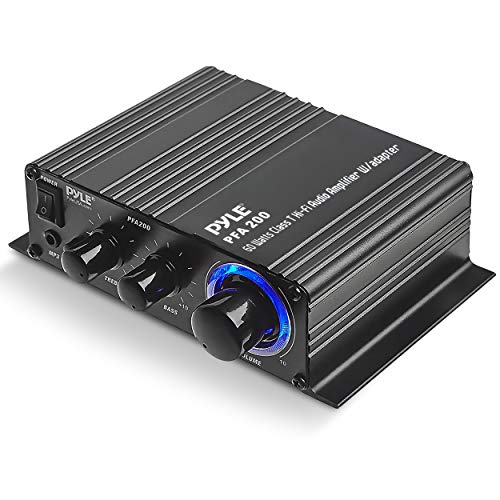
Pyle Home Mini Audio Amplifier PFA200

AIYIMA A07 Pro TPA3255 Stereo Amplifier

BOSS Audio Systems PT1000 2 Channel Car Amplifier

BOSS Audio Systems R3002 Car Audio Amplifie 2/8 Ohm

Skar Audio RP-800.1D Monoblock Class D MOSFET Amplifier

Taramps TS 400X4 Black 2 Ohms 4-Channel Car Audio Amplifier

Crown XLi800 Two-channel 600-Watt Bridged 8Ω Power Amplifier
More Details On Our Top Picks
Space is the main story here. The Pyle PFA200 suits a desk, bedroom shelf, or small living room setup where you want straightforward stereo control without a bulky chassis crowding the room.
Its AUX input and mic input make it handy for basic playback and small voice use, and the included 12V AC adapter keeps the setup simple. Compared with the AIYIMA A07 Pro, this one feels more stripped down, which helps in modest setups and also limits expansion.
Strong Points
- Compact body fits tight shelves and media corners.
- Dual-channel output suits a simple stereo pair.
- Mic input adds useful flexibility for casual use.
- Works with phones, iPhone, iPod, and MP3 players.
Things To Consider
- Best suited to smaller rooms, not sprawling home theaters.
- Feature set is modest beside the AIYIMA A07 Pro.
- Minimal extras mean less room for future system growth.
Feature Snapshot
Who It Suits Best
Small-space listeners, casual home setup owners, and anyone who wants a compact amp with low fuss will get the most from it.
Another Choice May Suit
AIYIMA A07 Pro TPA3255 Stereo Amplifier fits you better when Bluetooth and tone shaping matter more than simplicity.
This one feels built for a desk or compact listening room where you want more control than the Pyle mini amp offers. Bluetooth 5.2 adds wireless playback convenience, while the bass and treble knobs let you trim the tonal balance without digging through menus.
The TPA3255 is a Class D amplifier chip, which usually points to efficient, compact amplification in a small chassis, and the 2.0 or 2.1 layout makes it a smart fit for passive speakers plus a subwoofer. The honest trade-off is that all those controls can be more than some simple setups need.
Highlights
- Bluetooth 5.2 simplifies wireless listening from a phone.
- Bass and treble knobs give you quick tonal shaping.
- 2.0 and 2.1 support adds subwoofer flexibility.
- 3.5mm line output helps with broader system linking.
- Class D design suits a tidy desktop footprint.
Room For Improvement
- More controls mean a slightly busier front panel.
- Advanced users may still want separate source gear for finer tuning.
- Passive speaker setups need matching attention to the rest of the chain.
Technical Sheet
Right Fit For
Desktop listeners and compact home audio setups get the clearest value here, especially when wireless playback and tone control matter.
Where A Sibling Pick Shines
Pyle Home Mini Audio Amplifier PFA200 makes more sense for very simple setups that do not need Bluetooth or extra tone shaping.
Car systems usually ask for more backbone than home amps, and the PT1000 leans into that role with a full-range, two-channel layout. It suits an upgrade path where you want stronger output for speakers without jumping straight to a mono sub amp.
That makes it a natural step up from the Pyle and AIYIMA picks for vehicle use, though the trade-off is obvious, because it belongs in a car setup rather than a desk or living room. For drivers building a cleaner front-stage system, that focus is a strength rather than a limitation.
Best Bits
- Full-range design works across more speaker roles.
- Two-channel layout keeps installation logic simple.
- Stronger power class suits larger car-audio goals.
- Good fit for front-stage or general speaker upgrades.
Points To Note
- Built for vehicle use, not home listening.
- Big output needs careful matching with the rest of your system.
- Best results depend on solid installation and wiring.
Core Details
Best Suited To
Drivers who want a two-channel car amp for broader speaker duties will get the most value here.
Swap It Out When
Skar Audio RP-800.1D Monoblock Class D MOSFET Amplifier fits better for a system centered on one subwoofer.
Among the car-focused picks, this one stands out for the explicit 2 ohm and 8 ohm flexibility in the title, which makes matching speaker loads a little less restrictive. That kind of flexibility matters in mixed or older installs, where the rest of the system isn’t always neat and tidy.
Compared with the PT1000, the R3002 feels more about adaptable two-channel use than sheer output ambition. The trade-off is that the listing leans on a narrower power figure, so you’ll want to care more about fit than raw muscle.
Upsides
- 2 ohm and 8 ohm support adds matching flexibility.
- Two-channel layout keeps wiring straightforward.
- Good option for mixed speaker loads in a car.
- More approachable than heavier-duty car amps.
Minor Gripes
- Lower output focus makes it less dramatic than the PT1000.
- Vehicle installation still needs careful placement and wiring.
- Best value comes from a well-matched load.
Details At A Glance
Whose Shelf It Belongs On
Car audio tinkerers who need load flexibility without chasing a huge output figure are the natural fit here.
Look Elsewhere When
BOSS Audio Systems PT1000 2 Channel Car Amplifier suits you better when you want a stronger push for broader vehicle speaker work.
Bass-focused builds need a different sort of amp, and this Skar unit is squarely in that lane. The remote subwoofer level control is especially useful in a car where you want to trim bass from the driver’s seat without stopping to dig around in the trunk.
That makes it a sharper match than the PT1000 or R3002 for anyone building around a single sub. It does sacrifice versatility, though, because a monoblock is a specialist tool rather than a general-purpose stereo piece.
Reasons To Buy
- Monoblock design is tuned for subwoofer duty.
- Remote level control is handy in daily driving.
- Class D layout helps keep the chassis manageable.
- MOSFET-based amplification suits focused low-end builds.
Worth Noting
- Not the right match for a full-range speaker system.
- Remote control is useful, but it adds one more part to manage.
- Subwoofer setups still depend on careful enclosure matching.
Spec Overview
Made For
Drivers building a subwoofer-first car system will appreciate the direct, no-nonsense layout.
Another Choice May Suit
BOSS Audio Systems PT1000 2 Channel Car Amplifier fits better for a broader full-range speaker setup.
This Taramps model is the most flexible of the car amps in the list, thanks to its four channels, bridgeable layout, and mixed input support. That makes it a strong fit for someone planning a tidy, multi-speaker installation without moving to a much larger chassis.
Compared with the BOSS two-channel options, it gives you more routing choices and more ways to grow the system. The trade-off is that more flexibility can also mean more planning, especially in a car where space and cable runs are never perfectly generous.
Pitfalls Shoppers Hit
- Four channels support broader system layouts.
- Bridgeable design gives you wiring flexibility.
- High-level and RCA inputs help with source matching.
- Compact Class D body suits tighter installs.
Areas To Watch
- More routing options can add planning time.
- Car installation details matter more with a flexible amp.
- Best results come from matching each channel carefully.
Core Details
The Right Fit
Car audio installers who want a small but adaptable four-channel amp will find a lot to work with here.
Reach For A Different Pick When
BOSS Audio Systems R3002 Car Audio Amplifie 2/8 Ohm makes more sense for a simpler two-channel setup with load flexibility.
Stage and PA use call for different priorities than home or car audio, and the Crown XLi800 is clearly aimed at that world. The bridged 8 ohm design matters because it gives you a straightforward path for professional-style setups where control and predictable load matching count.
Compared with the car amps above, this one is less about in-vehicle flexibility and more about stable, event-ready power delivery. For DJs, small venues, and spoken-word rigs, that’s a very sensible trade, though it’s not the right fit for casual desktop listening.
Bright Spots
- Bridged 8 ohm support suits stage and PA use.
- Two-channel layout keeps the signal path clear.
- Works well for professional audio environments.
- Black finish keeps the look understated on a rack.
Softer Spots
- Professional focus makes it less friendly for casual home setups.
- Bridged operation asks for careful speaker matching.
- Best results come in a proper live-sound system.
Feature Card
Who Should Grab It
Venue techs, DJs, and stage sound setups are the clearest match for this Crown amp.
Skip It When
AIYIMA A07 Pro TPA3255 Stereo Amplifier is the better route for a compact home listening space.
How To Choose The Right 8 Ohm Amps
Match The Amp To The Room Or Rig
Start with where the amp will live, because room size changes everything. A compact home shelf setup, like the Pyle PFA200 or AIYIMA A07 Pro, asks for a different footprint and input mix than a car install or a rack-mounted stage amp.
Speaker load matters too, especially around 8 ohm compatibility and bridged operation. Bridging means combining channels to feed one speaker with more output potential, which suits live sound gear like the Crown XLi800 but needs closer attention to the speaker load and wiring path.
Look Past Watt Numbers
Watt ratings tell only part of the story. Full-range two-channel amps, monoblock sub amps, and four-channel units each solve a different problem, so the right match depends on whether you want clean stereo playback, bass control, or a multi-speaker car build.
That’s why the BOSS PT1000 and Skar RP-800.1D sit in different lanes even though both live in car audio. One supports broader speaker duties, while the other is built around a single subwoofer and a remote level knob.
Think About Controls And Connections
Inputs and controls shape day-to-day use more than many shoppers expect. Bluetooth, RCA, high-level input, AUX, mic input, and tone knobs can make a system easier to live with, especially in a desk setup or a vehicle where source gear changes often.
At the same time, each extra control adds a little more setup responsibility. A simple unit can be easier to own, while a feature-rich amp like the AIYIMA A07 Pro gives you more room to tune the sound and connect different sources.
Choose For Today, Leave Room For Tomorrow
Think about whether your setup is a starter system or a long-term build. If you know you’ll add a subwoofer, move to a four-channel layout, or shift from home use to live sound, it helps to choose an amp that leaves some headroom in channel count and connectivity.
For many setups, that means picking the most capable model you can support cleanly, not the biggest number on the page. The best fit usually feels calm, not overworked, the way a well-matched engine does on an easy road.
Before You Click Around
Mistakes Worth Dodging
One common mistake is treating every amp as interchangeable because the number in the title looks close enough. A stereo home unit, a monoblock sub amp, and a bridged stage amp serve different jobs, and the wrong match usually creates more hassle than help.
Another slip-up is ignoring speaker impedance, the electrical load your amp is meant to handle. An amp rated for 8 ohm use belongs with speakers and setups that match that expectation, so the load has to line up before the rest of the system can settle in.
The Upgrade Payoff
Higher-tier amps usually cost more because they add flexibility, control, or stronger build considerations. You may see better channel layouts, finer tone control, more connection options, or design choices that suit harder-working installs.
That extra spend makes sense when your setup is doing more than casual playback. For a home shelf system, a simpler amp can be enough, while a stage rig, a multi-speaker car build, or a bass-focused setup often justifies the step up.
Frequently Asked Questions
What does 8 ohm mean in an amplifier setup?
It refers to the speaker load the amp is expected to work with. Matching the load keeps the system easier to plan and more consistent to run.
Can you use a car amp for home audio?
Some people do, but the setup needs the right power supply and matching gear. The reverse is usually less practical, since home and car power environments are built differently.
What’s the difference between a stereo amp and a monoblock amp?
A stereo amp runs two channels, which suits left and right playback or multiple speaker roles. A monoblock amp is built around one channel, which makes it a stronger fit for a subwoofer.
Why do some amps mention bridged output?
Bridging combines channels so one speaker can receive more output potential. That helps in certain live sound or car-audio setups, but the speaker load has to match the amp’s limits.
Which amp type works best for a small room?
A compact stereo unit is usually the easiest place to start. The Pyle PFA200 and AIYIMA A07 Pro are better fits than the car and stage models for that kind of space.