


Car audio upgrades solve a simple problem, road noise and weak factory sound flatten music fast. The right mix of a head unit, subwoofer package, or slim powered bass unit changes that without turning the cabin into a project space. This roundup focuses on setups that fit different vehicles, different install comfort levels, and different listening habits, from compact dash refreshes to fuller bass-heavy builds.
Quick Look At The Shortlist

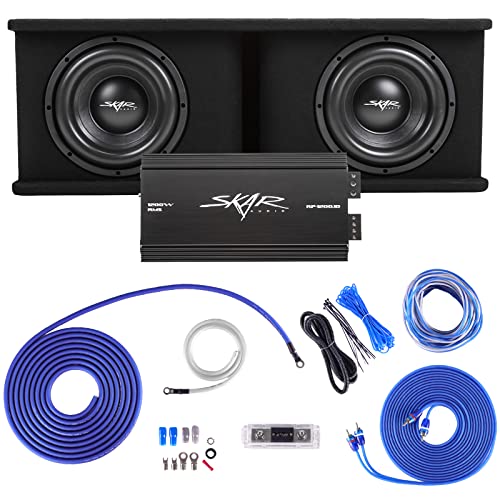
Skar Audio Dual 10″ SDR Bass Package

Pioneer MVH-S110BT Digital Media Car Stereo
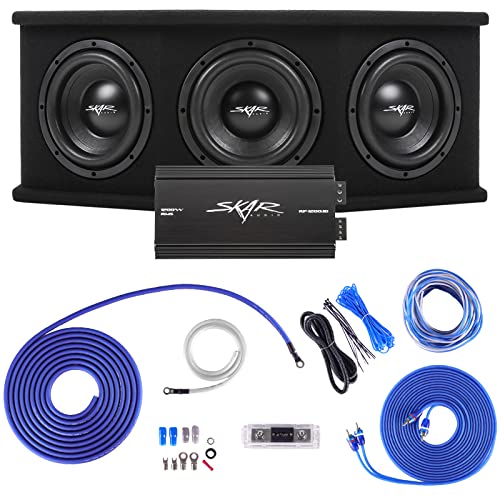
Skar Audio Triple 8″ SDR Bass Package

FOLTUSYMY 1200W 10″ Slim Under-Seat Subwoofer

Kissound 10.1″ QLED Double Din Car Stereo
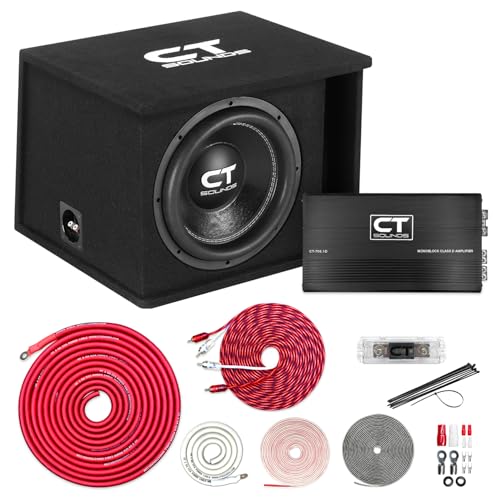
CT Sounds Single 12″ 1300W Bass Package
More Details On Our Top Picks
The single 8-inch enclosure keeps the footprint small, which matters in hatchbacks, sedans, and commuter cars where cargo space is already tight. In practice, that kind of package suits drivers who want fuller low end without turning the trunk into a permanent bass cabinet. The trade-off is straightforward, less cone area means less sheer output than the larger Skar options later in this list.
That smaller scale also makes it easier to place and easier to live with day to day, especially for a car that still has to carry groceries, luggage, or work gear. The loaded enclosure and amplifier pairing is the important part here, since it reduces the number of separate pieces to sort out during installation. The honest read is that this is the calmest route into a stronger stereo foundation.
Strong Points
- Single 8-inch format keeps the enclosure manageable in smaller trunks.
- Loaded-box design cuts down on separate component matching.
- Works well for daily commuting where space still matters.
- Cleaner install planning than piecing together a custom setup.
Things To Consider
- Smaller cone area limits deep bass volume versus larger packages.
- Trunk placement still needs enough open space around the enclosure.
- Added amplifier hardware means wiring needs a careful first pass.
Feature Snapshot
Who It Suits Best
Commuters and first-time bass upgrade shoppers with limited cargo room fit this package well.
Where A Sibling Pick Shines
Skar Audio Dual 10″ SDR Bass Package suits larger vehicles and drivers who want a heavier low-end presence.
Compared with the single 8-inch package, this dual 10-inch setup leans much harder into output and cabin fill. That larger enclosure will make more sense in SUVs, trucks, and sedans with a trunk that can spare the room, because the extra cone area usually brings more authority at lower frequencies. The trade-off is plain, the package asks for more space and a little more patience during installation.
That added scale pays off for long drives and for music styles that lean on kick drum and bass lines instead of just background warmth. A loaded enclosure keeps the system path simpler than building from separate pieces, though the physical size means storage access behind the seat or in the cargo area can become more limited. In this group, it stands closest to a true bass-focused upgrade.
What We Like
- Dual 10-inch design gives the system more low-end reach.
- Loaded enclosure reduces guesswork in system planning.
- Well suited to bigger cabins and larger cargo areas.
- Stronger fit for bass-heavy playlists and road-trip use.
Worth Noting
- Needs more installation space than the smaller Skar package.
- Larger enclosure can crowd cargo storage in compact vehicles.
- Setup takes more attention to placement and wiring.
Details At A Glance
Who Should Grab It
Truck and SUV owners looking for a stronger bass wall than a compact enclosure can provide fit this package best.
Another Choice May Suit
FOLTUSYMY 1200W 10″ Slim Under-Seat Subwoofer makes more sense for smaller cabins that cannot spare much cargo room.
Factory head units often leave the rest of the system underfed, and this 1-DIN digital media receiver is built to replace that weak link. The 50-watt-by-4 output rating describes four speaker channels with room for a basic front-and-rear setup, while Bluetooth and USB input cover everyday playback needs without extra clutter. That makes it a steady fit for older vehicles or simple builds where sound quality matters more than a giant touchscreen.
The lack of a disc slot keeps the face clean, which suits drivers who stream music from a phone and want fewer moving parts on the dash. The trade-off is obvious, this is a media receiver rather than a full entertainment command center, so it fits uncomplicated installs better than feature-dense custom dashboards. Pioneer’s layout should feel familiar to anyone replacing a stock radio for the first time.
Upsides
- Bluetooth and USB input handle common listening routines.
- 1-DIN size works in many older dash openings.
- 50W x 4 output supports a straightforward speaker setup.
- Good match for drivers who prefer a clean, simple interface.
Minor Gripes
- Single-DIN format gives up screen space to simpler controls.
- Media-first design may feel limited in more elaborate builds.
- Install quality still depends on vehicle harness fit and dash kit choice.
Quick Facts
Built With In Mind
Drivers updating an older car, or anyone who wants a straightforward receiver without extra bulk, fit this Pioneer well.
Look Elsewhere When
Kissound 10.1″ QLED Double Din Car Stereo suits shoppers who want a larger screen and more app-style control on the dash.
Three 8-inch drivers create a different balance than the single 8-inch Skar package above, since the layout spreads the work across more cones without jumping to the bulk of the dual 10-inch system. That can make sense in a midsize car or SUV where space matters but a more layered bass response still belongs in the plan. The 2,100-watt rating signals a stronger output target, though the practical result still depends on the vehicle and install path.
Owners who want punch and texture rather than just volume often gravitate toward this kind of multi-driver setup. The loaded enclosure keeps the package coherent, and that matters because three drivers in a ready-made box can be easier to place than a pieced-together custom build. The catch is simple, more drivers mean more box to manage during cargo loading and day-to-day access.
Best Bits
- Triple-driver layout spreads bass work across three 8-inch units.
- Loaded box format keeps the system package unified.
- Good middle ground between compact and oversized bass builds.
- Works well for listeners who want firmer bass texture.
Points To Note
- More enclosure bulk than a single 8-inch setup.
- Less space-friendly than the slim under-seat option.
- Best fit depends on having enough cargo room to spare.
Core Details
The Right Fit
Drivers who want a stronger bass stage without moving into oversized 10-inch territory fit this package well.
Swap It Out When
CT Sounds Single 12″ 1300W Bass Package is the better match for shoppers who want a simpler single-driver layout with a larger cone.
Some cabins simply do not have room for a large enclosure, and that is where a slim under-seat unit earns its place. The built-in amplifier and high or low level input support give it more installation flexibility than a basic passive box, which helps in trucks and compact cars that need bass without giving up storage. The blue LED lighting adds style, though it matters more to some dash setups than others.
The real appeal is how neatly it can disappear into daily use, leaving the cargo area clear for bags, tools, or gear. That convenience comes with the usual slim-subwoofer trade-off, output is shaped more by fit and placement than by brute enclosure size. For commuters and work vehicles, that compromise often makes sense.
Bright Spots
- Slim profile fits under-seat spaces many larger boxes cannot use.
- Built-in amplifier simplifies the overall system layout.
- High and low level input support broadens compatibility.
- Clear cargo space remains available after installation.
Softer Spots
- Limited cabinet size sets a ceiling on bass authority.
- Placement matters, especially in vehicles with low seat clearance.
- Blue LED styling may feel unnecessary in subdued interiors.
Feature Rundown
Whose Shelf It Belongs On
Drivers with compact cabins or limited trunk access fit this under-seat unit best.
Reach For A Different Pick When
FOLTUSYMY 1200W 10″ Slim Under-Seat Subwoofer fits less comfortably than Skar Audio Dual 10″ SDR Bass Package in larger vehicles that can spare the room.
This is the most screen-heavy option in the list, and that matters for drivers who want phone integration to sit at the center of the cabin. Wireless CarPlay and Android Auto point to a more modern workflow, while the 10.1-inch QLED display should feel more natural in a double-DIN dash opening than a tiny single-slot radio. The music-synced light bar adds flair, though not every interior needs that extra visual noise.
The dual subwoofer output and 240-watt rating make it more relevant to fuller audio builds than a bare-bones screen unit. Backup camera support and steering wheel control compatibility help it fit daily use better than a flashy but limited media display. Still, the larger interface asks for a dash that can actually accommodate it cleanly.
Highlights
- Wireless CarPlay and Android Auto support modern phone-based use.
- 10.1-inch QLED display gives the dash a larger visual center.
- Backup camera support adds everyday parking convenience.
- Dual subwoofer output helps in fuller audio builds.
Areas To Watch
- Double-DIN fit needs the right dash opening and trim.
- Light bar styling may feel busy in simpler interiors.
- More features usually mean more setup time at install.
Technical Sheet
Made For
Tech-forward drivers who want the stereo to act like a control hub fit this Kissound unit well.
Where Another Pick Suits Better
Pioneer MVH-S110BT Digital Media Car Stereo is the cleaner fit for a simpler dash that only needs core playback control.
A single 12-inch subwoofer usually strikes a familiar middle ground, more cone area than an 8-inch setup, less complexity than multi-driver boxes. That makes this CT Sounds package appealing for drivers who want stronger low-end weight without moving into the size and handling demands of the dual 10-inch Skar option. The loaded box and amplifier pairing keep the path to installation direct.
In practical terms, this package suits music that benefits from deeper kick and fuller bass lines on longer drives. The enclosure still takes real trunk space, so the fit works better in vehicles that can spare it than in tiny city cars. The honest read is that this is a sensible step up rather than a showpiece build.
Positives
- Single 12-inch format offers stronger bass presence than smaller drivers.
- Loaded subwoofer box keeps the system together in one package.
- Good middle ground for drivers moving past entry-level bass.
- Amplifier inclusion reduces the number of separate parts to source.
Small Caveats
- Still needs enough cargo room for the enclosure.
- Less discreet than the slim under-seat subwoofer.
- Single-driver layout favors simplicity over multi-driver spread.
Core Details
Best Suited To
Drivers who want a clear bass step up without jumping to a multi-sub enclosure fit this CT Sounds package well.
Not Your Match When
Skar Audio Single 8″ SDR Bass Package makes more sense for small vehicles where space matters more than output size.
How To Choose The Right Car Sound Systems
Match The Hardware To The Cabin
Cabin size changes everything. A single 8-inch bass package fits tighter trunks and smaller sedans, while dual 10-inch or triple-driver setups suit trucks and SUVs with more room to spare.
Dash size matters just as much for head units. A single-DIN receiver like the Pioneer keeps the install simple, while a 10.1-inch double-DIN screen asks for a matching opening and a cleaner trim fit.
Decide How Much Install Complexity Fits Your Plan
Loaded enclosures and built-in amplifiers reduce the number of separate parts to source, which keeps the project more orderly. That simplicity helps in garages where the goal is a clean weekend install rather than a custom audio build.
On the other hand, more features usually mean more wiring and more planning. Wireless phone integration, backup camera support, or multiple output paths can improve daily use, but they also reward a careful first pass at the dash.
Balance Output With Everyday Use
Bigger bass packages deliver more presence, yet they also take up more room and can be less convenient around luggage or work gear. Slim under-seat units sit on the opposite end of the scale, trading absolute depth for usable space.
That trade-off is worth weighing honestly. Long commutes, road trips, and shared family cars often benefit from gear that stays out of the way, while weekend drivers can justify more enclosure volume.
Look For Features That Fit How Music Actually Gets Played
Bluetooth, USB input, and smartphone integration matter because they shape daily use more than marketing language does. A receiver that lines up with phone habits ends up feeling smoother than a feature-stacked unit nobody wants to learn.
For drivers who run subwoofers, dual outputs and amplifier pairing are worth attention. Those details help the system stay coherent instead of sounding like a collection of mismatched parts.
What To Weigh Before You Decide
Common Shopping Slip Ups
Space gets overlooked most often. A bass enclosure can look manageable in a listing photo and still crowd cargo access once it lands in the vehicle.
Compatibility slips cause trouble too, especially with dash size, wiring harnesses, and speaker output expectations. Matching the unit to the car’s layout avoids a lot of frustration later.
What The Higher Tier Buys
More expensive units usually buy larger screens, stronger output, better connectivity, or a more complete installation package. In this category, those additions matter most for drivers who use the system every day instead of only on weekends.
That extra spend makes sense when the vehicle has the room and the plan is a long-term setup. For a basic commuter, simpler gear often covers the need without the added bulk or setup effort.
Frequently Asked Questions
What matters most in car sound systems for daily driving?
Fit, source compatibility, and everyday controls matter most. A system that lines up with the vehicle and the way music is played usually feels better than one loaded with unused features.
Is a loaded subwoofer package easier to install?
Usually yes, since the enclosure and amplifier are already paired. That still leaves wiring and placement to handle, so a neat install depends on the vehicle layout.
Do bigger subwoofers always sound better?
Not always, because enclosure size and cabin space change the result. Larger units bring more output potential, but compact vehicles may benefit more from a smaller, better-fitting setup.
What’s the advantage of a double-DIN stereo?
A double-DIN unit gives room for a larger display and more on-screen control. That suits drivers who want phone integration or camera support in a more central dashboard role.
Can a slim under-seat subwoofer replace a large box?
It can cover the need for stronger bass in tight spaces. It won’t match the sheer presence of a larger enclosure, but it keeps the cabin more usable.
Closing Thoughts
Car sound systems work best when the gear matches the cabin, the dash, and the way the vehicle gets used every day. The Skar Audio packages suit drivers who want enclosed bass without building from scratch, while Pioneer and Kissound speak more to front-end control and smart connectivity. FOLTUSYMY is the practical space saver, and CT Sounds sits in the middle for a cleaner single-12-inch step up. A good match here is less about chasing more hardware, and more about choosing the setup that fits the car without fuss.