


Factory speakers often leave a system sounding thin, especially in older cars and trucks with worn door panels or limited head-unit power. Car Speaker Replacements with the right size, impedance, and efficiency can restore clarity without turning the install into a weekend ordeal. This shortlist focuses on common fit patterns, from 4-inch factory slots to 6×9 and 6.5-inch door openings, so routine upgrades stay practical.
Quick Look At Our Top Picks

PIONEER F-Series TS-F6935R 6″ x 9″ 3-Way Coaxial Car Speakers 230W Max

Pioneer F-Series TS-F1035R 4″ 2-Way Coaxial Car Speakers 150W Max
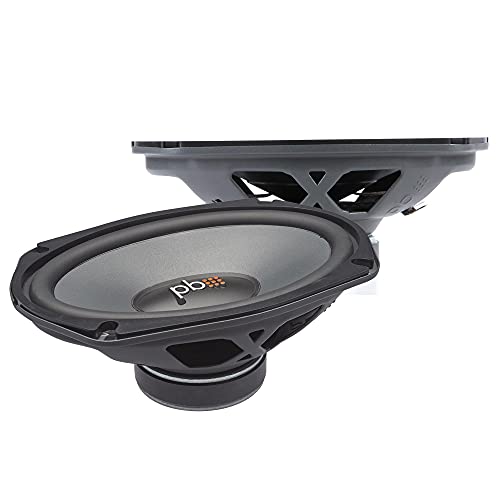
PowerBass OE-690D 6″ x 9″ 3-Way Speakers 100Wrms / 300Wmax (2-Ohm) Pair
6.5″ Coaxial Car Speakers 1000W Max Power 250W RMS 4 Ohm
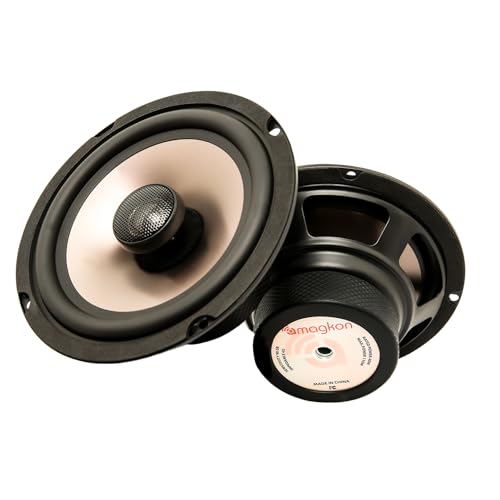
6.5″ 2-Way Coaxial Car Speakers 1000W Max 4 Ohm Full Range Pair
More Details On Our Top Picks
6×9-inch speakers suit many rear decks and larger factory openings, and this Pioneer set leans toward broad, even playback rather than flashy tuning. The coaxial layout keeps the high, mid, and low ranges in one assembly, which helps simplify replacement in a daily driver with worn original units.
High-efficiency design matters in cars that still run the stock head unit, since it usually asks less of the built-in amp than heavier-demand setups. The trade-off is straightforward, these speakers make more sense for clean replacement work than for a bass-first build.
What We Like
- 3-way coaxial layout helps keep vocals, instruments, and treble separated more cleanly.
- 6×9 format suits many rear deck and door applications, which makes planning easier.
- High-efficiency behavior fits stock power better than many more demanding upgrades.
- Good for commuters who want a calmer, clearer cabin without reworking the whole system.
Points To Note
- Size fit still needs checking, since 6×9 openings are not universal.
- Listeners chasing heavy low-end output may want a different route.
Feature Rundown
Who It Suits Best
Drivers replacing tired factory 6×9 speakers in sedans or coupes will get the most practical value here.
A Better Fit Elsewhere
Pioneer F-Series TS-F1035R makes more sense for compact factory openings, especially in smaller cars with 4-inch locations.
Small factory openings often leave little room for experimentation, and that is where this 4-inch Pioneer set fits neatly into the conversation. A 2-way design means the speaker handles bass and midrange with a separate tweeter for higher frequencies, which keeps the setup simple for older dashboards or rear pods.
That size advantage also sets the limit, since compact speakers rarely deliver the same full-bodied sound that larger 6.5 or 6×9 options can reach. Still, for a commuter car with thin original paper cones, the swap can make daily music far easier to live with.
Bright Spots
- 4-inch sizing works well for tight OEM locations.
- Two-way layout keeps the design straightforward for routine replacement work.
- Lower power demand usually pairs more easily with stock audio systems.
Small Caveats
- Smaller cone area usually means less body in the low end.
- Installation fit still depends on the exact factory opening.
- Listeners wanting fuller cabin sound may prefer a larger speaker size.
Core Details
Who Will Love This
Owners of older compact cars and small factory systems will appreciate the easy fit and simple upgrade path.
Another Choice May Suit
PowerBass OE-690D works better for larger openings and more ambitious sound goals in 6×9 locations.
PowerBass takes a more serious angle than the Pioneer 6×9 set above, especially with the 2-ohm load, which changes how the speaker behaves with compatible systems. In plain terms, lower impedance means the amplifier sees less electrical resistance, so the setup can draw more output from the right gear.
That makes this pair a better match for owners who care about stronger system response and already know their wiring and amp pairing can support it. The honest read is that it suits a more involved install than a simple swap in a tired commuter sedan.
Reasons To Buy
- 2-ohm design can suit systems built for stronger output.
- 6×9 format keeps it relevant for common factory replacements.
- 3-way layout helps separate the frequency bands in a useful way.
- Works well for cars where a more assertive upgrade makes sense.
- Good stepping stone for enthusiasts who want more from existing hardware.
Areas To Watch
- 2-ohm matching needs checking before installation.
- Not the easiest choice for a basic stock-only system.
- As with most 6×9 speakers, mounting fit still deserves a close look.
Details At A Glance
Whose Shelf It Belongs On
Enthusiasts upgrading a compatible amplifier-driven setup will get the most from this pair.
Look Elsewhere When
PIONEER F-Series TS-F6935R is the simpler fit for stock-power replacements where compatibility matters more than output tuning.
Older cars often need a straightforward door-speaker swap, and this 6.5-inch pair is pitched squarely at that job. The coaxial layout keeps the driver count inside one unit, so the install story stays simpler than a more layered component setup.
The 4-ohm load is a familiar match for many factory and aftermarket head units, which helps make the upgrade feel less complicated on paper. One thing worth considering is the way this model leans into everyday practicality rather than a heavily shaped sound signature.
Upsides
- 6.5-inch format is common in door replacements.
- 4-ohm design matches many standard car audio systems.
- Coaxial construction keeps the upgrade process uncomplicated.
- 250W RMS gives a useful reference point for steady power handling.
Things To Consider
- Door depth and mounting pattern still need confirmation.
- The broad claims around power do not remove the need for a sensible source unit.
- Owners wanting a highly tailored sound profile may want a more specialized design.
Feature Snapshot
Built With In Mind
Daily drivers with older factory speakers and standard 6.5-inch doors are the most natural match.
Where A Sibling Pick Shines
Pioneer F-Series TS-F1035R works better in smaller cabins or tight 4-inch openings that need a compact footprint.
Amagkon leans into the practical side of 6.5-inch replacements with an aluminum cone, which usually points toward a stiffer moving surface and a cleaner response than softer-budget materials. In most cars, that sort of construction matters more than headline power, because daily use depends on how the speaker handles routine volume and long commutes.
The listed 91dB sensitivity is especially relevant, since sensitivity shows how efficiently a speaker turns power into sound. That means this pair suits a stock or lightly upgraded system better than a heavy-amp project, and the 50 to 20KHz range gives a useful clue about its intended full-range role.
Best Bits
- Aluminum cone gives the build a more structured feel.
- 91dB sensitivity supports easier drive from modest head units.
- 50 to 20KHz range covers a broad listening band.
- 6.5-inch format stays familiar for many door swaps.
- Good match for old cars and trucks that need a no-amp approach.
Honest Caveats
- Power claims still need to be read alongside system matching.
- Door fit and mounting depth remain the usual install variables.
- Listeners after very heavy bass will likely want extra support elsewhere.
Key Specs
Perfect Match For
Drivers replacing old door speakers in trucks, older sedans, or modest systems will find the balance of sensitivity and size appealing.
Swap It Out When
PowerBass OE-690D is the stronger route for 6×9 locations and more assertive amplifier pairing.
How To Choose The Right Car Speaker Replacements
Match The Size Before The Specs
Fit comes first in car audio, because the wrong size turns a simple refresh into a trim-panel puzzle. Common factory footprints include 4-inch dash units, 6.5-inch door speakers, and 6×9 rear-deck openings, and each one changes how much bass and body the cabin can carry.
Mounting depth matters too. Shallow baskets tend to avoid window-regulator conflicts, while deeper frames can deliver more room for the motor structure but need more clearance behind the panel.
Check Impedance And Power Together
Impedance, measured in ohms, tells the head unit or amplifier how much electrical load the speaker presents. A 4-ohm speaker is the most familiar fit for many systems, while a 2-ohm model can be a stronger match for setups designed around lower resistance.
Power handling works beside that number, not apart from it. RMS, or continuous power, gives a steadier guide than max power, which is better read as a ceiling than a daily-use target.
Think About Sensitivity And Daily Use
Sensitivity shows how much sound a speaker can make from a given amount of power. Higher sensitivity usually helps in older cars with stock head units, where the amplifier section has limited headroom and the cabin already brings its own road noise.
That matters most for commuters and road-trippers who want clearer music without extra gear. A sensitive speaker can feel easier to live with, even when the rest of the system stays simple.
Choose Build Style For The Kind Of Listening Needed
Coaxial speakers place multiple drivers in one frame, which keeps replacement straightforward and works well for many factory upgrades. Component systems separate parts, but that extra complexity only makes sense for more custom builds and careful tuning.
For everyday driving, coaxial designs usually cover the basics with less hassle. The more specialized the listening goal, the more the rest of the system starts to matter.
What To Weigh Before You Decide
Common Shopping Slip Ups
Many swaps go sideways because the opening was measured only by name, not by actual depth and mounting pattern. Another common miss is pairing a speaker with the wrong impedance, which can make a simple upgrade behave awkwardly with the rest of the system.
Speaker style matters as well. A 4-inch replacement can fit neatly into a small factory slot, but expecting it to sound like a 6×9 in a larger cabin sets the wrong expectation from the start.
The Upgrade Payoff
More expensive models often use better cone materials, stronger surrounds, and more refined driver layouts. Those details usually cost more because they take more parts, tighter assembly, and more design work to keep the speaker composed at higher volume.
The upgrade makes the most sense for drivers who keep the car for years or spend a lot of time on the road. A quieter cabin, a better source unit, or a larger opening can justify the step up faster than a basic city runabout.
Frequently Asked Questions
Are 6×9 speakers better than 6.5-inch speakers?
Neither size is automatically better, since the right choice depends on the vehicle opening and the sound balance needed. A 6×9 usually brings more cone area, while a 6.5-inch speaker is easier to fit into many door locations.
What does 2-ohm mean in a car speaker?
Two ohms means the speaker presents a lower electrical load than a 4-ohm model. That can suit certain audio systems well, but the rest of the setup needs to be compatible.
Can stock head units run replacement speakers?
Many stock head units can run replacement speakers, especially models with higher sensitivity. Efficiency matters because weak source power leaves less room for wasted demand.
Why does sensitivity matter so much?
Sensitivity shows how easily a speaker turns power into sound. Higher sensitivity usually helps in older cars where the factory stereo has limited output.
Is coaxial the right style for most upgrades?
Coaxial speakers suit many routine replacements because they keep several drivers in one assembly. That layout simplifies installation and usually fits everyday listening well.
Closing Thoughts
The cleanest replacement choice depends less on hype and more on fit, load, and cabin size. Pioneer’s 6×9 and 4-inch sets cover the common factory lanes, PowerBass leans harder into output-minded systems, and the two 6.5-inch options suit straightforward door swaps. For older cars, daily commuters, and trucks that need clearer sound without a full system rebuild, the right match is usually the one that fits the opening and the power source with the least drama.