


Car audio upgrades often stall at the cable stage. The right speaker wire keeps installs tidy, reduces confusion at the terminals, and fits the space available behind trim, through doors, or across a home theater rack.
This roundup focuses on gauge, conductor material, length, and practical handling details. Shorter runs suit compact installs, while longer spools help with full vehicle systems or whole-room setups where neat routing matters.
The Shortlist At A Glance

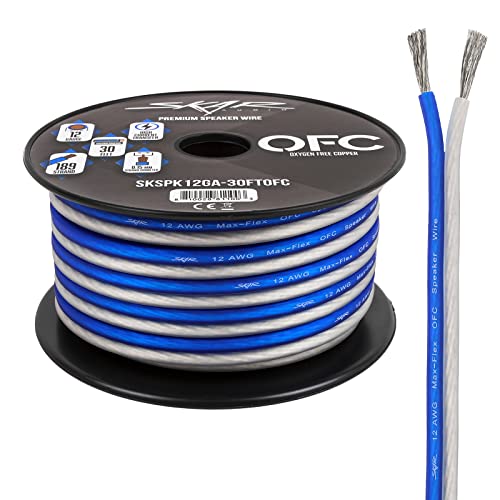
Skar Audio 12 Gauge Elite OFC Wire 30 Feet

Skar Audio 12 Gauge Audio Speaker Wire 100 Feet

DS18 SW-16GA-100RB Ultra Flex Speaker Wire 100 Ft

Skar Audio 14 Gauge Elite OFC Wire 30 Feet

GEARit 14 Gauge Speaker Wire 500FT Black
More Details On Our Top Picks
Install Link keeps the brief simple, a 16-gauge, 2-conductor spool with frosted red and black insulation. That color split helps at terminals and makes polarity tracing less fussy during a dash or shelf install.
The 30-foot length fits compact car audio work and modest home theater runs, while the copper-clad aluminum build keeps cost down compared with all-copper wire. The trade-off is straightforward, CCA is a value move, not the right match for every high-demand layout.
What We Like
- 16-gauge size suits many standard speaker runs.
- Red and black jacket colors simplify channel tracking.
- Stranded construction adds flexibility around bends and trim.
- 30 feet works for small to mid-size projects.
- CCA construction keeps the wire budget conscious.
Things To Consider
- CCA is less appealing than copper for demanding systems.
- Shorter length limits larger vehicle or whole-room layouts.
- Frosted jacket styling may not matter in hidden runs.
Core Details
Who It Suits Best
DIY installers handling a compact car audio or small home theater setup will get the most from this length and gauge.
Where A Sibling Pick Shines
GEARit 14 Gauge Speaker Wire 500FT Black suits larger planning jobs that need far more line to cover multiple rooms or a full vehicle.
This Skar Audio spool moves up to 12 gauge, so it gives a thicker path than the Install Link 16-gauge pick above. Oxygen-free copper, often shortened to OFC, means the conductor is made from copper without the aluminum mix seen in CCA options.
That matters most in compact runs where a little extra conductor quality feels worth the step up, especially for car doors or short home audio routes. The blue and white jacket also keeps channel identification simple, though the 30-foot length still favors smaller projects rather than full-room sprawl.
Bright Spots
- OFC construction gives a more premium material profile.
- 12-gauge thickness suits many demanding short runs.
- Blue and white coloring makes channel tracing cleaner.
- 30-foot spool works well for targeted installs.
Worth Noting
- Shorter length can run out fast in larger vehicles.
- 12 gauge may feel more rigid than 14 gauge in tight bends.
- The premium material choice raises expectations for careful termination.
Feature Snapshot
Who Will Love This
Installers who want a thicker copper wire for a short, clean route will find this a strong fit.
Swap It Out When
Skar Audio 14 Gauge Elite OFC Wire 30 Feet makes more sense for a slightly lighter, more flexible balance in modest everyday setups.
Length is the story here, and the 100-foot spool gives this Skar Audio wire a very different job from the 30-foot versions above. That extra reach helps in living-room systems, garage layouts, and larger car builds where routing tends to take a few more turns.
It keeps the same 12-gauge format as the shorter Skar cable, so the value comes from coverage rather than a different conductor class. For longer installs, that can save a great deal of patchwork, though trimming and storing leftover wire takes a little planning.
Upsides
- 100-foot length suits broader projects and multi-zone routing.
- 12-gauge wire works for many common speaker paths.
- Blue and brown coloring helps separate conductors.
- Spool length reduces the need for add-on cable.
- Handy for installers who like one continuous run.
Areas To Watch
- Long spool can be more cable than a small job needs.
- Storage and cutting take a bit more attention with bulk wire.
- The brown accent may blend into darker interiors.
Details At A Glance
Perfect Match For
Home-theater hobbyists and custom installers needing one long spool for several runs are the clear fit here.
Consider Something Else When
Install Link 16 AWG Speaker Wire 30 Feet suits smaller, more contained jobs where a shorter length feels easier to manage.
DS18 takes a different angle from the Skar 12-gauge spool, leaning on 16-gauge stranded wire in a 100-foot roll. The brand also calls out copper-clad aluminum, a CCA format that keeps the wire more economical than oxygen-free copper.
Flexibility is the main draw, especially for custom routing through tight spaces, panels, or longer home runs that need a smoother bend. The honest read is that it makes the most sense where easy handling matters more than stepping up to a purer copper conductor.
Best Bits
- Ultra-flex construction helps in tight routing paths.
- 100-foot spool suits larger installation plans.
- 16-gauge size stays familiar for common speaker work.
- Red and black coloring keeps polarity obvious.
- CCA format keeps it lighter on the wallet.
Small Caveats
- CCA is a trade-off versus pure copper options.
- 16 gauge may feel light for some heavier-duty layouts.
- The 100-foot spool requires space for storage and cutting.
Quick Facts
Made For
DIY installers who want a flexible 100-foot cable for custom vehicle or room layouts will appreciate this one.
Where A Sibling Pick Shines
Skar Audio 12 Gauge Audio Speaker Wire 100 Feet suits projects that place more weight on thicker copper than on ultra-flex handling.
This 14-gauge Skar Audio spool sits in a useful middle ground between the thinner 16-gauge options and the thicker 12-gauge cable above. Oxygen-free copper gives it a more premium conductor profile, while the 30-foot length stays friendly to short and moderate runs.
In everyday car audio work, that balance tends to make sense for doors, rear speakers, and smaller home setups where flexibility still matters. It does ask for a little more planning than a color-coded bulk reel, but the trade-off is a cleaner, more focused spool size.
Positives
- 14-gauge sizing balances flexibility and conductor size.
- OFC construction gives a cleaner material profile than CCA.
- 30 feet suits everyday stereo and car audio jobs.
- Blue and white jacket helps with quick identification.
Minor Gripes
- Shorter spool limits larger room-wide projects.
- Some installs will still prefer 12 gauge for longer paths.
- The blue and white colorway may not blend into every interior.
Core Details
Whose Shelf It Belongs On
Compact audio projects and routine car speaker upgrades are the strongest fit for this mid-gauge spool.
Another Choice May Suit
Install Link 16 AWG Speaker Wire 30 Feet works better for simpler, lower-commitment installs that do not need the same conductor grade.
GEARit is the bulk option in this group, and the 500-foot reel changes the conversation from single runs to whole-project planning. Foot markers and polarity marking help keep long cuts organized, which matters in garages, workshops, or larger DIY audio layouts.
Like the Install Link and DS18 picks, this wire uses a CCA build rather than pure copper, so the appeal is coverage and convenience rather than a premium conductor story. For sizable installs, that combination can be useful, though smaller jobs may leave too much spool sitting on the shelf.
Highlights
- 500-foot length suits large or repeated projects.
- Foot markers make measurement faster and cleaner.
- Polarity markings help reduce install mistakes.
- 14-gauge size works for many standard audio layouts.
- Black jacket keeps the reel visually simple.
Points To Note
- Bulk length is unnecessary for small repairs.
- CCA keeps it in a value-focused material class.
- Large spools take more storage space and handling room.
Feature Rundown
Built With In Mind
DIY installers planning several rooms, a large garage setup, or repeated audio jobs will get the most from this reel.
Look Elsewhere When
Skar Audio 14 Gauge Elite OFC Wire 30 Feet is a neater fit for small, contained upgrades that do not need bulk length.
How To Choose The Right Car Speaker Wires
Gauge And Run Length Work Together
Gauge means wire thickness. Lower numbers indicate thicker wire, so 12 gauge generally suits longer or more demanding runs better than 16 gauge, while 14 gauge lands in the middle for many everyday installs.
Length matters just as much. A 30-foot spool is tidy for a pair of car doors or a small stereo setup, while 100 feet or 500 feet makes more sense for larger systems, custom routing, or multiple rooms.
Conductor Material Sets The Tone
Oxygen-free copper, or OFC, uses copper without the aluminum blend found in copper-clad aluminum. That usually makes it the more premium choice for shoppers who want a cleaner conductor profile and are willing to pay for it.
CCA is the value play. It can work well for everyday speaker wiring, though larger or more demanding systems often push people toward OFC for the added material quality.
Color Coding Saves Time During Installation
Red and black, blue and white, or blue and brown jackets all help keep polarity obvious. Polarity is simply the positive and negative orientation of the speaker run, and keeping that straight avoids confusion when several cables cross behind a dash or shelf.
Marked jackets and foot markers also help with measurement. That matters in long DIY jobs, where a small labeling advantage can trim a lot of second-guessing later.
Things Worth Knowing First
Mistakes Worth Dodging
Gauge mismatch causes a lot of frustration. Thin wire can be fine for short paths, but it stops feeling practical once the run gets longer or the install grows more complex.
Another common miss is buying too little length. Short spools are neat, yet they can force awkward joins that complicate an otherwise clean setup.
The Upgrade Payoff
Higher-tier wire often pays for thicker copper, cleaner conductor quality, or better handling in tight bends. Those upgrades cost more because material quality and spool size both push the price structure upward.
That step up matters most in long runs, custom installs, or systems where consistent routing is worth the extra spend. In compact jobs, the premium often feels less necessary.
Frequently Asked Questions
What gauge works best for car speakers?
14 gauge suits many everyday car audio runs. 12 gauge is the stronger call for longer paths or more demanding routing.
Is OFC better than CCA?
OFC uses copper throughout the conductor, while CCA uses a copper coating over aluminum. OFC is the more premium material choice, while CCA usually targets budget-conscious installs.
How much wire does a typical install need?
Short speaker upgrades can work with 30 feet. Larger systems and bulk projects usually need much more.
Why do some wires have color markings?
Color helps track polarity and separate channels during installation. That makes routing easier in cramped spaces or complex setups.
Do thicker speaker wires always sound better?
Thicker wire can help on longer runs, but size alone does not solve every install issue. Matching gauge and material to the job matters more than chasing thickness alone.
Closing Thoughts
Car speaker wire seems simple until the install starts, and then length, gauge, material, and polarity all matter at once. Short runs do well with tidy 30-foot spools, while larger audio plans benefit from 100-foot or 500-foot reels that reduce stops and starts. OFC suits people who want a more premium conductor, and CCA stays sensible for straightforward value-driven jobs. The cleanest choice is the one that matches the route already behind the trim.