


Car audio upgrades often start with bass because weak low end makes even a decent stereo feel thin. The seven picks below cover factory replacement coaxials, higher-output midrange options, and a sound bar for open vehicles, so different cabins and listening habits are covered without guesswork.
Some models lean toward clean kick drum impact, while others are better for fuller road noise compensation or broad OEM replacement. The trade-off always comes back to fit, speaker size, and how much power the system can realistically feed.
Quick Shortlist For Stronger Bass Response

ORION Cobalt CM654 High Efficiency 6.5″ Mid-Range Bullet Loudspeakers
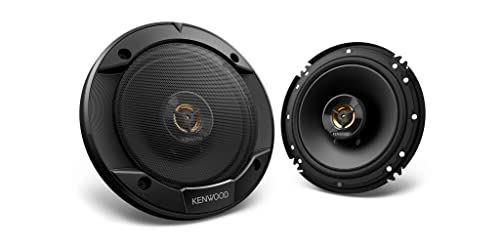
Kenwood KFC-1666R Road Series Car Speakers (Pair)
JBL GTO629 Premium 6.5-Inch Co-Axial Speaker

PIONEER F-Series TS-F6935R 6″ x 9″ 3-Way Coaxial Car Speakers 230W Max

CT Sounds Meso 6.5” 300 Watt 2-Way Premium Coaxial Car Speakers

JBL GTO629 6.5″ Grand Touring Series Car Audio Speakers

More Details On Our Top Picks
ORION’s 6.5-inch bullet-format design leans toward strong forward projection, which matters in custom car audio builds that need clarity over distance. The 1.5-inch voice coil helps explain why this pick belongs near the loud end of the list, though it’s less of a casual factory swap than Kenwood or Pioneer.
In a trunk setup, a doorless project, or a system built around external amplification, that high-efficiency approach can make sense fast. The honest trade-off is simple, it’s built for purpose-driven installs rather than subtle, all-around tuning.
Strong Points
- High-output design suits louder custom systems.
- 1.5-inch voice coil supports strong power handling.
- 4-ohm load fits many common car audio layouts.
- Best for drivers who want pronounced midrange presence.
Things To Consider
- Bullet-style speakers are a niche fit, not a universal factory replacement.
- Plain maintenance still matters, especially in dusty or open installs.
- Less suited to shoppers seeking a soft, balanced all-purpose sound.
Feature Snapshot
Who It Suits Best
Custom audio builders and enthusiasts running amplified systems benefit most from this ORION set.
A Better Fit Elsewhere
Kenwood KFC-1666R Road Series Car Speakers (Pair) suits drivers who want a more conventional door-speaker path.
Kenwood keeps this one grounded in a familiar 6.5-inch coaxial format, so it fits the kind of upgrade many daily drivers need without changing the cabin layout much. The cloth woofer and balanced dome tweeter point toward even response, which usually matters more than raw volume in a commuter car.
That makes it a sensible step up from weak factory speakers, especially for long highway runs where thin bass can make music feel unfinished. The trade-off is that this is still a straightforward pair, so shoppers chasing the more aggressive character of ORION’s bullet-style set will likely want a different lane.
What We Like
- 6.5-inch size suits many standard door openings.
- Two-way layout keeps the sound path simple.
- Cloth woofer adds a familiar, practical material choice.
- Balanced dome tweeter helps treble stay even.
Room For Improvement
- Power figures vary by fitment note, so system matching still matters.
- Less specialized than the louder, more aggressive ORION option.
- Best results usually come with a proper install, not a rushed swap.
Core Details
Made For
Daily commuters and first-time upgraders looking for a sensible factory replacement fit this Kenwood pair well.
Whose Shelf It Belongs On
CT Sounds Meso 6.5” 300 Watt 2-Way Premium Coaxial Car Speakers suit listeners who want a more enthusiast-leaning setup.
The JBL GTO629 sits in the middle of the pack in a useful way, because it aims for a more polished listen without pushing into specialty territory. Compared with the Kenwood pair, it reads like a step toward a cleaner overall presentation, especially for music libraries that lean on bass lines instead of just loudness.
That balance suits long commutes, mixed playlists, and anyone replacing tired stock speakers one axle at a time. The catch is that the word “premium” here should be read as refinement, not a promise of huge cabin-shaking output.
Upsides
- Coaxial layout keeps installation straightforward.
- Compact 6.5-inch format fits common upgrade paths.
- Set of two works well for a matched front or rear pair.
- Good fit for listeners who want bass with cleaner edges.
Points To Note
- Sound character depends on the rest of the system.
- Not as specialized for loud installs as ORION’s bullet speaker.
- Owners usually get the best result from careful placement and tuning.
Details At A Glance
Right Fit For
Drivers who want a cleaner tonal upgrade without moving to a more complicated build will get the most from this JBL set.
Another Choice May Suit
PIONEER F-Series TS-F6935R 6″ x 9″ 3-Way Coaxial Car Speakers 230W Max fits larger factory openings more naturally.
Pioneer’s 6 x 9 format is the kind of shape that matters before sound even enters the conversation, because many rear decks and larger door openings are built around it. The 3-way layout splits the work across multiple drivers, which can help keep the highs smooth while leaving room for fuller low-end punch than a smaller unit.
That makes it a strong factory replacement candidate for sedans and hatchbacks with the right opening size. Compared with the 6.5-inch JBL and Kenwood picks, this one brings more physical surface area into play, though installation fit becomes the deciding factor.
Best Bits
- 6 x 9 size suits many OEM rear-deck locations.
- Three-way layout spreads the audio workload.
- Balanced sound profile fits everyday listening.
- High-efficiency design suits factory power conditions.
Softer Spots
- Only works well where 6 x 9 openings exist.
- Three-way designs add complexity compared with simpler coaxials.
- Installation depth and mounting fit still need attention.
Core Details
Built With In Mind
Drivers replacing worn OEM 6 x 9 speakers in family sedans or hatchbacks will find this Pioneer pair especially relevant.
Skip It When
JBL GTO629 Premium 6.5-Inch Co-Axial Speaker is the cleaner choice for cars that only accept standard 6.5-inch openings.
CT Sounds takes the familiar 6.5-inch coaxial route but aims it at listeners who want more substance than a basic replacement usually offers. The 300 watt rating signals a higher-output profile than the standard commuter fare, and that usually appeals to systems where bass definition matters as much as volume.
Compared with the Kenwood or JBL options, this one feels more tuned for an enthusiast build than a simple stock refresh. The honest read is that it rewards a careful install and a system that can actually give it room to breathe.
Reasons To Buy
- 300 watt rating points to stronger output headroom.
- Two-way coaxial setup keeps the package compact.
- 6.5-inch frame fits a common upgrade slot.
- Good match for systems that need firmer low-end presence.
Minor Gripes
- Less plug-and-play in feel than a basic OEM swap.
- Performance depends heavily on the surrounding system.
- Enthusiast-oriented tuning may feel too direct for laid-back listening.
Quick Facts
Whose Shelf It Belongs On
Audio hobbyists and commuters who want a firmer bass response from a 6.5-inch opening are the strongest match here.
Look Elsewhere When
PIONEER F-Series TS-F6935R 6″ x 9″ 3-Way Coaxial Car Speakers 230W Max makes more sense for larger OEM cutouts.
This newer JBL Grand Touring version stays in the same useful 6.5-inch lane, but it presents itself as a more modern replacement path. The factory-sized framing matters for owners who want a cleaner swap without drifting into custom fabrication, and the included cleaning cloth is a small but practical touch.
Compared with the older JBL GTO629 set above, this one looks aimed at shoppers who want the same basic category with a fresher kit and slightly more output headroom. It’s a sensible step up for drivers replacing worn speakers in cars that spend a lot of time on rough roads or long commutes.
Highlights
- Factory-sized replacement approach simplifies fit planning.
- Two-way design keeps installation straightforward.
- 360 watt max rating suggests stronger output headroom.
- Cleaning cloth adds a small ownership convenience.
Areas To Watch
- Still depends on the rest of the system for bass impact.
- Less expansive than a larger 6 x 9 speaker.
- As with most door speakers, fit and sealing matter more than specs alone.
At A Glance
Best Suited To
Drivers who want a straightforward factory-size upgrade with a little more headroom fit this JBL set well.
Where A Sibling Pick Shines
JBL GTO629 Premium 6.5-Inch Co-Axial Speaker suits anyone who wants the simpler older sibling from the same family.
The Ehaho sound bar is the outlier here, and that’s useful because open vehicles need a different solution from sealed-cabin car speakers. With six speakers, Bluetooth, EQ control, party mode, an RF remote, AUX input, RGB lighting, and IP66 water resistance, it’s built for carts and side-by-sides where compact weather-ready audio matters.
Compared with the door speakers above, it’s less about subtle bass texture and more about broad, outdoor-friendly coverage. For Polaris RZR, Can-Am, or CFMoto owners, that makes it a far more direct fit than any traditional coaxial pair.
Positives
- Six-speaker layout helps spread sound across open spaces.
- Bluetooth and AUX give flexible source options.
- RGB lighting and party mode suit social off-road use.
- IP66 rating supports use around dust and water exposure.
- RF remote adds convenient control from the seat.
Worth Noting
- Built for UTVs and carts, not standard car doors.
- Open-air listening changes how bass feels versus a sealed cabin.
- Lighting and extra features add complexity that some drivers won’t need.
Feature Rundown
Who Should Grab It
UTV, golf cart, and side-by-side owners who need rugged open-air audio will get the most value from this Ehaho bar.
Consider Something Else When
PIONEER F-Series TS-F6935R 6″ x 9″ 3-Way Coaxial Car Speakers 230W Max is the better fit for enclosed cars and OEM-sized speaker bays.
How To Choose The Right Car Speakers With Good Bass
Match Speaker Size To The Opening
Speaker size decides fit before anything else, and that matters more than flashy wattage on a product page. A 6.5-inch coaxial like the Kenwood, JBL, or CT Sounds models suits many standard doors, while a 6 x 9 Pioneer fits larger factory openings with more cone area. Larger cone area usually helps low-end presence, but only where the mounting cutout and depth allow it.
Bullet-style speakers change the equation again, because ORION’s mid-range focus favors custom builds rather than direct door replacement. That kind of design can sound forceful, yet it belongs in systems planned around amplification and open mounting. For most daily cars, a conventional coaxial speaker is easier to live with.
Read Power And Impedance Together
Power handling describes how much energy a speaker can work with, while impedance, measured in ohms, affects how the electrical load behaves in the system. A 4-ohm speaker, such as several picks here, stays close to standard car-audio compatibility and helps keep matching simple. Higher power handling can bring more headroom, but only when the rest of the system can supply it cleanly.
That’s why a 300 watt rating can mean different things across installs. In a commuter car with a stock head unit, the gain may be modest; in an amplified setup, the same figure becomes more meaningful. The practical move is to match the speaker to the system already in the car, not the other way around.
Choose Sound Character For The Cabin
Cabin size and noise level shape how bass is perceived. In a compact sedan, a balanced coaxial can feel fuller than expected, while in a larger SUV or an open UTV, low end disperses faster and needs more output or a different enclosure style. That’s why the Ehaho sound bar belongs to a different use case entirely, even though it still plays into the bass conversation.
For road-focused listening, a smoother option like JBL or Pioneer often makes more sense than a very aggressive driver. Clean bass usually matters more than sheer quantity once highway noise enters the mix. A speaker that stays controlled at normal volume tends to age better in daily use than one that only sounds impressive when pushed hard.
Plan For Installation And Long-Term Use
Installation depth, mounting pattern, and access behind the panel often decide satisfaction more than the headline spec sheet. Shoppers who want a quick refresh usually benefit from a factory-size 6.5-inch or 6 x 9 replacement, while custom builds can accept more unusual formats. Dust, sun exposure, and repeated door vibration also influence how long a speaker feels fresh in daily service.
Ownership is easier when the speaker choice matches the vehicle’s actual role. Commuters, weekend drivers, and off-road users need different levels of durability, control, and tuning flexibility. That’s the practical side of getting good bass, it starts with fit and ends with how the system is used every day.
What To Weigh Before You Click
Mistakes Worth Dodging
One common slip is choosing by wattage alone. A high number looks impressive, but the enclosure, head unit, and speaker size all shape what reaches the cabin.
Another issue is ignoring fit depth and cutout shape, especially in older cars. A 6 x 9 speaker can bring more low-end body, yet it is useless in a door built for 6.5-inch hardware.
The Upgrade Payoff
Higher-tier models usually cost more because of the materials behind the cone, the magnet structure, and the tuning work that keeps sound stable at higher output. That extra engineering is what helps a speaker stay composed instead of sounding strained as volume rises.
The upgrade tends to make sense for long-distance commuters, music-focused drivers, and vehicles with weak factory audio. In those cases, better control and fuller bass are worth more than the bare minimum of a basic replacement.
Frequently Asked Questions
Do 6.5-inch speakers usually give enough bass?
In many cars, yes, especially with proper door sealing and a decent source unit. The result is stronger than stock in most cases, though a larger 6 x 9 often reaches lower with more ease.
What matters more for bass, wattage or size?
Size usually shapes bass more directly, because larger cones move more air. Wattage matters too, but only when the system can deliver clean power to the speaker.
Are coaxial speakers better than component speakers for easy upgrades?
Coaxial speakers are usually simpler because the drivers sit in one assembly. That makes them a practical choice for factory replacement projects and quick refresh installs.
Can a sound bar replace normal car speakers?
Not in a sealed passenger car, because a sound bar is built for open vehicles and different mounting conditions. It fits UTVs and carts far better than standard door applications.
How can bass improve without adding a subwoofer?
Better door speakers, correct fitment, and proper sealing can all make low end feel fuller. A balanced speaker can also reduce the thinness that many factory systems leave behind.
Closing Thoughts
Good bass in a car rarely comes from one spec alone. Fit, cabin size, and the rest of the audio chain matter just as much as power numbers or marketing language. The strongest all-around choices here are the JBL, Kenwood, and Pioneer picks for standard vehicles, while CT Sounds and ORION suit more focused builds. For open rigs, the Ehaho sound bar belongs in a category of its own. Choose the speaker that matches the vehicle first, and the low end usually follows with less effort.