

Classic dashboards still have a place, and tape-based audio can feel surprisingly practical in a daily commute. This roundup focuses on cassette players for car use, from full portable decks to simple adapters that bring older stereos back into regular rotation.
Some picks suit straight playback and recording, while others are built for phone streaming through a tape slot or aux cable. The differences matter, especially for vintage cars, short trips, and owners who want a setup that does not force a full radio replacement.
Quick Look At The Shortlist

KLIM K7 Cassette Player 32GB SD Card

PROSCAN Cassette Player & Recorder

FiiO CP13 Cassette Player (Transparent)
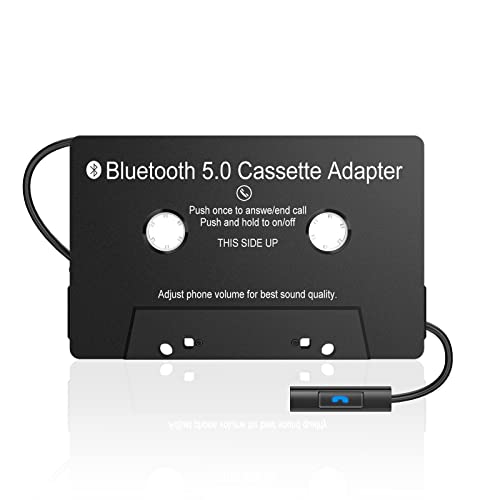
Kedok Bluetooth 5.0 Cassette Aux Adapter

FIOLEES Cassette Player Recorder with Bluetooth Transmitter
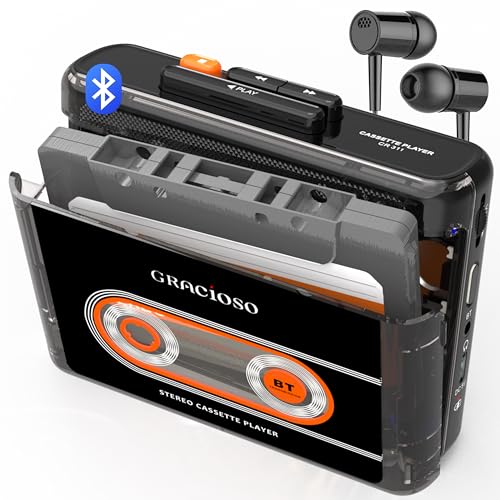
Gracioso Bluetooth Cassette Tape Player 1100mAh

Mersoco Car Cassette Audio Adapter 3.2 Feet
The KLIM K7 leans into tape conversion rather than car playback, which makes it useful for anyone preserving old cassettes before they wear down. The built-in microphone, speaker, rechargeable battery, earphones, and 32GB SD card point to a small all-in-one setup for desk use, travel, or a quiet corner of the garage.
The trade-off is size of purpose, not complexity: this is more about archiving and portable listening than plugging into a dashboard and forgetting about it. Compared with the adapter-style Mersoco and Kedok picks, it asks for more attention, but it also offers more room to manage tapes directly.
Strong Points
- Built-in recording tools support tape-to-digital capture without extra hardware.
- Rechargeable power helps reduce battery swapping during longer sessions.
- Earphones and speaker output cover private listening and room playback.
- 32GB SD storage gives finished transfers a place to live.
Minor Gripes
- Less suited to direct in-car use than a tape adapter.
- Portable gear of this style usually needs a little desk space for setup and storage.
- The feature set can feel broader than needed for simple playback.
Feature Snapshot
Who It Suits Best
Archiving-minded cassette owners who want a portable transfer setup will get the most from this model.
Where A Sibling Pick Shines
Mersoco Car Cassette Audio Adapter 3.2 Feet suits drivers who need fast in-car playback without handling digital transfers.
PROSCAN keeps things plain and useful, which is often the right call for a tape player that may sit on a desk, shelf, or dorm-room table. The microphone, headphone jack, aux input, and one-touch recording make it a straightforward option for voice notes, lessons, and cassette playback without much learning curve.
That simplicity comes with a narrower mission than the KLIM K7. It does not chase digital archiving, so the appeal rests on everyday recording and listening, especially for someone who wants tape playback alongside an easy external input.
What We Like
- One-touch recording keeps operation direct.
- Aux input adds useful external source support.
- Headphone jack helps with quiet listening in shared spaces.
- Recorder and player functions reduce the need for separate gear.
Worth Noting
- More of a desk or shelf unit than a car-focused solution.
- Users with a modern phone-first setup may outgrow cassette recording quickly.
Core Details
Built With In Mind
Students, note-takers, and casual cassette listeners will find the simplest fit here.
Reach For A Different Pick When
FiiO CP13 Cassette Player (Transparent) fits better for travelers who want a more stripped-back portable deck.
The transparent housing gives the FiiO CP13 a very different feel from the more utility-first PROSCAN and KLIM models. It reads as a portable cassette player first, not a recorder or converter, which keeps the design clean for commuting, hotel rooms, or a bag that already carries too much.
That narrow focus is the point, and it also explains the trade-off. Listeners who want direct playback and a compact footprint will appreciate the restraint, while anyone needing recording or digitizing should look back to the earlier two picks.
Upsides
- Transparent styling gives the unit a distinct visual profile.
- Compact playback focus suits travel bags and bedside use.
- Less feature clutter usually means a calmer day-to-day experience.
Small Caveats
- Pure playback design leaves out recording tools.
- Transparent surfaces can make fingerprints more noticeable during handling.
At A Glance
Who Should Grab It
Travelers and minimalists who want straightforward cassette playback will find the fit strongest here.
Swap It Out When
Gracioso Bluetooth Cassette Tape Player 1100mAh suits longer carry days and Bluetooth headphone use better.
Kedok is the kind of adapter that keeps a factory stereo in place while opening the door to phone audio. The Bluetooth 5.0 connection, smartphone compatibility, and cassette-slot format make sense for a vintage dashboard that still works well and does not need a full replacement.
The appeal is obvious for car owners who want the least invasive route. The compromise shows up in dependability expectations, since a tape adapter depends on the condition of the head unit and the cassette mechanism already in the car.
Bright Spots
- Bluetooth 5.0 supports wireless phone audio.
- Works with many smartphones without altering the radio.
- Preserves the original look of a classic dashboard.
- Can be easier to install than a full stereo swap.
Areas To Watch
- Performance depends on the condition of the car’s cassette deck.
- Adapters like this often need careful cable routing to stay neat in the cabin.
- Wireless pairing can add one more step compared with a wired aux solution.
Quick Facts
The Right Fit
Drivers who want phone audio in a classic car without changing the head unit are the clearest match.
Consider Something Else When
Mersoco Car Cassette Audio Adapter 3.2 Feet makes more sense for people who want a straightforward wired setup with hands-free calling support.
FIOLEES sits in the middle ground between a simple deck and a more feature-loaded portable unit. The built-in speaker, headphone jack, microphone jack, Bluetooth transmitter, and AC or AA power options make it practical for a desk, a guest room, or travel where outlets are not always nearby.
The broad compatibility is useful, though the setup has more moving parts than the FiiO CP13’s pared-back approach. For homes that still juggle tape playback, personal listening, and occasional wireless output, that extra flexibility can be worth the space it takes.
Positives
- Bluetooth transmitter adds another output path for listening gear.
- AC adapter or AA battery power supports both stationary and portable use.
- Built-in speaker covers quick playback without headphones.
- Microphone jack can help with spoken recording setups.
Room For Improvement
- More features can mean more setup steps than a plain player.
- Battery-based use calls for spare cells during longer sessions.
- The small chassis may feel crowded on a tightly packed desk.
Details At A Glance
Best Suited To
Households that want one unit for playback, light recording, and wireless output will get the clearest value here.
A Better Fit Elsewhere
PROSCAN Cassette Player & Recorder suits a simpler recording routine and a less feature-heavy setup.
Gracioso is built around mobility, and the 1100mAh rechargeable battery sets the tone for that. The back clip helps secure carry, while Bluetooth headphone support and the included earphone make it a decent match for walks, parks, and transit where a loose player would be annoying.
Compared with the FiiO CP13, this one is less austere and more travel-aware. The honest read is that the clip and wireless support will matter more here than the cassette playback itself for many people who spend time moving between rooms or outdoors.
Highlights
- 1100mAh battery supports extended portable listening.
- Back clip helps keep the unit secure during carry.
- Bluetooth headphone support suits cable-light setups.
- Included earphone gives a simple listening option right away.
Softer Spots
- Clip-based carry may not suit every coat or bag style.
- Portable units like this usually need regular charging habits.
- Wireless headphone use depends on compatible gear on hand.
Core Details
Whose Shelf It Belongs On
Commuters and park walkers who want a compact cassette player with carry support are the main match.
Look Elsewhere When
KLIM K7 Cassette Player 32GB SD Card is the stronger choice for anyone focused on tape conversion and saved audio.
Mersoco is the most directly car-focused choice in the group, and that gives it an immediate edge for factory cassette decks that still work. The 3.5 mm auxiliary cable and hands-free calling microphone make it useful for phone audio and voice calls without asking for Bluetooth pairing on every drive.
That wired approach feels refreshingly simple next to Kedok’s Bluetooth path. For older dashboards, the trade-off often favors stability over novelty, especially on short errands and regular commutes where a cable is easy to live with.
Best Bits
- Designed specifically for cassette-slot car use.
- 3.2-foot cable gives useful reach across the cabin.
- Hands-free microphone supports call handling in a practical way.
- No Bluetooth pairing keeps day-to-day use direct.
Things To Consider
- Wired connection means the cable should be routed neatly to avoid clutter.
- Depends on the car’s cassette player still working properly.
- Less flexible than a wireless adapter for some modern phones.
Feature Card
The Right Fit
Classic-car drivers who want a wired, low-fuss route into an existing cassette deck are the clearest match.
Another Choice May Suit
Kedok Bluetooth 5.0 Cassette Aux Adapter fits better for phone owners who want wireless audio in a vintage stereo.
How To Choose The Right Cassette Players For Car
Match The Device To The Job
Cassette gear for cars falls into two camps, standalone players and tape-slot adapters. A full player works for listening, recording, or transferring tapes, while an adapter feeds a phone or MP3 player through a factory deck.
That split matters more than style. Commuters in older cars usually want the adapter route, while collectors who keep tapes in regular rotation may prefer a portable deck with its own speaker or headphone output.
Check The Power And Connection Style
Battery power, AC power, Bluetooth, aux cable, and cassette-slot fit all change the experience. A rechargeable deck suits travel and desk use, while a wired adapter keeps the dash setup simpler and often feels more predictable.
Bluetooth adds convenience, but it also adds pairing steps and one more point of mismatch with older gear. A wired aux adapter is less glamorous, though it often feels like a straight road instead of a winding one.
Think About Cabin Space And Daily Habits
Small dashboards, narrow console storage, and crowded cupholder areas can make bulky units awkward. Compact players and short cable runs usually make more sense for short errands, while larger recorder-style decks fit better on a shelf at home or in a garage.
Maintenance matters too. Tape heads, cassette slots, clips, and cables need basic care, and cord routing in a car can decide whether a setup feels tidy or annoying after a week.
Choose Features By Use Case
Recording functions suit classes, voice notes, and cassette archiving, but they add complexity most drivers do not need. Headphone jacks, built-in speakers, and microphone inputs help only when those functions actually match the routine.
For daily driving, a simple adapter usually solves the main problem faster. For tape collectors, a portable player with rechargeable power and playback controls makes more sense than a car-specific bridge.
What To Weigh Before You Decide
Mistakes Worth Dodging
Many shoppers focus on tape compatibility and overlook the car stereo itself. A cassette adapter depends on a healthy deck, so a worn head unit can undercut an otherwise sensible purchase.
Another common slip is choosing a recorder when only playback is needed. That adds bulk and controls that sit idle in a glovebox or travel bag.
The Case For Spending Up
Higher-tier models usually cost more because they add rechargeable power, better build materials, extra outputs, or Bluetooth transmission. Those extras matter in homes with active cassette collections or in cars where the setup needs to serve more than one device.
Paying more also makes sense for frequent use. A commuter or tape archivist gets more value from a unit that feels stable, portable, and flexible than from a bare-bones player that only handles one job.
Frequently Asked Questions
Can cassette adapters work in any car?
They work best in cars with a functioning cassette deck. A damaged or sticky mechanism can limit how well the adapter sits and plays.
Is Bluetooth better than a wired aux connection?
Bluetooth adds convenience and reduces cable clutter. A wired aux connection usually feels simpler and more direct.
Do cassette players with recording help in cars?
Recording matters more for home use, lessons, or archiving. For driving, playback and phone integration usually matter more.
What power style suits travel best?
Rechargeable batteries suit bags, long commutes, and temporary setups. AC power fits desks and home listening spaces better.
Which option is easiest for vintage cars?
A cassette-to-aux adapter is usually the simplest path. It keeps the original stereo in place and adds modern audio support without a full replacement.
Closing Thoughts
Cassette players for car use still make sense in 2026, but the right choice depends on the dashboard and the listening habit. A wired adapter solves the fastest problem, a rechargeable portable deck suits tape collectors, and a recorder adds value only when voice capture or digitizing is part of the routine. The strongest match is the one that fits the car as it is, not the one that asks for a bigger project.