


Cheap Car Speakers earn attention for one simple reason, tired factory sound can flatten commutes, road trips, and quick errands alike. The right pair restores clarity, adds more usable midrange, and fits the vehicle without turning the install into a weekend project. This roundup focuses on compact coaxial models, factory-replacement sizes, and a few deeper-cut options for more specific setups. Each pick suits a different kind of cabin, from older daily drivers to cars that need a cleaner, fuller front stage.
Quick Look At Our Top Six

ORION Cobalt CM654 6.5″ Mid-Range Bullet Loudspeakers

PIONEER F-Series TS-F6935R 6″ x 9″ 3-Way Coaxial Car Speakers

Pioneer F-Series TS-F1035R 4″ 2-Way Coaxial Car Speakers

Sound Storm Laboratories EX369 6.5 Inch Car Speakers

BATVOX CS401 150 Watts 4 Inch 2-Way Coaxial Car Speakers
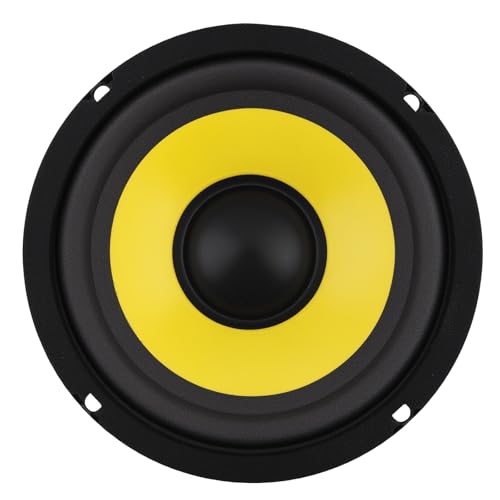
5 Inch Bass Loudspeaker Woofer Speaker
More Details On Our Top Picks
ORION’s 6.5-inch format sits in a space many daily drivers never use well, but it makes sense for systems built around stronger front-stage presence. The 1.5-inch voice coil gives the design a more serious electrical footprint than the smaller coaxial choices in this list, and the 4-ohm load keeps it in familiar car-audio territory.
The honest read is that this is more specialized than a plain factory swap. Commuters who want clearer midrange at higher output levels will appreciate that focus, while quieter setups may find the bullet style more direct than necessary.
Strong Points
- Midrange tuning suits vocals and guitars well.
- 6.5-inch size works for many door locations.
- 4-ohm impedance fits common car audio layouts.
- Voice coil size points to stronger power handling.
Points To Note
- Bullet-style layout is more specialized than a basic coaxial pair.
- Best results depend on proper system matching.
- Owners planning a simple OEM swap may prefer a more conventional size.
Feature Rundown
Who It Suits Best
Drivers building a louder front stage or replacing older mids in a system with an amplifier will get the most from this ORION pair.
Where Another Pick Shines
PIONEER F-Series TS-F6935R suits shoppers who want a simpler factory-style upgrade with broader all-purpose use.
Compared with the ORION pick, this Pioneer leans more toward easy factory replacement than specialty output. The 6 by 9-inch footprint often suits rear decks or larger openings, and the 3-way coaxial layout separates bass, midrange, and treble duties across multiple drivers.
For everyday driving, that split can help the cabin sound fuller without demanding much from the rest of the system. The trade-off is that oversized speakers are only useful in vehicles with the right mounting space, so fit matters more here than with smaller 4-inch options.
What We Like
- Large 6 by 9 format fits many rear deck applications.
- Three-way layout supports a fuller frequency spread.
- High-efficiency design suits OEM-style power levels.
- Works well as a straightforward replacement path.
Softer Spots
- Requires the correct opening, so fit should be checked first.
- Larger format is less flexible for small doors.
- Owners seeking a pure midrange upgrade may want a more specialized design.
Core Details
Who It Suits Best
Owners replacing worn rear speakers in sedans, coupes, or hatchbacks with 6 by 9-inch mounts will find this Pioneer an easy match.
A Better Fit Elsewhere
Sound Storm Laboratories EX369 fits smaller-budget refreshes that still want a 6.5-inch format and simpler all-round use.
Where the 6 x 9 Pioneer suits larger panels, this 4-inch version is built for tighter factory openings. Two-way coaxial speakers use separate drivers for main frequencies and treble, and that layout makes sense in compact dashboards or older vehicles with small mounting spaces.
In a small cabin, that smaller footprint can be a practical win, especially for a clean stock-style refresh. The compromise is plain enough, a 4-inch speaker will not move as much air as larger 6.5-inch or 6 x 9 options, so low-end fullness stays limited.
Upsides
- 4-inch size suits compact factory locations.
- Two-way layout keeps the design straightforward.
- Works for older cars with shallow openings.
- Simple fit can help with quick replacements.
Room For Improvement
- Smaller cone area limits bass presence.
- Best suited to modest system goals.
- Cabin size affects how full it will sound.
Details At A Glance
Who Will Love This
Drivers restoring a compact sedan, older coupe, or small dash location will benefit most from this Pioneer pair.
Look Elsewhere When
BATVOX CS401 makes more sense for shoppers who want a 4-inch option with a built-in piezo tweeter and removable grill.
After Pioneer’s smaller 4-inch format, this Sound Storm pair returns to a more common 6.5-inch size. That matters in many sedans and hatchbacks, because 6.5-inch speakers usually land in the sweet spot between fit flexibility and fuller cabin sound.
The listed dimensions, 6.70 by 6.70 by 2 inches, suggest a compact profile that may help in shallower mounts. Nothing flashy here, and that is part of the appeal for a straightforward upgrade in a daily driver.
Highlights
- 6.5-inch size suits many common vehicle openings.
- Compact depth can help in tighter installs.
- Pair format fits front or rear replacement work.
- Practical choice for a low-drama system refresh.
Minor Gripes
- Little detail is listed about driver layout.
- Basic spec sheet leaves tuning goals unclear.
- Owner installs may need closer fit checks because depth still matters.
At A Glance
The Right Fit
Commuters replacing worn 6.5-inch factory speakers in a daily-use vehicle will find this Sound Storm pair easy to work into the plan.
Swap It Out When
ORION Cobalt CM654 suits enthusiasts who want a more aggressive midrange focus and stronger system ambitions.
This BATVOX pair asks less space than the 6.5-inch picks, but it adds a few useful extras. The piezo tweeter handles high frequencies in a compact package, and the removable grill gives a bit of protection in cars where the speaker sits exposed.
The frequency range, 50 Hz to 20 kHz, covers the usual music spectrum from bass notes through treble. Sensitivity is listed at 87 dB, which means the speaker should produce clear output without demanding extreme power, though the smaller cone still sets natural limits on low-end weight.
Reasons To Buy
- Compact 4-inch size fits tighter factory openings.
- Piezo tweeter helps extend high frequencies.
- Removable grill adds practical protection.
- 87 dB sensitivity supports easier everyday use.
- Two-speaker package suits quick stereo replacement.
Worth Noting
- Smaller driver size limits bass weight.
- Piezo designs can sound brighter than some conventional setups.
- Grill cleaning may matter in dusty interiors.
Feature Snapshot
Built With In Mind
Owners of compact cars or older vehicles with shallow 4-inch openings will get the clearest fit advantage here.
Another Choice May Suit
Pioneer F-Series TS-F1035R is the more conventional route for shoppers who want a simpler nameplate and basic two-way layout.
Unlike the coaxial speakers above, this DriSentri driver leans into a woofer role. That makes it better suited to a custom setup or a home-audio style project than a direct factory-replacement job, especially where low-frequency support matters more than all-in-one convenience.
The pure copper tinned terminals are the notable detail here, because they help maintain a stable connection and resist corrosion over time. In a garage build, a workshop rig, or a home theater project, that kind of terminal choice can be more useful than a long list of cosmetic extras.
Best Bits
- Woofer design supports bass-focused builds.
- Wide frequency response broadens use in custom systems.
- Copper tinned terminals support cleaner signal transfer.
- Useful for car audio and home setups.
Areas To Watch
- Not a direct plug-in factory speaker in most cars.
- Custom installs usually need extra planning.
- Woofer focus makes it less of an all-purpose choice.
Core Details
Whose Shelf It Belongs On
DIY audio hobbyists building a bass-oriented custom setup in a car or home theater will get the most from this DriSentri woofer.
Reach For A Different Pick When
Sound Storm Laboratories EX369 is the simpler match for a straight 6.5-inch replacement in an everyday vehicle.
How To Choose The Right Cheap Car Speakers
Start With Fit, Then Sound
Speaker size sets the whole project in motion. A 4-inch unit, like the Pioneer F-Series TS-F1035R or BATVOX CS401, works in compact openings, while 6.5-inch and 6 x 9-inch speakers usually bring a fuller cabin presence.
Mounting depth matters just as much as diameter. A shallow location in a commuter car can rule out larger frames, even when the rest of the spec sheet looks attractive.
Match The Speaker Type To The Job
Coaxial speakers combine multiple drivers in one frame, which keeps installation simple and suits most factory refreshes. That makes the Pioneer and Sound Storm options easy to place for daily driving.
Specialized designs, such as the ORION mid-range bullet or the DriSentri woofer, fit better in systems built around separate roles. Those choices need more planning, but they also solve more focused audio goals.
Read Power And Sensitivity Together
Power handling shows how much input a speaker can accept, while sensitivity tells how easily it turns that input into sound. High sensitivity helps low-powered systems feel more alive, which matters in older cars with basic head units.
RMS, or continuous power, gives a steadier clue than peak wattage alone. For street use, that number usually matters more than a large max-power figure printed on the box.
Think About Use Case Before Upgrading
A driver who wants cleaner talk radio and casual streaming needs a different setup than someone chasing stronger mids for rock or hip-hop. The first group usually does fine with a balanced factory-style replacement, while the second group may want the ORION or a dedicated woofer path.
Maintenance stays simple with most coaxial speakers, though exposed grills and dusty cabins still call for periodic cleaning. That small habit helps the system stay presentable and keeps debris from collecting where it should not.
What To Weigh Before You Choose
Common Shopping Slip Ups
Many installs go sideways because size gets checked last. A 6 x 9 speaker looks appealing on paper, yet it still needs the correct panel opening and enough depth behind it.
Another common miss is choosing output figures without thinking about the rest of the system. A modest factory deck usually pairs better with efficient coaxials than with a more demanding specialty driver.
The Upgrade Payoff
Higher-tier models often cost more because of stronger motor structures, better materials, and more precise driver layouts. The ORION mid-range unit and the Pioneer 6 x 9 are good examples of designs aimed at more specific jobs than a plain basic replacement.
That extra spend makes sense in a louder system, a larger cabin, or a vehicle owner who wants fewer compromises. For a simple commuter refresh, the step up often brings less value than expected.
Frequently Asked Questions
Are 4-inch car speakers worth it?
Yes, in vehicles with compact factory openings, they can bring a clean improvement without major fitting issues. They trade away bass depth, so larger cabins often need a bigger format.
What does 2-way or 3-way mean?
Two-way speakers split sound between the main driver and a tweeter, which handles high frequencies. Three-way models add another driver, usually for a broader spread across the audible range.
Do higher wattage numbers always sound better?
No, wattage only describes power handling, not overall quality. Sensitivity, fit, and system matching matter just as much for real-world sound.
Can coaxial speakers replace factory speakers easily?
Often, yes, because coaxial designs are built for practical drop-in use. The correct size and mounting depth still need to line up with the vehicle.
Which pick works best for a simple upgrade?
Sound Storm Laboratories EX369 is the easiest all-around answer for many standard 6.5-inch swaps. Pioneer F-Series TS-F6935R suits larger 6 x 9 openings where a fuller rear-deck setup makes sense.
Closing Thoughts
Cheap Car Speakers can still make a daily driver feel much more alive, provided the size and speaker type fit the vehicle instead of fighting it. The Pioneer and Sound Storm picks keep things practical for ordinary replacements, while ORION and DriSentri aim at more specific audio goals. BATVOX offers a compact feature set, and the 4-inch Pioneer fills a narrow opening with less fuss. A good match is usually the one that fits cleanly and suits the cabin, not the one with the loudest spec sheet.