


Factory door audio often leaves a thin midrange, muted treble, and weak punch in the lower registers. These seven picks cover a wide spread of mounting sizes, power handling, and tonal character, so a commuter, weekend road-tripper, or older truck owner can match the speaker to the vehicle instead of forcing a bad fit.
Some models lean toward straightforward replacement, while others suit louder systems or more demanding factory upgrades. The differences matter most in older cabins, busy family vehicles, and cars that need a cleaner voice range without turning the door panel into a project.
The Shortlist At A Glance

ORION Cobalt CM654 6.5″ Mid-Range Bullet Loudspeakers
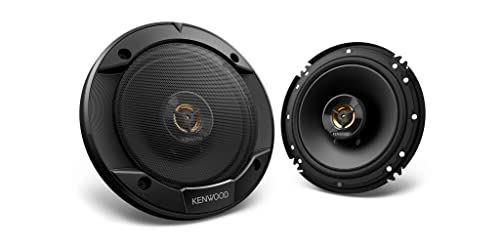
Kenwood KFC-1666R Road Series 6.5″ 2-Way Car Speakers

PIONEER A-Series Plus TS-A1681F 6.5″ 4-Way Coaxial Car Speakers

Pioneer TS-501M 5.25″ 4-Way Coaxial Car Speakers
2026 Upgraded 6.5 Inch Car Speakers, 800W Max, 200W RMS
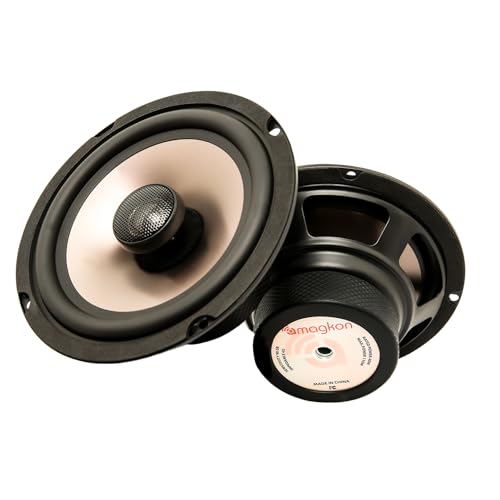
6.5″ 2-Way Coaxial Car Speakers, 1000W Max 4 Ohm Full Range
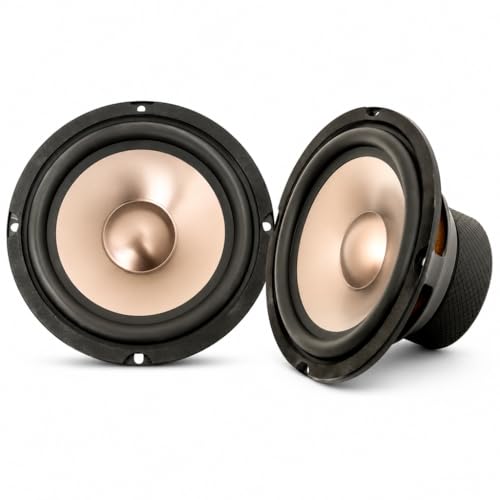
6.5 Inch 2-Way Mid-Bass Car Speakers, 1000W Max (250W RMS)
More Details On Our Top Picks
ORION’s CM654 leans hard toward midrange presence, so vocals and guitars stand out more than they do on softer factory door speakers. The 1.5-inch voice coil and 4-ohm load point it toward systems that can support a more forceful front stage, and that matters in cars where road noise tends to swallow detail.
The trade-off is easy to see: this is less about smooth background listening and more about projection. In a daily commuter or work truck, that can be a real advantage, though a mellow listener may find the presentation too forward compared with the Kenwood KFC-1666R.
Strong Points
- Midrange-forward tuning suits speech and lead instruments.
- 250W RMS gives a clearer sense of usable power than raw max figures alone.
- 4-ohm impedance fits many common car audio setups.
- The bullet-style layout points sound outward, which helps in louder cabins.
Things To Consider
- The tuning is assertive, so relaxed listening is not its main strength.
- Bullet-style speakers can feel too direct in small cabins.
- Install planning matters, since a more specialized layout is less forgiving than a plain coaxial pair.
Key Specs
Who It Suits Best
Drivers building a louder front stage for daily use or weekend listening get the most from this ORION pair.
A Better Fit Elsewhere
Kenwood KFC-1666R Road Series 6.5″ 2-Way Car Speakers suit shoppers who want a gentler factory-style upgrade with less aggressive output.
Kenwood takes a more familiar route than the ORION pair, with a 2-way coaxial layout that keeps installation and tuning straightforward. A cloth woofer and balanced dome tweeter usually point to a calmer, more even response, which suits drivers who want clearer music without chasing a dramatic sound signature.
That balance makes sense in compact sedans, shared family vehicles, and commuter cars that spend long stretches at moderate volume. The honest read is that it looks less theatrical than the Pioneer A-Series Plus, but it also asks for less compromise from everyday setups.
What We Like
- 2-way coaxial design keeps the layout simple.
- Cloth woofer brings a familiar, durable-feeling material choice.
- Balanced dome tweeter helps retain top-end clarity.
- 4-ohm impedance keeps it compatible with many car audio units.
Worth Noting
- The presentation is measured, so it will not suit someone chasing a very aggressive sound.
- Power figures stay moderate compared with the louder ORION and Amagkon options.
- Vehicle fit still depends on the door opening and mounting depth.
Feature Snapshot
Who Will Love This
Daily drivers wanting a straightforward replacement with a controlled, even voice get the clearest match here.
Swap It Out When
PIONEER A-Series Plus TS-A1681F suits drivers who want more modern tuning and a more feature-forward factory replacement.
The Pioneer A-Series Plus reads like a modern factory upgrade, especially for vehicles that need a cleaner handoff from stock audio without extra fuss. Four-way coaxial speakers split the work among several drivers, so treble detail, upper mids, and broader bass support can land with better separation than a simple two-way design.
Installation adaptors included in the box matter in the real world, because a neat fit often decides whether a door-speaker swap feels simple or tedious. Compared with the Kenwood KFC-1666R, this Pioneer gives more room for system growth, though owners who want a stripped-down, no-frills replacement may prefer the more conservative Kenwood path.
Upsides
- Four-way layout helps spread the audio workload across more drivers.
- Included adaptors can simplify a factory replacement.
- Balanced tuning suits mixed listening, from talk radio to music.
- Smooth treble and added bass support help daily driving feel less flat.
- 6.5-inch size keeps it within a common door-speaker format.
Room For Improvement
- More drivers can mean a more complex profile than a basic coaxial pair.
- Any adaptor-assisted install still needs the right vehicle fit.
- Shoppers after a very warm or very bass-heavy sound may want a different tuning.
Core Details
Built With In Mind
Drivers upgrading a stock system in a daily car or family SUV get the most useful blend of convenience and polish here.
Where A Sibling Pick Shines
Kenwood KFC-1666R Road Series 6.5″ 2-Way Car Speakers suit a simpler, more restrained upgrade path for listeners who prefer fewer moving parts.
The smaller 5.25-inch size sets this Pioneer apart immediately, because door space is often the limiting factor in older cars or tight trim panels. A 4-way coaxial layout still brings a fuller feature set than a plain two-way unit, so the speaker is trying to preserve detail while fitting into places that reject larger hardware.
Black and red styling will matter more to some installs than others, but the real advantage is form factor, not decoration. Compared with the 6.5-inch Pioneer A-Series Plus, this model is the more practical path for compact mounting spaces, though it gives up some of the easy all-around usefulness of a larger speaker.
Bright Spots
- 5.25-inch size fits tighter door openings and older vehicle layouts.
- 4-way design aims to preserve more detail than a basic driver.
- 300W max rating leaves room for a moderate upgrade path.
- Round shape can simplify matching to common mounting spots.
Small Caveats
- Smaller cone area usually means less physical air movement than a 6.5-inch option.
- Fit is more vehicle-specific because the size is less universal.
- Decorative styling may matter less than the mounting dimensions in some cars.
Details At A Glance
The Right Fit
Owners working with narrow door openings or older compact cars are the clearest match for this speaker.
Look Elsewhere When
PIONEER A-Series Plus TS-A1681F suits drivers who have standard 6.5-inch space and want a more versatile factory replacement.
This CLES ZYZ pair is aimed at straightforward replacement work, with a universal-fit angle that should appeal to shoppers who want less measuring and second-guessing. The 6.5-inch size keeps it in familiar territory, and the 200W RMS rating suggests a more realistic power picture than max figures alone usually do.
For daily cars and mixed-use family vehicles, that combination often lands in the sweet spot between effort and payoff. It does not carry the brand recognition of Kenwood or Pioneer, so the draw here is more about fit and stated power than about a long catalog history.
Reasons To Buy
- Universal-fit positioning broadens its appeal across many cars.
- 6.5-inch format keeps the install path familiar.
- 200W RMS offers a more grounded power reference than max power alone.
- Good match for drivers wanting a simple replacement without a major audio rebuild.
Areas To Watch
- Brand recognition may matter less to some shoppers than to others.
- Universal fit still depends on the vehicle’s mounting depth and pattern.
- The product story focuses on replacement convenience more than detailed tuning language.
Feature Rundown
Made For
Shoppers replacing tired factory door speakers in a daily commuter or family sedan should find this route straightforward.
Another Choice May Suit
PIONEER A-Series Plus TS-A1681F fits drivers who want a more established brand path and installation adaptors in the box.
Amagkon’s aluminum-cone design pushes this pair toward firmer response and better resilience than soft cone materials usually suggest. The 91dB sensitivity rating matters in older cars and trucks, because sensitivity tells how efficiently a speaker turns power into output, and higher numbers generally make modest systems feel livelier.
The listing also calls out use without an amp for older vehicles, which makes this a practical angle for classic trucks and straightforward OEM replacements. Compared with the Pioneer TS-501M, this Amagkon pair sounds aimed more at broad usefulness than compact styling, though install fit still needs the usual door-panel check.
Standout Traits
- Aluminum cone construction suits firmer, more controlled output.
- 91dB sensitivity helps modest systems feel more responsive.
- 4-ohm design keeps it broadly compatible.
- Works well for older cars and trucks that lack an external amplifier.
- 6.5-inch size matches common door-speaker openings.
Points To Note
- Aluminum cones can sound a bit less relaxed than softer materials in some cabins.
- The no-amp angle helps many installs, but fitment still depends on the door hardware.
- Owners who want a very warm presentation may lean toward a different tuning.
Technical Sheet
Whose Shelf It Belongs On
Classic-car owners, truck drivers, and commuters with aging factory systems should find this pair especially practical.
Reach For A Different Pick When
Kenwood KFC-1666R Road Series 6.5″ 2-Way Car Speakers suit shoppers who want a smoother, more traditional brand-led upgrade.
The Amagkon mid-bass pair aims at drivers who want more energy from door locations, not just a simple replacement. Aluminum magnesium cones usually suggest a lighter, stiffer driver surface, and the 90dB sensitivity gives this model a useful edge for systems where every watt has to count.
That setup makes sense in SUVs and cars where door speakers do a lot of the heavy lifting before any subwoofer enters the picture. Compared with the 6.5-inch Amagkon full-range option, this one tilts harder toward punch and presence, though the more assertive tuning may not suit listeners chasing a softer, background style.
Best Bits
- Aluminum magnesium cone aims for responsive, controlled motion.
- 90dB sensitivity helps the speaker wake up easily from modest power.
- 250W RMS provides a solid continuous-power reference.
- Mid-bass focus suits door locations that need more punch.
- 6.5-inch size keeps it compatible with common installs.
Honest Caveats
- The mid-bass emphasis may feel strong for quiet, casual listening.
- Stiffer cone materials can sound less relaxed in some systems.
- Install fit still depends on the car’s mounting depth and door shape.
Feature Card
Best Suited To
Drivers who want a lively front-stage upgrade in an SUV or a music-focused daily car get the strongest match here.
Where Another Pick Suits Better
PIONEER A-Series Plus TS-A1681F is the better fit for shoppers who want a more conventional factory-upgrade balance and included adaptors.
How To Choose The Right Door Speakers For Car
Match The Speaker To The Door, Not The Marketing
Door cutouts, mounting depth, and grille clearance decide far more than the headline power figure. A 6.5-inch coaxial model fits many cars, but a 5.25-inch unit like the Pioneer TS-501M can be the cleaner answer in tighter panels or older door cards.
Power numbers matter next, but only after fit is settled. RMS, which means continuous power handling, gives a better sense of everyday use than max power alone.
Choose The Tuning That Fits The Cabin
Midrange-forward speakers such as the ORION Cobalt CM654 help voices and lead instruments cut through road noise. Balanced coaxials, like the Kenwood KFC-1666R and PIONEER A-Series Plus TS-A1681F, suit commuting and mixed listening more comfortably.
Cabin size changes the result, too. Small cars can sound sharp with very forward speakers, while larger cabins often benefit from stronger sensitivity or more assertive output.
Check Sensitivity And Power Together
Sensitivity measures how much sound a speaker makes from a given amount of power. Higher sensitivity, such as the 91dB figure on the Amagkon 6.5″ 2-Way Coaxial Car Speakers, helps weaker head units feel less strained.
That makes a difference in older trucks, stock stereos, and daily drivers that will not receive an amplifier. A speaker with stronger power handling still needs the right source, so the full system matters more than one impressive number.
Think About Install Effort And Longevity
Factory-style replacements are usually calmer to install than specialized bullet-style or highly styled designs. Adaptors included with the Pioneer A-Series Plus TS-A1681F can shorten the path from box to door panel, while simpler coaxials tend to mean fewer surprises.
Materials also influence upkeep and long-term feel. Cloth woofers, aluminum cones, and aluminum magnesium cones each carry different trade-offs in stiffness, weight, and tonal character, so the right call depends on whether the goal is comfort, punch, or a little more control.
What To Weigh Before You Choose
Wrong Turns To Avoid
Door-speaker shopping gets messy when mounting size is ignored. A strong-sounding 6.5-inch pair still fails the job in a cramped 5.25-inch opening, and no amount of output specification fixes that mismatch.
Another common miss is chasing max power while overlooking RMS and sensitivity. That combination tells more about daily usability, especially in stock systems that never see an external amplifier.
Where The Extra Money Goes
Higher-tier models usually spend the budget on more complex driver layouts, better cone materials, and accessory fitment. Four-way designs and included adaptors do not just sound more technical, they can help the install feel more complete and the tuning more refined.
That upgrade makes the most sense in cars where the speakers do heavy work every day. For a simple second car or a light-duty commuter, a clean two-way option often covers the need without extra complication.
Frequently Asked Questions
What Size Door Speakers Fit Most Cars?
6.5-inch speakers fit many common door openings and are the most flexible starting point here. Smaller 5.25-inch models help where trim space is tight.
What Does 4 Ohms Mean?
Four ohms is a speaker impedance rating, which affects how much load the speaker presents to the audio system. Many factory and aftermarket car stereos are built around that kind of load.
Is Higher Wattage Always Better?
No, wattage alone does not decide how a speaker behaves in a car. RMS and sensitivity give a much clearer picture of everyday usefulness.
Are 2-Way Speakers Enough For Daily Driving?
For many cars, yes, because a 2-way coaxial design keeps the install simple and the sound balanced. Four-way models add more driver separation, which can help in louder or more demanding setups.
Do Door Speakers Need An Amplifier?
Not always, because some speakers are designed to work well from a factory head unit. An amplifier can still help larger or less sensitive models reach their potential.