


Factory Car Stereo Systems matter most in cars that need clearer audio, better phone integration, and a screen that doesn’t feel dated the moment the ignition turns on. The six picks below cover different setups, from single-DIN radios for simpler dashboards to larger touchscreens with wireless phone mirroring, cameras, and steering-wheel control support.
The right match depends on the vehicle bay, the way music is sourced, and how much screen-based control fits the commute. Some setups lean practical and compact, while others are built like a control center for busy roads and frequent passengers.
The Shortlist At A Glance
SJOYBRING 7″ Double Din Car Stereo with Dash Cam

Pioneer MVH-S230BT 1-Din Car Stereo
SJOYBRING Wireless Double Din Car Stereo

JVC KD-SR87BT Single DIN Car Stereo

Kissound 7″ HD Touchscreen Double Din Car Stereo
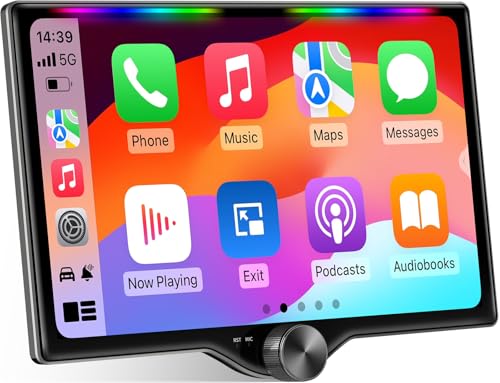
Kissound 10.1″ QLED Double Din Car Stereo
More Details On Our Top Picks
A 7-inch double-DIN layout gives this SJOYBRING unit a clear edge for dash conversions that need a modern center display. Wireless Apple CarPlay and Android Auto cut down cable clutter, while Bluetooth and the AM/FM section cover everyday playback without fuss.
The dash cam and backup camera support make it more versatile than the Pioneer MVH-S230BT, which stays simpler and smaller. In a family car or commuter that sees heavy phone use, that extra screen space usually feels easier to live with.
Strong Points
- Wireless phone integration keeps the dash cleaner on short trips and long commutes.
- The 7-inch screen gives navigation and camera views more breathing room.
- Dash cam support adds a useful layer for busy parking lots and school runs.
- Bluetooth and AM/FM radio cover everyday listening without adding complexity.
- 240W output gives more headroom for factory speaker upgrades.
Things To Consider
- Double-DIN fitment still depends on the vehicle opening and trim kit.
- Feature depth means setup can take longer than a basic receiver.
- More screen-based control can feel busy in older, narrower dashboards.
Feature Snapshot
Who It Suits Best
Daily drivers who want a large screen, wireless phone mirroring, and camera support in one unit will get the most from this setup.
A Better Fit Elsewhere
Pioneer MVH-S230BT suits compact-dash vehicles and drivers who want fewer screens and simpler controls.
Single-DIN format keeps this Pioneer model easy to place in older dashboards and smaller openings. Bluetooth, USB, and AM/FM radio give it a straightforward lane, and the digital media design suits drivers who care more about source access than a big screen.
Compared with the SJOYBRING and Kissound double-DIN units, this one asks for less space and far less visual real estate. The trade-off shows up in screen features, but that restraint can be exactly right for a work truck, a commuter hatchback, or a vehicle that still sees CD-era habits less and less often.
What We Like
- The small footprint fits many dash layouts with less installation drama.
- Bluetooth and USB cover the most common music sources for daily use.
- 50W x 4 output gives solid channel headroom for a basic speaker setup.
- The selectable RCA output helps a system grow around an amp or sub.
Softer Spots
- Single-DIN format leaves no room for a large touchscreen interface.
- Digital media focus means it leans away from camera and navigation-style functions.
- The front-panel layout can feel plain beside the larger double-DIN picks here.
Core Details
Who Will Love This
Drivers with older or smaller dashboards, plus anyone who wants a clean, no-screen layout, are the best match for this Pioneer receiver.
Swap It Out When
SJOYBRING 7″ Double Din Car Stereo with Dash Cam suits shoppers who want wireless phone mirroring and a camera-ready screen.
Two subwoofer ports and 4-channel RCA outputs make this SJOYBRING unit more flexible for audio building than the first double-DIN pick. Wireless CarPlay, Android Auto, Bluetooth, and the 7-inch capacitive touchscreen keep it squarely in modern-dash territory.
That extra audio routing matters in a garage-built system or a vehicle where bass control is part of the plan. It’s less stripped-down than the Pioneer MVH-S230BT, and that’s the point, though the added options can be more than some everyday drivers want.
Upsides
- The 7-inch capacitive panel should feel responsive in daily use.
- Wireless smartphone integration cuts cable clutter at the dash.
- 4-channel RCA and dual subwoofer ports support more involved audio setups.
- 60W x 4 output offers stronger stated headroom than many simple receivers.
- Dash cam and backup camera support broaden its role beyond music alone.
Areas To Watch
- Audio flexibility can be overkill for drivers who only want radio and streaming.
- More connections usually mean more planning during installation.
- The screen-heavy design suits modern interiors more naturally than compact dash openings.
Technical Sheet
Best Suited To
System builders and drivers who want a touchscreen deck with broader audio routing will get the most value from this model.
Consider Something Else When
JVC KD-SR87BT Single DIN Car Stereo makes more sense for CD use, a simpler faceplate, and a smaller dash opening.
CD support sets this JVC apart immediately, which still matters for vehicles that rely on disc libraries or older media habits. Bluetooth, dual phone connection, and a high-contrast LCD round it out with a setup that feels familiar rather than flashy.
Compared with the screen-first SJOYBRING units, this model gives up touch-based navigation but keeps more tactile control in the dash. That can be a better fit for drivers who value a physical receiver and still want Spotify control plus USB and AUX access.
Highlights
- CD playback keeps older media collections usable in the car.
- Dual phone connection suits households that swap drivers often.
- 13-band EQ gives finer tone shaping than a plain bass-and-treble setup.
- High-contrast LCD improves legibility in bright cabin light.
- Spotify control adds app support without making the unit feel overbuilt.
Points To Note
- Single-DIN sizing limits screen space and newer-style navigation features.
- CD mechanisms add another moving part to keep clean over time.
- The feature set leans practical, not theatrical, which may feel plain next to larger touch units.
At A Glance
Perfect Match For
Drivers who still use CDs and want Bluetooth in a single-DIN body will find this JVC easy to place and easy to live with.
Where A Sibling Pick Shines
Kissound 7″ HD Touchscreen Double Din Car Stereo fits shoppers who want modern smartphone mirroring and a larger display.
Wireless Apple CarPlay, Android Auto, and a 7-inch HD touchscreen make this Kissound unit feel like a clean bridge between older cars and current phone habits. Steering-wheel control support, subwoofer output, and Mirror Link push it beyond a plain radio replacement.
Against the SJOYBRING 7-inch model, the feature set is very close, so installation comfort and dashboard layout matter a lot here. For commuters upgrading an older sedan or crossover, the honest read is that this one focuses on the basics that most people actually touch every day.
Best Bits
- The HD touchscreen gives navigation and media a modern face.
- Wireless smartphone support keeps the dash less cluttered.
- Steering-wheel control support helps retain familiar in-car controls.
- Subwoofer output is useful for a system that may grow later.
- AM/FM radio still covers everyday broadcast listening.
Room For Improvement
- The feature set overlaps heavily with several other double-DIN picks here.
- Touchscreen units generally ask for more careful install planning.
- Mirror Link matters most for users who still rely on that phone-mirroring path.
Details At A Glance
The Right Fit
Upgraders who want a touchscreen, steering-wheel control support, and wireless phone integration without moving into a huge screen will feel at home with this unit.
Look Elsewhere When
JVC KD-SR87BT Single DIN Car Stereo suits older dashboards, CD use, and shoppers who prefer physical simplicity over a touchscreen.
The 10.1-inch QLED panel gives this Kissound model the broadest visual presence in the group, and that matters in larger cabins where a small screen can feel lost. Wireless CarPlay, Android Auto, Bluetooth, navigation support, and dual subwoofer output make it a more display-forward choice than the 7-inch units nearby.
Music Sync luminous bar styling adds a visual accent that suits showier interiors, though that same emphasis will not appeal to every dash. For taller center stacks, larger SUVs, or drivers who want a bold screen without moving to a tablet-like format, this one fits naturally.
Reasons To Buy
- The 10.1-inch QLED screen gives maps and media generous room.
- Wireless phone integration keeps the cabin clean and uncluttered.
- Dual subwoofer output supports a more layered audio build.
- Steering-wheel control support helps retain easy daily operation.
- Navigation support broadens the unit beyond basic media playback.
Small Caveats
- The larger face needs a dash that can visually support it.
- Music Sync styling is more expressive than understated.
- Big-screen layouts can ask for a bit more time during setup and adjustment.
Spec Overview
Whose Shelf It Belongs On
Large-dashboard vehicles and style-conscious commuters who want a big, bright interface will get the most from this Kissound unit.
Another Choice May Suit
Pioneer MVH-S230BT 1-Din Car Stereo fits tighter dashboards and drivers who prefer a smaller, simpler faceplate.
How To Choose The Right Factory Car Stereo Systems
Fit, Format, And Dashboard Reality
The first decision is physical fit. Single-DIN units, such as the Pioneer and JVC picks, suit slimmer openings and simpler dashboards, while double-DIN touchscreens need more vertical space and usually look more natural in newer interiors.
Screen size matters for more than appearance. A 7-inch panel usually balances visibility and installation ease, while the 10.1-inch Kissound makes sense in larger cabins where maps, camera feeds, and menus benefit from extra room.
Phone Integration And Daily Control
Wireless Apple CarPlay and Android Auto have become central for drivers who rely on maps, calls, and music apps. Wireless connection reduces cable clutter and makes short trips feel more seamless, though some users still prefer a wired source for consistency.
Steering-wheel control support is another practical detail. It keeps volume, track changes, and calls closer to hand, which is especially useful in traffic or on long commutes.
Audio Paths And Expansion Headroom
Some systems stop at radio and Bluetooth, while others offer RCA outputs, subwoofer ports, and more elaborate speaker routing. RCA means a preamp line output, which helps connect amplifiers cleanly without leaning on speaker-level workarounds.
That extra flexibility matters for cars that already have upgraded speakers or for setups planned in stages. The trade-off is a longer install and more tuning, so a basic commuter rarely needs the same level of complexity as a weekend project car.
Features That Age Well
CD playback, AM/FM radio, Bluetooth, and a clear LCD still matter because they stay useful even as phone habits change. A unit that handles several source types tends to age more gracefully than one built around a single app path.
For most daily driving, dependable controls and readable displays matter more than flashy extras. A good factory-style stereo feels like a well-cut suit, it should fit the car, not fight it.
What To Weigh Before You Buy
Common Shopping Slip Ups
Many installs go sideways because the dash opening was never measured carefully. Single-DIN and double-DIN are not interchangeable, so the vehicle’s space has to match the chassis before anything else.
Another common miss is overbuying features that never get used. A large touchscreen, camera inputs, and audio-routing extras are useful for some setups, but a basic commuter often needs only Bluetooth, USB, and radio.
What The Higher Tier Buys
Higher-tier units usually spend the money on display quality, wireless phone integration, and more output options. QLED panels, capacitive touchscreens, steering-wheel control support, and multiple audio outputs all add real hardware cost.
That upgrade makes sense for vehicles that act as a daily command center. Drivers who spend serious time in traffic, share the car with family, or plan to add an amplifier later will usually feel the extra value more clearly.
Frequently Asked Questions
What Does Double-DIN Mean In Practice?
Double-DIN refers to a taller head unit size that usually allows a larger screen or a fuller control surface. It fits many modern dashboards better than a slimmer single-DIN unit.
Is Wireless Phone Mirroring Worth It?
Wireless CarPlay and Android Auto reduce cable clutter and make everyday driving feel cleaner. That convenience matters most on frequent short trips and routine commuting.
Do Single-DIN Systems Still Make Sense?
Yes, especially in older cars, work vehicles, and compact dashboards. They keep the install simpler while still covering core functions like Bluetooth, USB, and radio.
Why Do Some Units Include Subwoofer Output?
Subwoofer output gives a cleaner path for adding low-frequency bass support. It matters most in systems that may grow beyond the factory speaker layout.
What Should Matter More, Screen Size Or Controls?
Screen size helps with maps and camera views, but control layout shapes everyday ease. A well-placed set of physical buttons can still feel better than a large screen in a cramped cabin.