


Car cabins expose weak speaker design fast. Thin factory cones, cramped doors, and mismatched power handling can turn music into glare or mud. This roundup focuses on seven full-range car speakers with different sizes and layouts, so commute-heavy drivers, system upgraders, and first-time installers can match the hardware to the cabin. The right choice depends on mounting depth, speaker size, and how much treble or midrange presence the system needs.
The Shortlist At A Glance
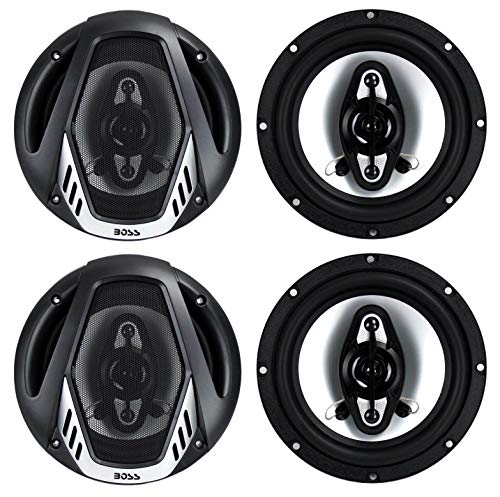
BOSS Audio Systems 6.5″ Full Range Car Audio Coaxial Speaker, 2 Pairs

ORION Cobalt CM654 High Efficiency 6.5″ Mid-Range Bullet Loudspeakers

PIONEER F-Series TS-F6935R 6″ x 9″ 3-Way Coaxial Car Speakers 230W Max

BOSS Audio Systems P65.4C 6.5 Inch Car Speakers, Pair
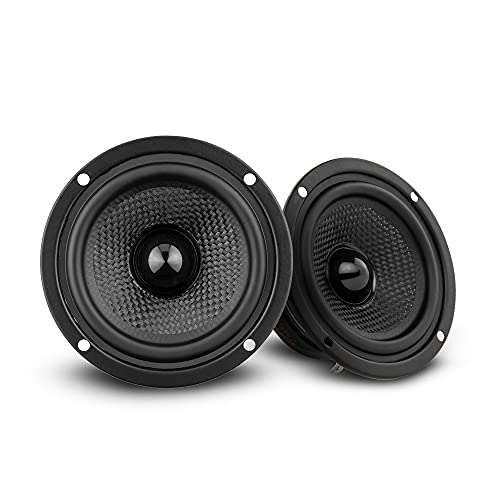
DS18 ZXI-354 3.5″ Full Range Car Audio Speaker with Kevlar Cone

Pioneer F-Series TS-F1035R 4″ 2-Way Coaxial Car Speakers 150W Max

Pioneer TS-501M 5.25″ 4-Way Coaxial Car Speakers 300W Max
More Details On Our Top Picks
This BOSS pair leans toward broad compatibility rather than a narrow specialist role. A 4-way coaxial layout means multiple driver elements share the job of covering bass, midrange, and high frequencies, which helps in daily-driving systems that still use the head unit’s built-in power.
The Mylar dome tweeters matter for anyone who hears factory speakers as dull up top, though the trade-off is that brighter treble can feel less forgiving in hard-surfaced cabins. For commuters and casual listeners, the size and pair format make this a straightforward replacement path. The honest read is that it suits a practical refresh more than a full competition-style build.
Strong Points
- 4-way construction spreads the frequency work across multiple elements.
- Pair format suits front or rear replacement jobs.
- Mylar dome tweeters can open up cymbals and vocals in a basic cabin setup.
- 6.5-inch size fits a common factory speaker slot in many vehicles.
Things To Consider
- Bright top-end presentation may sound sharp in reflective interiors.
- Best results usually depend on careful mounting, since loose installs can add buzz or rattle.
- The speaker style is more about coverage than a highly tuned sound signature.
Feature Snapshot
Who It Suits Best
Daily drivers replacing tired factory speakers in a common 6.5-inch opening get the cleanest fit here.
Where A Sibling Pick Shines
PIONEER F-Series TS-F6935R 6″ x 9″ 3-Way Coaxial Car Speakers 230W Max suits larger rear decks and door panels that can accept a 6 x 9 format more naturally.
ORION takes a different angle from the BOSS pair above, with a mid-range bullet design that favors presence and projection. A 1.5-inch voice coil is the part that does the work of turning electrical input into motion, and that larger coil generally supports a more assertive output profile.
That makes sense for systems built around loud, forward mids in a truck, street setup, or show-oriented cabin. The trade-off is obvious enough, though, because a bullet-style mid-range speaker is not trying to act like a gentle all-rounder. It fits best where clarity and volume in the middle band matter more than soft background listening.
Reasons To Buy
- Mid-range bullet layout aims energy where vocals and instruments live.
- 4-ohm impedance works with many common car audio amplifiers.
- 250W RMS gives a useful reference for steady power handling in real systems.
- Two-speaker set helps with matched left-right placement.
- High-efficiency design can suit systems where output matters more than delicacy.
Points To Note
- Midrange-first tuning leaves less room for deep bass duties.
- The larger output focus may ask for more careful system matching.
- Cleaning around bullet-style assemblies takes a little more attention in dusty vehicles.
Core Details
Who Should Grab It
System builders who want assertive mids for loud cabins, truck doors, or amplified installs are the clear match.
Skip It When
PIONEER F-Series TS-F1035R 4″ 2-Way Coaxial Car Speakers 150W Max is the cleaner fit for compact factory locations that need a simpler replacement path.
Among the larger-format options, this Pioneer pair stands out for straightforward factory replacement work. The 6 x 9 footprint gives more cone area than the 6.5-inch models above, which helps in vehicles that already use that size in rear decks or deep door panels.
The 3-way layout also splits the audible range across several drivers, so the presentation can feel more balanced than a plain single-driver replacement. In a sedan or hatchback that needs fuller sound without reworking the whole system, that usually lands in the sweet spot. The trade-off is simple, larger openings are required, so this is less flexible than the smaller Pioneer TS-F1035R.
Highlights
- 6 x 9 format offers more surface area than compact round speakers.
- 3-way structure helps distribute bass, mids, and treble duties.
- Strong fit for common factory replacement scenarios.
- Balanced tuning suits everyday listening more than harsh, bright output.
- High-efficiency design pairs well with OEM-style power levels.
Small Caveats
- Only vehicles with 6 x 9 openings can take full advantage.
- Larger cones may ask for more careful door sealing to keep rattles down.
- The tuning leans practical, not flashy.
Details At A Glance
Built With In Mind
Drivers replacing aging factory speakers in vehicles that already accept 6 x 9 openings will find the cleanest path here.
Another Choice May Suit
BOSS Audio Systems P65.4C 6.5 Inch Car Speakers, Pair works better for a smaller opening where a round 6.5-inch frame is easier to mount.
This BOSS pair sits close to the first BOSS model in role, but it trims the description down to a cleaner 6.5-inch 4-way coaxial package. That simplicity tends to suit straightforward upgrades in older sedans and hatchbacks where the goal is clearer playback, not a full system rebuild.
Four-way speaker layouts divide the audible range into several zones, which can help the cabin sound less congested at normal driving volume. The catch is that installation quality matters just as much as the speaker itself, especially in doors with loose trim or tired mounting points. That is the honest read, a dependable everyday option with some room for the installer to do their part.
What We Like
- 6.5-inch footprint fits many common replacement spots.
- 4-way design aims for broad frequency coverage.
- Pair format supports matching left and right channels.
- Good fit for drivers who want a cleaner sound without complex parts lists.
Worth Noting
- Sound quality still depends on the vehicle’s door construction and seal.
- The speaker style is broad rather than finely specialized.
- Loose trim can become noticeable once clearer speakers reveal cabin noise.
Quick Facts
Whose Shelf It Belongs On
Commuters seeking a basic, sensible speaker refresh in a standard 6.5-inch opening fit this set well.
Look Elsewhere When
ORION Cobalt CM654 High Efficiency 6.5″ Mid-Range Bullet Loudspeakers suit louder, midrange-heavy systems that need more forward projection than this all-purpose BOSS pair.
The DS18 is the smallest speaker in this group, and that size is its whole reason for existing. A 3.5-inch full-range driver is a sensible fit for tight dash locations, custom pods, and compact factory openings where larger speakers simply will not fit.
The Kevlar cone is the part that gives the driver its diaphragm, and Kevlar is commonly used where a stiffer, lighter cone material is wanted. That can matter in small enclosures, because controlled movement often helps the upper mids stay clearer. The trade-off is obvious: a speaker this small is not trying to cover a cabin by itself, so it works best as part of a carefully planned system.
Best Bits
- 3.5-inch size fits very compact mounting spaces.
- Kevlar cone points toward firmer cone behavior and tidy response.
- Pair format suits matched left-right installations.
- Useful for custom dash work and tight OEM locations.
Softer Spots
- Small cone area limits low-end reach.
- Careful mounting is important in shallow or crowded locations.
- The format is more specialized than the larger Pioneer or BOSS choices.
Feature Card
Right Fit For
Custom installers and dash-space problem solvers benefit most from this compact footprint.
Reach For A Different Pick When
PIONEER TS-501M 5.25″ 4-Way Coaxial Car Speakers 300W Max is the easier step up for a small cabin that can still accept a larger round speaker.
Compared with the DS18, this Pioneer keeps the compact theme but shifts to a 4-inch, 2-way coaxial layout that is easier to place in many factory spots. A 2-way speaker usually splits work between a woofer and tweeter, which keeps the layout simpler than the 4-way and 3-way models elsewhere in this list.
That simplicity helps in daily use where the goal is clean replacement, not a full cabin overhaul. Owners of smaller doors, dash corners, or older compacts often value that kind of neat, low-drama fit. The trade-off is that this model is built for modest openings, so drivers chasing larger soundstage width will likely look higher up the size ladder.
Upsides
- 4-inch size works in many compact OEM spots.
- 2-way layout keeps the design straightforward.
- Good choice for simple speaker replacement work.
- Small format can reduce fit headaches in tight panels.
Areas To Watch
- Smaller cone area limits room-filling output.
- Best suited to vehicles that already use 4-inch openings.
- Not the right match for a driver seeking big rear-deck sound.
At A Glance
Who Will Love This
Compact-car owners and anyone replacing a small factory speaker with minimal fuss fit this model well.
Swap It Out When
PIONEER F-Series TS-F6935R 6″ x 9″ 3-Way Coaxial Car Speakers 230W Max is the better step for larger openings that can support more cone area.
The Pioneer TS-501M lands between the tiny 4-inch option and the larger 6.5-inch and 6 x 9 choices, which makes it a useful middle-ground size for certain doors and panels. The black and red finish also gives it more visual personality than the plainer BOSS and ORION entries, a detail that matters in installs where the grille area stays visible.
Its 4-way coaxial layout means it tries to spread frequency duties across several elements, which can help the cabin sound fuller at normal driving levels. The trade-off is that the 5.25-inch format still has natural limits, so it suits balanced everyday use better than hard-charging bass expectations. For style-conscious installs, though, it has a clear point of view.
Bright Spots
- 5.25-inch size fills a useful middle slot between compact and larger speakers.
- 4-way layout supports broader sound distribution.
- Black and red finish gives the speaker a more distinctive look.
- Good fit for installs where the speaker stays visible behind a grille.
Minor Gripes
- Mid-sized cone area still limits deep bass reach.
- Visible styling may matter less in fully hidden installs.
- The finish can show dust more easily in open, uncovered applications.
Spec Overview
The Right Fit
Style-conscious drivers who still want a practical mid-size upgrade are the strongest match here.
Where Another Pick Suits Better
BOSS Audio Systems P65.4C 6.5 Inch Car Speakers, Pair makes more sense for a driver who wants the simpler geometry of a 6.5-inch round speaker.
How To Choose The Right Full Range Car Speakers
Match The Speaker Size To The Opening
Speaker size comes first because mounting space decides what can fit before sound quality even enters the conversation. A 4-inch speaker suits compact factory spots, a 6.5-inch model covers many common door swaps, and a 6 x 9 format brings more cone area for larger openings. The trade-off is simple, larger speakers usually offer more air movement, but they need the right panel and more careful installation.
Read The Driver Layout Before The Wattage
A 2-way speaker usually divides work between a woofer and tweeter, while a 3-way or 4-way model spreads that load across more elements. More drivers do not automatically mean better sound, but they often help the speaker present vocals, upper mids, and treble with less strain. For daily commuters, a simpler layout can be easier to live with, while louder systems often benefit from a more layered design.
Think About The Cabin, Not Just The Speaker
Cabin shape changes how a speaker behaves. Hard plastic panels, loose door trim, and bare metal surfaces can sharpen treble or bring out rattles, while more insulated vehicles tend to sound smoother. That means the same speaker can feel polite in one car and a bit sharp in another, so fit and cabin conditions matter as much as the label on the box.
Match The Speaker To The Rest Of The System
Impedance, usually shown in ohms, is the electrical load the speaker presents to the source. A 4-ohm speaker is a common choice in aftermarket car audio, but the rest of the system still needs to be compatible for the results to make sense. Amplified builds, OEM head units, and simple replacement jobs each favor different speaker styles, so system planning beats chasing the biggest number on the page.
A Quick Reality Check
Common Shopping Slip Ups
Many wrong purchases start with size mismatch, not sound preference. A 6 x 9 model like the Pioneer F-Series TS-F6935R can be excellent in the right car and useless in the wrong panel. Another common miss is expecting a compact 3.5-inch or 4-inch speaker to fill a large cabin by itself.
What The Higher Tier Buys
Extra money usually goes toward stronger materials, more elaborate driver layouts, and better handling of power and detail. In this group, that shows up in pieces like the ORION’s mid-range bullet build or the DS18’s Kevlar cone, both of which serve more specific jobs than a basic replacement speaker. The upgrade makes sense for louder systems, custom installs, or cabins where clarity matters more than simple swap convenience.
Frequently Asked Questions
What does full-range mean in car speakers?
Full-range usually means the speaker is built to cover a wide span of audible frequencies from one housing or a coaxial layout. It reduces the need for multiple separate drivers in simple installs.
Are 4-way car speakers better than 2-way models?
Not automatically, because more drivers only help when the rest of the design supports them well. A 2-way speaker can sound cleaner in a compact factory location, while a 4-way model often fits broader everyday use.
What size speaker works best for factory replacement?
The best size is the one that matches the opening already in the vehicle. Common swap points are 4 inches, 5.25 inches, 6.5 inches, and 6 x 9 inches, depending on the car.
Do higher wattage numbers mean louder sound?
Wattage alone does not decide loudness, because sensitivity, enclosure fit, and system power matter too. The number is still useful for matching the speaker to the rest of the audio setup.
Is a mid-range bullet speaker right for normal listening?
A mid-range bullet speaker can work, but it is usually more specialized than a standard coaxial model. It suits louder systems and strong vocal presence better than relaxed everyday background listening.