


High Performance Car Audios cover very different jobs, from clean channel splitting to hard-hitting bass and crisp upper detail. That range matters in daily driving, because a compact cabin, a door mount, and a trunk install each ask for a different kind of hardware.
The seven picks below suit drivers building a system from scratch, replacing one weak link, or tuning for clearer output at speed. Some favor control and flexibility, others lean toward sheer output, and a few are better for compact installs where space is tight.
Quick Look At The Shortlist

Pioneer GM-A6704 4-Channel Car Amplifier

ORION Cobalt CM654 6.5 Mid-Range Bullet Loudspeakers

Taramps HD 3000 1 Ohm 1-Channel Monoblock Amplifier

SounDigital Car Full Range Amplifier 800 4 Channels 800 Watts RMS

QWORK 2 Pairs High-Power Neodymium Silk Dome Tweeter Set
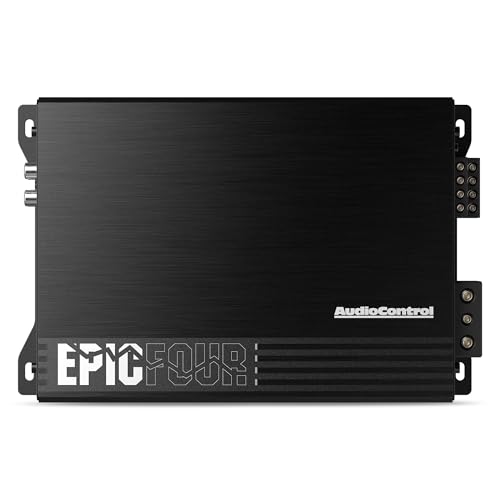
AudioControl EPICFOUR 4-Channel Amplifier

Upgrade 6.5 Car Speakers 1000W Peak Power
More Details On Our Top Picks
Channel flexibility gives this Pioneer amplifier its appeal, especially in vehicles that need a straightforward four-channel layout. Class AB design usually suits drivers who value a familiar, full-bodied sound profile over a bare-minimum footprint.
Daily commuters and weekend installers can use it for front-stage speakers, rear fill, or a bridged setup, depending on the rest of the system. The trade-off is plain enough, class AB gear tends to run warmer and can demand more room than smaller digital units.
Strong Points
- Four channels make system planning easier.
- Bridgeable output adds wiring flexibility.
- High-pass and low-pass filtering help tune speaker roles.
- Good fit for front and rear speaker upgrades.
Points To Note
- Class AB designs usually need more installation space.
- Heat management matters in sealed trim areas.
- Best results come from a clean wiring job and sensible gain settings.
Feature Snapshot
Who It Suits Best
Drivers building a practical four-speaker system with room for tuning benefit most here.
A Better Fit Elsewhere
AudioControl EPICFOUR suits shoppers who want a more feature-rich digital amplifier with aftermarket radio support.
The ORION Cobalt CM654 leans into midrange projection, which is exactly where many full cabin systems lose clarity. A 6.5-inch format, 4-ohm load, and 1.5-inch voice coil point toward a speaker set built for vocal presence and stronger forward output.
Street builds and loud, vocal-forward systems usually give this kind of speaker a clear role, especially in setups that need more presence than a standard door driver offers. The honest read is that it’s less about subtlety and more about getting midrange content to cut through road noise.
What We Like
- Midrange focus helps vocals stand out.
- Pair format simplifies left and right placement.
- Compact 6.5-inch size suits many door locations.
- 4-ohm impedance fits common car audio layouts.
- Voice coil size suggests solid power handling for its class.
Softer Spots
- Midrange specialists are not full-range replacements by themselves.
- Strong output still depends on the rest of the system.
- Door damping can matter more than usual with bullet-style speakers.
Details At A Glance
Who Will Love This
Installers chasing clearer vocals and stronger midband output should look closely at this set.
Swap It Out When
WDiYA Upgrade 6.5 Car Speakers fit better for a shopper wanting a more general-purpose door speaker replacement.
Monoblock amplifiers, meaning a single-channel design, are built for one job, and the HD 3000 makes that purpose very clear. The LED monitor indicator and crossover give it a more tuned feel than bare-bones bass amps, which matters in trunk systems that need cleaner control.
Custom subwoofer builds and louder low-end setups are the natural fit here, especially where a dedicated amp has to handle the heavy lifting. Compared with the Pioneer GM-A6704, this Taramps unit is far less about versatility and far more about committed bass duty.
Highlights
- Single-channel layout keeps the job simple.
- Class D design usually suits compact, efficient installs.
- LED monitor indicator gives quick system feedback.
- Crossover support helps shape subwoofer response.
- Built for dedicated low-frequency amplification.
Room For Improvement
- Single-channel design does not cover speaker arrays.
- Best suited to subwoofer duty, not all-around amplification.
- High-output systems still depend on careful wiring and enclosure planning.
Core Details
Built With In Mind
Subwoofer-focused installers who want a dedicated mono amp with onboard monitoring will get the most from it.
Look Elsewhere When
Pioneer GM-A6704 fits better for drivers needing one amplifier to cover multiple speaker channels.
The SounDigital 800 fits neatly into builds where floor space, seat space, or cargo-room clearance matters. Four channels and a full-range design make it more flexible than the Taramps monoblock, while still keeping the footprint modest.
That balance suits hatchbacks, compact sedans, and tidy under-seat or side-panel installs, where a large chassis would be awkward. A compact amplifier can feel like the right tool when the layout is already crowded, and this one appears built around that constraint.
Upsides
- Compact size helps with tight mounting locations.
- Four channels support broader speaker coverage.
- Full-range design suits mixed speaker systems.
- 800 watts RMS gives it meaningful headroom for its size.
Small Caveats
- Small size can limit heat dispersion in cramped spots.
- Compact chassis may need cleaner cable routing.
- Best results depend on enough ventilation around the mount.
Feature Rundown
The Right Fit
Compact car builds and neat installations are the clearest match for this SounDigital amp.
Where A Sibling Pick Shines
AudioControl EPICFOUR is the stronger fit for shoppers who want more signal-management features with their four-channel setup.
Tweeters handle the top end, meaning the part of the sound range that carries cymbals, vocal sheen, and fine detail. This QWORK set uses a silk dome and neodymium motor, a pairing often chosen for compact installs that need sharper treble without much bulk.
Mini systems and smaller cabins can benefit from that kind of high-frequency lift, especially when the main speakers sound dull or buried. Compared with the ORION midrange pair, this set fills a very different role, so it works best as part of a layered system rather than as a standalone fix.
Best Bits
- Silk dome design favors smoother top-end output.
- Neodymium magnets help keep the package small.
- 4-ohm load fits many common audio layouts.
- Compact 1-3/8-inch size helps with limited mounting space.
- Useful for restoring brightness in muted systems.
Areas To Watch
- Tweeters only cover high frequencies.
- Placement affects brightness more than many first-time installers expect.
- Best paired with speakers that already handle mids and bass well.
Technical Sheet
Whose Shelf It Belongs On
Detail-focused system builders who need clearer highs in a compact footprint should start here.
Another Choice May Suit
WDiYA Upgrade 6.5 Car Speakers make more sense for a full door-speaker replacement that covers a broader range.
The EPICFOUR brings a more feature-dense take on four-channel amplification than the Pioneer GM-A6704. Digital Class D operation, RCA line-level inputs for aftermarket radios, and Epicenter Link support make it a strong match for custom source units and more careful system tuning.
That level of control suits installers who want a compact amp with a few extra signal tools rather than a simple workhorse. The smart auto protection feature adds practical peace of mind in busy daily-use vehicles, though setup can feel more involved than with simpler amps.
Highlights
- Compact digital design helps conserve space.
- RCA line-level inputs suit aftermarket head units.
- High-pass and low-pass crossover support adds tuning flexibility.
- Epicenter Link expands system integration options.
- Smart auto protection is a practical comfort in daily use.
Worth Noting
- More features can mean more setup steps.
- Best value lands in systems that use its signal tools.
- Owners with very simple installs may not need every function.
Core Details
Made For
Aftermarket radio installs and custom four-speaker systems suit this AudioControl amp especially well.
Where Shoppers Go Wrong
SounDigital Car Full Range Amplifier 800 is the more straightforward match for anyone who wants compact power without as much signal control.
Door speakers shape much of what gets heard in a car, so this WDiYA pair focuses on the part of the system that most people notice first. The carbon fiber cone points toward a stiffer woofer surface, while the bullet head design aims for clearer bass and stereo separation in the cabin.
That makes sense for a daily driver that needs a fresher front stage without moving into a more complex amplifier project. The trade-off is that dedicated speaker pairs still depend on proper enclosure fit and matching amplification to sound their best.
Bright Spots
- Carbon fiber cone construction supports a firmer woofer feel.
- Bullet head layout can help with direct sound projection.
- Pair format works well for left and right door replacement.
- Useful for lifting worn factory speakers into a cleaner baseline.
Minor Gripes
- Speaker replacement still depends on door fit and wiring access.
- Peak power numbers do not replace a full system match.
- Careful mounting matters for long-term rattles and clean output.
Spec Overview
Best Suited To
Drivers replacing tired factory door speakers and wanting a firmer front-stage sound will find this pair appealing.
Reach For A Different Pick When
ORION Cobalt CM654 fits better for installations that need a stronger midrange-forward voice.
How To Choose The Right High Performance Car Audios
Start With The Job, Not The Badge
Speaker upgrades, full-range amplifiers, monoblocks, and tweeters all solve different problems. A system built for front-stage clarity needs different hardware than a trunk setup centered on subwoofers.
Channel count matters because it determines how many outputs the amp can feed. Four-channel units such as the Pioneer GM-A6704 and AudioControl EPICFOUR suit balanced builds, while a mono unit like the Taramps HD 3000 serves one focused bass task.
Match Impedance, Power, And Placement
Impedance, measured in ohms, is the load the amplifier sees, and it affects how gear pairs together. The ORION speakers and QWORK tweeters both sit at 4 ohms, a common figure that fits many setups without drama.
Placement matters just as much. Compact units such as the SounDigital amp or the QWORK tweeters are easier to fit in narrow spaces, while larger speaker replacements need room for mounting depth, trim clearance, and clean wire routing.
Tune For The Cabin You Actually Drive
Road noise, cabin size, and commute length change what sounds right inside a car. A loud midrange speaker can help a daily highway driver hear vocals more clearly, while a softer tweeter setup may suit a smaller cabin that already leans bright.
Control features are worth paying attention to here. High-pass and low-pass filters, crossover sections, and line-level inputs make it easier to divide duties between speakers and amps, which is why the Pioneer and AudioControl units stand out for more involved builds.
What To Weigh Before You Commit
Where Shoppers Go Wrong
Power numbers alone can mislead, especially when peak figures overshadow RMS figures. RMS, or continuous power, tells more about day-to-day use than a short burst rating on its own.
Another common miss is buying a component that does only one job. Tweeters sharpen highs, mono amps feed bass, and midrange drivers push vocals forward, so the match to the rest of the system matters more than any single spec sheet line.
Why Top Tier Costs More
Higher-tier gear usually spends money on tighter control, stronger protection logic, better signal handling, or more precise tuning tools. AudioControl’s EPICFOUR is a good example, because its line-level inputs, Epicenter Link, and auto protection add flexibility that simpler amplifiers skip.
Price pressure also rises with build complexity. Compact housings, sturdier internal components, and more refined crossover sections tend to cost more, and that extra spend makes sense in systems where the install will stay in place for years rather than a season.
Frequently Asked Questions
What matters most in a car audio upgrade?
Start with the job the system needs to do, then match the hardware to that role. Clear vocals, strong bass, and brighter highs each call for a different component.
Do 4-ohm speakers work with most systems?
Four ohms is a common load in car audio, so it fits many amplifiers and factory-friendly layouts. Exact pairing still depends on the rest of the system and the amplifier’s stable load range.
Is a monoblock amp only for subwoofers?
Monoblock means one channel, and that usually makes it a bass-focused choice. The Taramps HD 3000 is built around that single-job layout.
Are tweeters enough to improve sound by themselves?
Tweeters improve the high end, but they do not cover the full range. A fuller upgrade usually pairs them with speakers that already handle mids and bass well.
Does compact size matter in car audio?
Compact gear is a real advantage in cars with limited mounting room or crowded trim panels. Smaller housings make routing and placement easier, especially in clean custom installs.