


Factory stereos often leave no easy path to an aftermarket amplifier or subwoofer, and that is where a line output converter earns its keep. The right unit turns speaker-level output into a cleaner preamp signal, which helps preserve control and keep installation simpler in a daily commuter, weekend project car, or older vehicle with no RCA outputs. Some models stay very basic, while others add remote turn-on support or extra tuning flexibility. The list below focuses on fit, features, and practical ownership trade-offs.
The Shortlist At A Glance
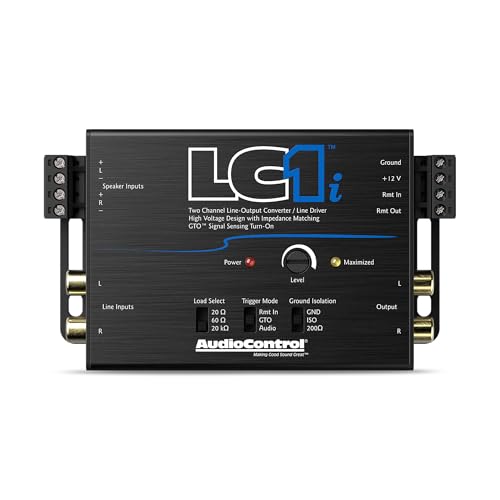
AudioControl LC1i Active 2-Channel Line Driver

PAC SNI-15 Speaker Level to Preamp Adapter

PAC LP7-2R L.O.C. PRO Series 2-Channel Line Output Converter

CT Sounds CT-LC2 2-Channel Premium Line-Out Converter

Install Bay Line Driver/Line Output Converter 2 Channel
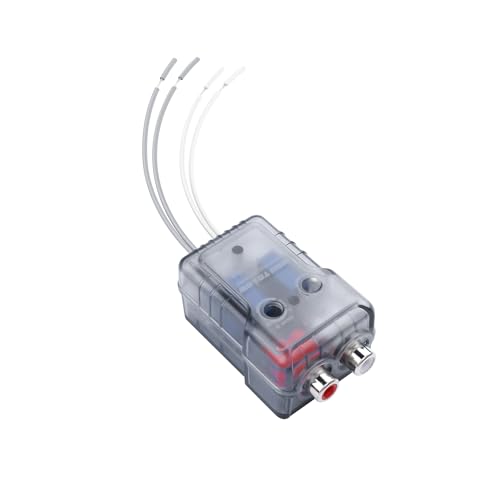
Car Stereo Hight to Low Converter 2-Channel

Car Audio Line Output Converter 2 Channel High to Low Adapter
More Details On Our Top Picks
AudioControl’s LC1i sits in the more serious end of this category, especially for factory systems that need a clean handoff to an amplifier or subwoofer. The active design and impedance matching point to careful signal management, which matters in a sedan with a busy OEM head unit or a truck audio upgrade built in stages.
The trade-off is simple, more capable gear usually asks for a more deliberate install. That makes this a strong fit for owners who want control and cleaner signal behavior rather than the simplest possible box.
Strong Points
- Active signal handling suits more demanding factory-audio upgrades.
- Impedance matching helps the amplifier see a more orderly source load.
- Useful for subwoofer or amplifier additions without replacing the dash unit.
- Better suited to multi-step installs than bare-bones adapters.
Things To Consider
- More advanced setup can take longer than a simple passive adapter.
- The feature set makes less sense for a basic, low-budget retrofit.
Feature Snapshot
Who It Suits Best
Factory-audio upgrades for enthusiasts who want a cleaner signal path and expect to add amplifiers or a subwoofer are the best match here.
Where Another Pick Shines
PAC SNI-15 Speaker Level to Preamp Adapter suits simpler installs better, especially for a straightforward amplifier add-on in a basic factory radio system.
This PAC adapter keeps the job plain and direct, which is exactly what many factory-radio amplifier adds call for. Its linear response from 20 Hz to 20 kHz gives it the kind of full-range coverage that matters for music systems carrying more than just bass duty.
Compared with the AudioControl LC1i, it looks more stripped back and easier to place in a simple upgrade. That lighter approach is handy in a daily driver where the goal is sound integration, not a long list of tuning features.
Upsides
- 20 Hz to 20 kHz response covers the usual music band in one path.
- Works well for adding an amplifier to a factory radio.
- Simple layout keeps installation and troubleshooting less complicated.
Room For Improvement
- Feature depth stays limited beside the more advanced PAC LP7-2R.
- Best suited to straightforward jobs rather than elaborate tuning plans.
Details At A Glance
Whose Shelf It Belongs On
Basic amplifier additions for factory radios are the right home for this adapter, especially where simplicity matters more than extra signal features.
Another Choice May Suit
CT Sounds CT-LC2 2-Channel Premium Line-Out Converter fits better for installs that want BassLift and a little more control over low-end shape.
The LP7-2R adds a remote turn-on circuit, and that small detail saves effort during a tidy amp install. High-level and low-level input support broadens compatibility, so the same unit can fit a wider spread of factory and aftermarket signal paths.
Compared with the PAC SNI-15, this one does more of the system-handshake work for the installer. That makes it a sensible step up for anyone building around a compact amplifier and wanting fewer add-on parts in the wiring path.
Highlights
- Built-in remote turn-on circuit reduces wiring clutter.
- Accepts both high-level and low-level inputs.
- Handy for cleaner amp-triggering in retrofit systems.
- Good fit for two-channel signal paths.
Points To Note
- Two-channel layout limits it to simpler audio architectures.
- More focused on integration than on tuning extras.
Core Details
Best Suited To
Installers who want a neater amplifier trigger solution in a two-channel setup are the clearest fit for this PAC unit.
Look Elsewhere When
AudioControl LC1i Active 2-Channel Line Driver suits more demanding signal-management jobs, especially where impedance matching matters more than simplicity.
CT Sounds adds BassLift, which is meant to shape low-frequency output before it reaches the amplifier chain. That can be useful in systems where the factory signal feels thin and the sub section needs a more deliberate handoff.
Against the simpler Install Bay and PAC SNI-15 options, this unit has a more tuning-focused personality. The honest read is that it suits audio setups that need a bit of tailoring rather than a plain signal translation.
Bright Spots
- BassLift gives extra low-end adjustment headroom.
- Two-channel format keeps the install path manageable.
- Good fit for systems that need stronger bass shaping.
- Premium positioning suits more deliberate audio builds.
Small Caveats
- Extras are less useful in very simple amplifier add-ons.
- The tuning focus may be more than some factory retrofits need.
Feature Card
Who Will Love This
Drivers building a bass-focused stereo upgrade with some tuning headroom are the strongest match for this CT Sounds converter.
Reach For A Different Pick When
PAC SNI-15 Speaker Level to Preamp Adapter suits owners who want a leaner, simpler route into amplifier integration.
Install Bay keeps the focus on signal cleanliness, and the listed signal-to-noise ratio claim speaks to that purpose. In a retrofit where factory speaker wire needs to become a cleaner RCA feed, that matters more than flashy extras.
Compared with the feature-forward CT Sounds unit, this one feels more utilitarian and easy to slot into a straightforward build. It suits installers who want the amplifier added without replacing the head unit, and nothing in the package suggests a lot of fuss.
Best Bits
- Excellent signal-to-noise positioning supports cleaner output behavior.
- High-level and low-level input support broadens compatibility.
- Useful for feeding an amplifier from factory speaker wire.
- Plain layout makes it friendly to no-frills installs.
Areas To Watch
- Focus stays on conversion, not on extra tuning controls.
- More basic than the PAC LP7-2R for trigger convenience.
Quick Facts
Built With In Mind
Workhorse amplifier-retrofit installs are the natural home for this Install Bay converter, especially where a calm, clean signal path matters most.
Where A Sibling Pick Shines
AudioControl LC1i Active 2-Channel Line Driver fits better for setups that need impedance matching and a more actively managed signal path.
PNGKNYOCN keeps this converter compact, which is useful in tight dashboards, crowded under-seat installs, and other small mounting pockets. It is aimed at turning speaker-level output into RCA-level input for an amp or subwoofer, including older sources that lack RCA output in the first place.
Compared with the PAC and AudioControl picks, this one is more about fit and basic compatibility than advanced signal management. One thing worth considering is the 50-watt input ceiling, which makes it a better match for moderate systems than heavy-duty output paths.
Reasons To Buy
- Compact size helps in crowded install spaces.
- Converts speaker output to RCA feed for amplifiers or subwoofers.
- Compatible with standard radios and many smart radios.
- Low-profile design suits vehicles with limited mounting room.
Softer Spots
- 50-watt input limit narrows its fit for higher-output systems.
- Installation still depends on careful wiring and placement.
- Feature set is more basic than the PAC LP7-2R or CT Sounds option.
Spec Overview
Whose Shelf It Belongs On
Compact aftermarket audio installs in tight spaces are the best match here, especially where a simple high-to-low conversion is all that’s needed.
Swap It Out When
PAC LP7-2R L.O.C. PRO Series 2-Channel Line Output Converter suits setups that benefit from a built-in remote turn-on circuit and broader input handling.
Gulfmew builds in a 16-foot cable and a 3.5mm remote bass knob, which gives this converter a more flexible installation profile than most of the shorter, simpler options here. That extra reach helps in larger cabins or split installs where the main unit and bass control live in different spots.
The 50W-per-channel rating and compact housing keep it grounded, though, so this is still a practical converter rather than a showpiece. For long-cable routing and remote bass adjustment, it fills a useful niche that the PAC SNI-15 and Install Bay units do not cover as directly.
Plus Points
- 16-foot cable offers real routing flexibility.
- Remote bass knob allows adjustment from the cabin.
- Compact housing helps with discreet placement.
- Low-noise transfer suits cleaner aftermarket audio paths.
Honest Caveats
- The longer cable may be more than compact cars need.
- 50W-per-channel support keeps it better aligned with moderate systems.
Core Details
Made For
Vehicles that need a long cable run and cabin-mounted bass adjustment are the strongest fit for this Gulfmew adapter.
Another Choice May Suit
Car Stereo Hight to Low Converter 2-Channel suits tighter installs more neatly, especially where the extra cable length is unnecessary.
How To Choose The Right Line Output Converters For Car Stereo
Match The Converter To The Signal Path
Line output converters sit between factory speaker outputs and an aftermarket amplifier or subwoofer input. A simple adapter is enough for many stock-radio upgrades, while an active model makes more sense when cleaner signal handling, impedance matching, or remote turn-on support matters. The choice usually comes down to how much of the system needs help, not just whether RCA plugs are present.
Look Closely At Channel Count And Inputs
Two-channel units fit many front-stage and sub-feed installs, but that layout can become limiting in larger systems. High-level input means speaker output from the head unit, while low-level input refers to a preamp-style source, so mixed-input support adds flexibility during installation. PAC LP7-2R and Install Bay are good examples of broader compatibility, while simpler converters keep the path leaner.
Think About Noise, Placement, And Control
Signal-to-noise ratio is a useful clue in this category, because quieter output usually means less hiss and fewer cleanup headaches later. Compact housings help in cramped dashboards, but a longer cable or a remote bass knob can be the better answer in larger cabins. The trade-off is straightforward, more controls and longer runs add convenience, while bare-bones units usually stay easier to hide and wire.
Choose For The System Being Built
A basic factory-radio amplifier add-on calls for a very different converter than a bass-focused build with tuning needs. AudioControl LC1i and CT Sounds CT-LC2 suit more deliberate setups, while PAC SNI-15 and PNGKNYOCN stay friendlier to simpler jobs. The right match depends on whether the goal is a cleaner handoff, a neater trigger, or just a reliable signal conversion.
What To Weigh Before The Install
Common Shopping Slip Ups
A frequent mistake is choosing a converter by connector shape alone and overlooking input support, trigger needs, or output control. Another common miss is underestimating space, because a tidy converter can still be awkward in a cramped dash or under-seat location.
Where The Extra Money Goes
Higher-tier units usually cost more because they add better signal handling, more input flexibility, remote turn-on options, or tuning aids such as BassLift. That upgrade makes sense in vehicles with stronger factory systems, separate sub plans, or installers who want fewer compromises during setup.
Frequently Asked Questions
What Does A Line Output Converter Do?
A line output converter changes speaker-level audio into a form an aftermarket amplifier can accept more cleanly. That makes it useful in vehicles that lack native RCA outputs.
Do All Car Stereo Converters Need Remote Turn-On?
No, some amplifiers and installs do fine without it. A built-in remote trigger just simplifies wiring in many factory-radio upgrades.
Is A Two-Channel Converter Enough?
Two-channel units cover many front-stage and subwoofer add-ons. Larger systems or more complex layouts can call for a different signal strategy.
Does Cable Length Matter?
Cable length matters more in larger vehicles or split installs. Short runs are usually easier to hide, while longer leads give more placement freedom.
Which Option Fits A Basic Factory Radio Upgrade?
PAC SNI-15 Speaker Level to Preamp Adapter suits plain amplifier additions well. It keeps the signal path simple and avoids extra features that some installs do not need.