


Mini-car audio setups live or die on fit, input flexibility, and how much room the chassis leaves for wiring. The seven picks below cover compact class D boards, four-channel car amps, and a few straightforward choices for installs where space is tight and simplicity matters. Some suit DIY bench builds, others make more sense in a daily driver with factory head-unit outputs. The trade-offs are real, so each section calls out where the design helps and where it asks for compromise.
Quick Look at the Shortlist

ZK-1002T RPO Bluetooth 5.0 Amplifier Board

BOSS Audio Systems CE102 2 Channel Car Amplifier
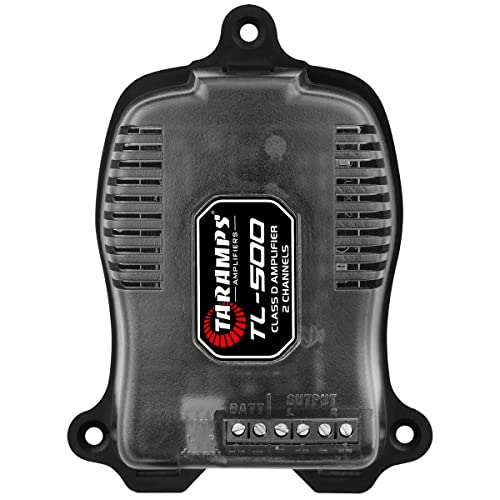
Taramp’s TL 500 Amplifier
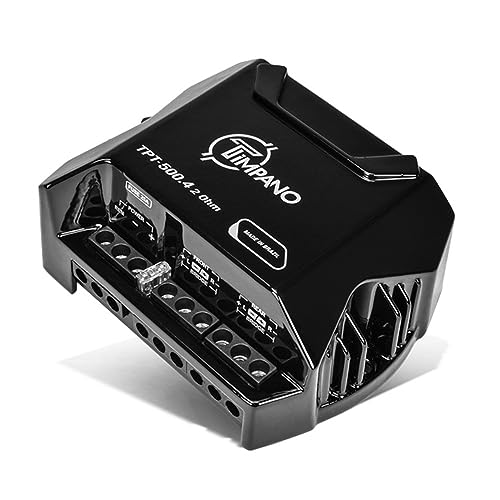
Timpano Audio TPT-500.4 2 Ohm 400 Watt 4 Channel Car Audio Amplifier

Taramps TS 400X4 Black 2 Ohms 400W RMS 4-Channel Car Audio Amplifier
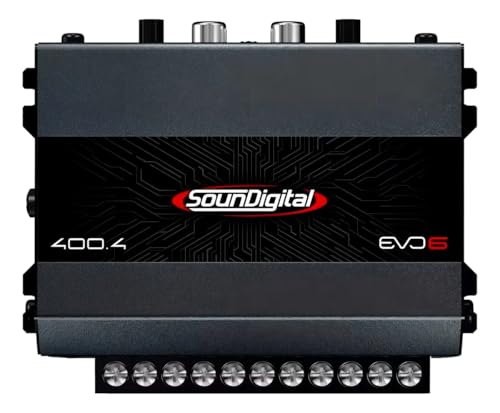
SounDigital Amplifier 400W 4 Channels

GoolRC 4-Channel Full-Range Amplifier 80Wx4
More Details On Our Top Picks
Bench builders and compact audio projects get the most out of this board, since it combines Bluetooth 5.0, USB, and AUX input options in a very small format. The separate treble and bass controls help tailor sound without depending on the source device, which matters in a workshop setup or a simple desktop-style rig.
The trade-off is straightforward, this is a board-level amplifier, so it fits DIY installs far better than a finished plug-and-play car amp. That makes it a sensible match for hobbyists who want control and flexibility, while daily-driver upgrades may feel easier with a more traditional enclosed unit like the BOSS or Taramps models below.
Strong Points
- Bluetooth 5.0 adds convenient wireless playback for small custom builds.
- USB and AUX inputs widen source compatibility.
- Independent treble and bass controls keep tone shaping on the unit itself.
- Compact board format suits tight enclosures and DIY panels.
Things To Consider
- Board-style construction calls for careful mounting and wiring.
- AUX use requires the Bluetooth connection to be disconnected first.
- Best suited to hobby installs, not a simple drop-in replacement.
Feature Snapshot
Who Will Love This
DIY hobbyists building a small stereo or subwoofer project will get the most value from the flexible inputs and tone controls.
Where A Sibling Pick Shines
Taramp’s TL 500 Amplifier suits drivers who want a more finished car-audio layout rather than a board-level install.
This CE102 keeps the formula familiar, two channels, crossover control, and a layout that fits the sort of upgrade many daily drivers need. High-pass and low-pass filtering matters because it lets front speakers or small subs receive a more appropriate signal band, which can clean up system balance without complicated gear.
Professional installation is strongly advised, so this is less forgiving than the simpler Taramp’s TL 500 or the all-in-one feel of the Taramps TS 400X4. For straightforward speaker upgrades in a car where the wiring path is already planned, the plain structure is a strength, not a drawback.
What We Like
- Two-channel design keeps the setup focused and easy to plan.
- High-pass and low-pass crossover control helps match the amplifier to the speakers.
- Works well for modest upgrade paths in older vehicles.
Small Caveats
- Installation calls for care and a solid understanding of car wiring.
- Professional fitting is the safer path for most installs.
- Less flexible than four-channel options for larger cabin systems.
Core Details
Built With In Mind
Drivers planning a simple two-speaker or front-stage upgrade will find the CE102 easier to map into an existing system.
Look Elsewhere When
Timpano Audio TPT-500.4 suits fuller cabin coverage, especially where four channels are needed from the start.
Small chassis size and class D architecture make the TL 500 feel built for tighter installs where heat management and cabinet space matter. Class D means the output stage is designed for higher efficiency, so it generally suits compact car-audio builds that need respectable output without a bulky footprint.
The A.R.T. automatic activation system helps the amp wake up without fuss in a car playback chain, and the 8 to 16 VDC range gives it practical flexibility. Compared with the BOSS CE102, this one reads as more compact and modern in layout, though it stays firmly in the two-channel lane.
Upsides
- Small size suits cramped dash or under-seat installs.
- Class D design is a good match for compact systems.
- Automatic activation reduces setup friction in common car audio use.
- Works across an 8 to 16 VDC range.
Worth Noting
- Two channels limit system expansion.
- Small form factor can make wiring feel tight in cramped spaces.
- Best for straightforward amplification, not elaborate tuning.
Details At A Glance
Right Fit For
Daily drivers with limited mounting space will appreciate the small footprint and straightforward stereo layout.
Another Choice May Suit
Taramps TS 400X4 Black suits a shopper planning to power four speakers from a single compact unit.
The TPT-500.4 is the first real four-channel step in this list, which changes the conversation from simple stereo output to fuller cabin coverage. Four channels matter because front and rear speaker pairs can each get their own amplification path, a cleaner fit for family vehicles and broader cabin installs.
Compared with the TL 500, this one brings a wider system role without drifting into oversized territory. The 2 ohm rating gives system designers more room to match speaker loads, though the broader layout also asks for more planning and tidier cable management.
Highlights
- Four channels support front and rear speaker coverage.
- 2 ohm design opens up more matching options in car systems.
- Compact enough to fit many standard install locations.
- Works well for drivers moving beyond a simple two-channel layout.
Points To Note
- Four channels add wiring complexity compared with two-channel picks.
- Planning the speaker layout matters more here than on the TL 500.
- Owners with very simple systems may not need this much reach.
Spec Overview
Whose Shelf It Belongs On
Families and commuters who want to cover more of the cabin from a single unit will get the most practical use from it.
Swap It Out When
BOSS Audio Systems CE102 suits a smaller two-speaker plan where crossover control matters more than extra channels.
Input flexibility sets the TS 400X4 apart from the simpler Timpano layout, and that matters in mixed-source car systems. High-level and RCA inputs give installers more ways to tap a factory head unit or an aftermarket deck, while bridgeable channels add another routing option for tuned setups.
The built-in crossover and compact class D design make it easy to place in systems that need adaptability without a lot of bulk. The honest read is that this is more amplifier than many basic upgrades need, but for factory-system conversions or careful multi-speaker work, the extra routing options earn their place.
Best Bits
- High-level and RCA inputs support more head-unit types.
- Bridgeable channels increase wiring flexibility.
- Built-in crossover helps shape speaker output.
- Compact class D layout suits tighter install spaces.
- Well matched to upgraded factory systems.
Room For Improvement
- Setup can feel more involved than a basic two-channel amp.
- Bridgeable layouts ask for careful planning.
- More features also mean more to configure during installation.
Feature Rundown
Best Suited To
Drivers rebuilding a factory audio system with several input paths and flexible speaker routing will benefit most here.
Reach For A Different Pick When
Taramp’s TL 500 fits a smaller stereo setup where a simpler two-channel path is enough.
Four channels and 400W class power place this SounDigital model in the more serious end of the shortlist, especially for drivers chasing a cleaner multi-speaker layout. In most cars, that means a neater path for front and rear amplification without stepping up to a huge enclosure.
Compared with the Taramps TS 400X4, the appeal here is the simpler, premium-leaning 4-channel focus rather than a long list of input-routing extras. That narrow focus suits more polished installs, though the lack of extra feature detail in the source data also means there is less to lean on for highly customized builds.
Reasons To Buy
- 400W four-channel design supports broader cabin coverage.
- Fits cleaner multi-speaker installations without a bulky chassis.
- Good match for drivers who want a focused amp role.
Areas To Watch
- Feature detail is leaner than on some other picks here.
- Less obviously tailored to mixed-source systems than the TS 400X4.
- Best judged as a focused amplifier rather than a feature-heavy control hub.
Core Details
Who Should Grab It
Shoppers building a cleaner four-speaker system with a narrower feature focus will get the most out of it.
Where Another Pick Shines
Taramps TS 400X4 Black is the stronger fit for factory-system conversions that need more input flexibility.
The GoolRC stands out for pairing four channels with a digital sound processor, often shortened to DSP, which lets the signal be shaped more deliberately before it reaches the speakers. Android car-player compatibility also makes it a better conversation starter for head-unit-based setups than the more generic SounDigital model.
That extra processing layer helps in systems where source control matters and the cabin layout is already settled. The catch is that this sort of amp is usually best for users who like more control over tuning, while a simpler two-channel pick like the Taramp’s TL 500 can feel easier in a basic daily setup.
Positives
- Four full-range channels support a complete car-speaker layout.
- DSP can shape signal behavior more precisely than a basic amp.
- Android car-player compatibility helps in modern infotainment setups.
- 80Wx4 output gives a clear four-speaker framing.
- Works well for drivers who want more tuning control in one unit.
Softer Spots
- DSP-oriented setup can feel less straightforward than a simple stereo amp.
- Best for installs where tuning options matter.
- Source data gives fewer physical details than some rivals in this list.
Feature Card
The Right Fit
Android-based head-unit installs and tuning-heavy car audio projects are the clearest match for this amplifier.
Skip It When
BOSS Audio Systems CE102 makes more sense for a simpler two-channel path with crossover control but less tuning complexity.
How To Choose The Right Mini-Car Amplifiers
Match The Channel Count To The Cabin
Channel count tells the whole story more clearly than wattage alone in many compact car installs. Two-channel units suit front-stage upgrades or a pair of speakers, while four-channel models make more sense for front and rear coverage. A board-style amp can work beautifully in a DIY box, but a closed car amp usually gives a cleaner path for daily use.
Check Input Paths Before Anything Else
High-level inputs connect to factory speaker wires, and RCA inputs connect to line-level outputs from a head unit. That detail matters because the wrong input style can turn a quick upgrade into a wiring puzzle. Taramps TS 400X4 and BOSS CE102 show two different ways to approach the same job, one with broader routing choices, the other with a simpler signal path.
Size, Mounting, And Heat Clearance
Compact amps help under-seat or behind-panel installs, but small size can tighten wiring space and limit airflow. Class D designs are often chosen for smaller footprints and efficient operation, which is handy in cars with limited mounting options. The trade-off is that a tiny chassis may ask for more careful cable routing, especially in older vehicles with less room behind trim.
Tone Controls And Processing Matter In Real Use
Treble and bass knobs, crossovers, and DSP can shape how the system behaves without leaning on the source device alone. That is useful in daily commuting, long highway drives, or mixed music libraries where one source setting never feels quite right. The strongest match depends on how much control belongs on the amp versus the head unit.
What To Weigh Before Choosing One
Traps First Timers Fall Into
A common mistake is chasing wattage and ignoring input compatibility. Another is underestimating installation space, which is how neat plans turn into awkward mounting jobs near the dash or under a seat.
A second slip-up is buying a feature set that looks impressive but does not fit the vehicle. A two-channel amp can be enough for a simple upgrade, while a four-channel or DSP-heavy model only pays off in a fuller system.
What The Higher Tier Buys
Higher-tier models usually cost more because they add flexible inputs, more channel routing, or better signal control. That extra money also tends to buy easier integration with factory audio and more room for future changes.
The upgrade makes sense for drivers building a fuller cabin system or working around mixed source types. For a basic speaker swap, the simpler Taramps TL 500 or BOSS CE102 style of amp often covers the need without extra complexity.
Frequently Asked Questions
What size amp suits a small car audio setup?
A two-channel compact unit suits a simple front-stage upgrade or a pair of speakers. Four-channel models fit better once rear speakers or fuller cabin coverage enter the plan.
Is a class D amplifier a good fit for small spaces?
Class D designs are commonly chosen for tighter installs because the footprint stays compact. That makes them a practical match for under-seat or hidden mounting spots.
Do factory head units work with these amplifiers?
High-level inputs are the key detail to check for factory-system integration. Models with RCA inputs work best with compatible aftermarket sources.
What does a crossover do on a car amplifier?
A crossover shapes which frequencies go to which speakers, which helps prevent low bass from reaching drivers that should not carry it. High-pass and low-pass controls make that separation more precise.
Is DSP worth paying extra for?
DSP matters most in systems where tuning control is part of the plan. Basic setups usually do not need it, but source-sensitive installs often benefit from the extra shaping options.