


Modern dash units do more than play radio. For commuters, family vans, and older vehicles that still have a solid chassis, the right stereo changes how navigation, calls, and music fit into the drive. The seven picks below cover large touchscreens, single-DIN basics, and compact receivers with stronger feature sets. Each one suits a different kind of install, budget structure, and cabin layout.
The Shortlist At A Glance
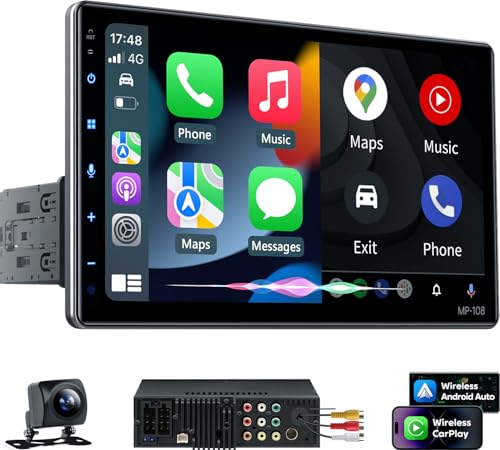
PLZ 10.1″ Wireless Single Din Car Radio Stereo

KENWOOD KMM-BT332U Bluetooth Single DIN Car Stereo

Pioneer DMH-130BT 6.8″ Capacitive Touchscreen

Alpine iLX-W670 Digital Multimedia Receiver

Pioneer MVH-S110BT 1-Din Digital Media Car Stereo

Kissound Double Din Car Stereo 7″ HD Touchscreen
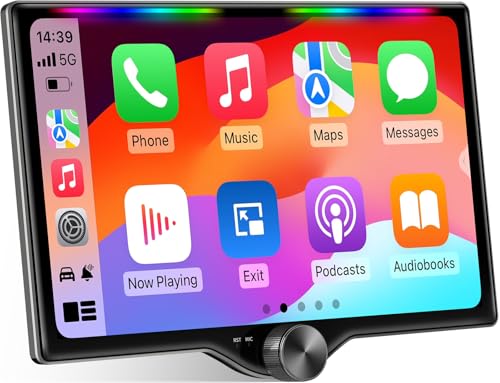
Kissound 10.1″ QLED Double Din Car Stereo
More Details On Our Top Picks
A 10.1-inch touchscreen in a single-DIN format gives this PLZ unit a very specific appeal, especially in older vehicles that need modern phone integration without a full dash redesign. Wireless phone mirroring, Bluetooth 5.3, backup camera support, and steering wheel control compatibility put it in the feature-heavy lane rather than the minimalist one.
The trade-off is straightforward, more features usually mean more setup steps and a busier interface. Drivers who want a large display for maps and media tend to get the most from it, while simpler daily audio tasks may not need this much hardware.
Strong Points
- Large 10.1-inch screen gives maps and menus room to breathe.
- Wireless phone integration keeps the cabin cleaner on short commutes.
- Bluetooth 5.3 suits hands-free calls and steady audio pairing.
- Backup camera support adds useful visibility for parking routines.
- 240W output and dual subwoofer support suit bass-oriented setups.
Things To Consider
- The screen size can feel dominant in compact dashboards.
- Feature depth may take a little patience during installation.
- Drivers who prefer plain audio controls may find it busy.
Feature Snapshot
Who Will Love This
Daily drivers who want a large screen in a single-DIN opening get the most obvious value here, especially in vehicles that spend a lot of time on navigation duty.
Where A Sibling Pick Shines
Kenwood KMM-BT332U Bluetooth Single DIN Car Stereo fits simpler commutes better, since it trims back the screen-heavy approach and keeps the interface more compact.
Kenwood keeps this one centered on the basics that matter most in a daily car stereo, Bluetooth, USB playback, AM/FM radio, and an LCD that changes color. The detachable face also adds a practical security angle for parking in mixed-use areas, though it does mean one more piece to handle.
Compared with the PLZ screen-first unit, this Kenwood is much better suited to drivers who want less visual clutter and a more traditional dash layout. The built-in voice assistant support and SiriusXM tuner compatibility widen the use case, but the real strength stays in the straightforward controls.
Highlights
- Detachable face makes the front panel easier to remove and store.
- USB input covers phone connection and media playback needs.
- Multi-color display helps the unit blend with different interiors.
- Bluetooth suits hands-free calling and wireless music in traffic.
Points To Note
- Single-DIN format leaves less room for large touch controls.
- Detachable parts add a small daily handling step.
- Drivers wanting a full-screen interface should look higher up the list.
Core Details
Built With In Mind
Commuters who want a clean, conventional stereo with modern Bluetooth functionality are the best fit here, especially in vehicles where a large screen would feel out of place.
Look Elsewhere When
PLZ 10.1″ Wireless Single Din Car Radio Stereo suits drivers who want a much larger display and deeper smartphone mirroring tools.
Pioneer’s DMH-130BT lands in a useful middle ground, with a 6.8-inch capacitive touchscreen and a short chassis that helps in shallower dash bays. Capacitive means the screen reacts to light touch, more like a phone than an old resistive panel, and that usually matters in daily use because menus feel quicker.
Compared with the Alpine and the two larger Kissound units, this Pioneer keeps the interface simpler and the footprint friendlier to common double-DIN installs. It suits drivers who want camera input, USB playback, FLAC support, and steering wheel integration without moving into oversized screen territory.
Upsides
- Short chassis helps fit more dash cavities.
- Capacitive touchscreen feels more responsive for menu navigation.
- Backup camera support makes parking routines easier to manage.
- FLAC playback suits listeners with higher-quality audio files.
- Steering wheel input helps keep controls within reach.
Small Caveats
- The 6.8-inch screen is smaller than the largest units here.
- Drivers wanting wireless smartphone mirroring may want a different style.
- The fit advantage matters most in tighter dash openings.
Details At A Glance
Perfect Match For
Owners of vehicles with limited dash depth or conservative interior layouts tend to get the most from this Pioneer, especially where a medium screen feels about right.
Swap It Out When
Alpine iLX-W670 Digital Multimedia Receiver makes more sense for drivers who want a cleaner brand-led package with CarPlay and Android Auto support out of the gate.
Alpine takes a cleaner, more restrained route here, with a shallow chassis and a 7-inch touchscreen that should suit plenty of tighter dash openings. Mechless design means there is no disc slot, so the unit leans fully into phone-driven media and modern dashboard habits.
That setup feels especially sensible for drivers who stream, map, and call through the phone every day. Compared with the Pioneer DMH-130BT, this Alpine is the more polished fit for a streamlined install, though the lack of disc playback may matter to a few long-time CD users.
What We Like
- Shallow chassis helps with installation in limited-depth dashboards.
- 7-inch touchscreen keeps controls easy to read.
- CarPlay and Android Auto support suit phone-first driving.
- Bluetooth hands-free calling helps keep conversations simple on the road.
Room For Improvement
- Mechless design excludes disc playback completely.
- The feature set is cleaner, not crowded with extras.
- Drivers wanting a larger panel may prefer the 10.1-inch units.
Technical Sheet
Whose Shelf It Belongs On
Drivers with modern phones and a shallow dash opening are the strongest match here, especially in vehicles where a streamlined install matters more than older media support.
Another Choice May Suit
Pioneer MVH-S110BT 1-Din Digital Media Car Stereo fits better for setups that need a compact, no-screen approach with fewer installation demands.
This Pioneer strips the category down to essentials in a way that suits older cars, work trucks, and tight dashboards. Bluetooth, USB input, AM/FM radio, and front plus subwoofer RCA output cover the sort of day-to-day use that matters most in a plain, reliable setup.
Compared with the Alpine and the larger touchscreen units, this one gives up the visual polish and phone-mirroring convenience, but it also keeps the install simpler. Drivers who still value physical restraint in the dash may find that trade-off completely reasonable.
Positives
- Single-DIN size fits a wide range of older vehicles.
- USB input handles common media and charging needs.
- Bluetooth supports hands-free calls and wireless playback.
- 50W x 4 output suits everyday four-speaker systems.
- Front and subwoofer RCA output helps with future audio expansion.
Areas To Watch
- No touchscreen means menu access stays more old-school.
- Phone-first drivers may miss built-in mirroring features.
- It works best as a straightforward audio hub, not a flashy center display.
Spec Overview
Who Should Grab It
Drivers who want a compact, low-fuss stereo for an older cabin or a second vehicle are the clearest fit here, especially where simplicity matters more than a screen.
Reach For A Different Pick When
Kenwood KMM-BT332U Bluetooth Single DIN Car Stereo makes more sense for anyone who wants a detachable face and a more feature-rich front panel.
Kissound loads this double-DIN unit with a 7-inch HD touchscreen, wireless phone support, subwoofer output, mirror link, and steering wheel control compatibility. HD here signals a higher-resolution panel than basic screens, so menu text and icons should feel cleaner in everyday use.
That combination suits family vehicles and commuters who want a lot of functions in one center stack. Compared with the Pioneer MVH-S110BT, this model offers a far more modern interface, though that also means more setup time and more features to sort through.
Reasons To Buy
- Wireless CarPlay and Android Auto reduce cable clutter.
- 7-inch HD touchscreen gives the cabin a modern center point.
- 240W output supports stronger system ambitions.
- Subwoofer output helps build a fuller low-end setup.
- Mirror Link adds another route for mobile screen use.
Worth Noting
- Feature depth means the setup can feel busier at first.
- The screen size is useful, though not as large as the 10.1-inch units.
- Drivers who want the cleanest interface may prefer Alpine’s simpler layout.
Core Details
Right Fit For
Drivers building a feature-heavy daily system in a double-DIN opening are the best match here, particularly those who want phone mirroring without a larger 10.1-inch panel.
Where Shoppers Go Wrong
Alpine iLX-W670 Digital Multimedia Receiver suits minimalists better, because it keeps the interface calmer and the install path a little more restrained.
The QLED panel gives this Kissound unit the most distinctive visual identity in the group, and the 10.1-inch size reinforces that impression. QLED, or quantum-dot LED, usually means a brighter, more vivid screen character, which matters most in cabins that see a lot of daylight.
Wireless phone support, navigation, dual subwoofer output, and a music-sync luminous bar make this a style-forward choice with genuine feature depth. Compared with the PLZ 10.1-inch unit, it leans harder into visual presentation, though some drivers will still prefer the more neutral look of Pioneer or Alpine.
Best Bits
- QLED display gives the interface a vivid, modern look.
- 10.1-inch screen offers generous space for maps and menus.
- Music-sync luminous bar adds a distinct cabin accent.
- Wireless smartphone integration suits daily route changes and calls.
- Dual subwoofer output helps larger audio builds.
Softer Spots
- The visual styling may not suit every dashboard.
- Large-screen installs usually need a bit more planning.
- Drivers wanting a plain look may lean toward Kenwood or Pioneer.
Feature Card
The Right Fit
Style-conscious drivers who still want practical phone integration are the clearest match here, especially in vehicles where a large display is part of the appeal.
Skip It When
Pioneer DMH-130BT 6.8″ Capacitive Touchscreen works better for a quieter, less flashy dash with a smaller installation footprint.
How To Choose The Right Multimedia Car Stereos
Screen Size And Dash Fit
Screen size changes the whole feel of a cabin. A 10.1-inch unit gives maps and album art more breathing room, while a 6.8- or 7-inch panel usually sits more naturally in older or tighter dashboards. Single-DIN models still matter because they can fit vehicles where a large display would look out of place or need extra trim work.
Phone Integration And Daily Use
CarPlay and Android Auto are the main convenience features in this category because they move navigation, calls, and music into a familiar interface. Wireless versions cut cable clutter, though wired setups can be easier to live with in some vehicles. For drivers who mostly stream and map from a phone, that compatibility often matters more than extra audio branding.
Audio Outputs And System Growth
Power output, subwoofer output, and RCA connections shape how far a setup can grow. A 50W x 4 layout is usually enough for a normal four-speaker cabin, while 240W units point toward more ambitious audio plans. Those extra outputs matter most for owners planning amps or subwoofers later, not for drivers content with a clean factory-style sound.
Installation Style And Ownership Fit
Shallow chassis designs help where depth behind the dash is limited, and mechless designs remove disc hardware for a cleaner front panel. Detachable faces, steering wheel control support, and camera input add practical everyday value, especially in family vehicles and commuter cars. The honest read is that the best match depends less on brand name and more on how much dash space, phone dependence, and audio expansion the vehicle really needs.
What To Weigh Before You Click Ahead
Hidden Buying Traps
A large screen can look ideal on paper and still feel awkward in a narrow dash opening. Wireless features also sound simple until the install calls for extra adapters, camera wiring, or careful pairing. The safest route is to match the head unit to the vehicle first, then layer on the media features.
Another common miss is overbuying for a basic commute. A feature-heavy unit makes sense for navigation-heavy driving and multi-passenger vehicles, but a compact Bluetooth stereo often covers everyday radio and phone calls without the clutter. That difference matters more than fancy lighting or extra screen inches.
The Upgrade Payoff
Higher-tier models usually spend more on display quality, better touchscreen response, deeper phone integration, and more flexible sound routing. Alpine and the larger Kissound units show that pattern clearly, since installation depth, screen design, and interface polish all cost something in parts and engineering.
The upgrade earns its keep in busy family cars, long commuting routes, and systems that may grow into amps or subwoofers later. For a simple second car or an older truck, the money often goes farther in a compact Pioneer or Kenwood unit.
Frequently Asked Questions
What Size Stereo Fits Most Older Cars?
Single-DIN units still fit many older dashboards and give the least installation hassle. Double-DIN screens work better where the dash opening already has the space.
Does Wireless Phone Support Matter That Much?
Wireless CarPlay and Android Auto cut cable handling and make short trips easier. Wired support still works well for drivers who prefer a steadier connection.
Is A Bigger Screen Always Better?
Bigger screens help with maps and touch controls, especially for navigation-heavy driving. Smaller screens usually fit more cleanly and feel less intrusive in compact cabins.
What Is A Shallow Chassis?
A shallow chassis is a receiver body with less depth behind the faceplate. That helps in dashboards where space behind the opening is tight.
Which Stereo Is Best For Basic Music And Radio?
The Pioneer MVH-S110BT and Kenwood KMM-BT332U both suit straightforward listening well. The Pioneer leans simpler, while the Kenwood adds a detachable face and more display flexibility.