


Car audio still depends on simple parts done well, and a clean 3.5mm connection often makes the difference between steady playback and a noisy commute. This roundup focuses on cable length, plug shape, build materials, and device fit, so road-trip playlists, phone calls through older systems, and dashboard setups stay practical rather than fussy.
Seven Solid Options At A Glance

EMK 90 Degree Right Angle Aux Cable 4FT

Primeda 3.5mm Aux Cord 3.2ft Braided

VANAUX 3.5mm Aux Cable for Car Audio 6.6FT

YYTCG Audiophile 3.5mm AUX Cable 3.28ft TRS
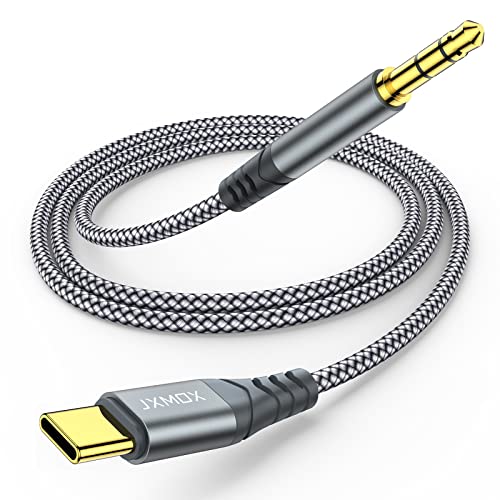
JXMOX USB C to 3.5mm Audio Aux Jack Cable 4ft
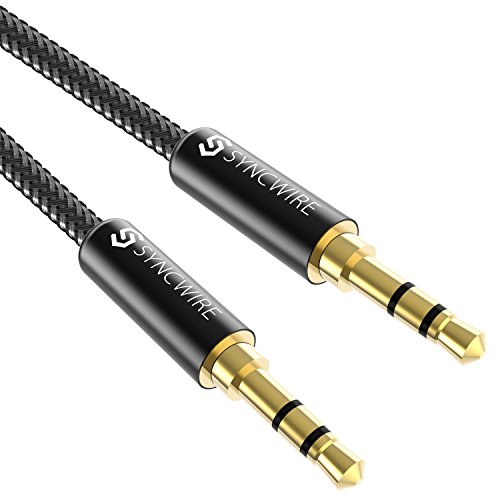
Syncwire Long Aux Cable 6.5Ft Black

DUKABEL 3.5mm AUX Cable 4 Ft Nylon-Braided
The 90-degree plug shape matters in tight console layouts, especially where a straight connector would jut into the way. EMK keeps the format simple, with a 4-foot length that suits front-seat phone mounts and shorter dash runs.
Gold plating on the contacts is there to support steadier contact at the jack, not to turn the cable into something flashy. That makes it a sensible match for commuters with cramped center stacks, though the shorter reach can feel limiting in larger cabins.
What We Like
- Right-angle plug helps reduce awkward bends near the port.
- 4-foot length fits many front-seat car setups neatly.
- Gold-plated contact surfaces support consistent insertion feel.
- Works across common 3.5mm audio gear, not just vehicles.
Points To Note
- The shorter run may feel tight in larger SUVs or vans.
- Right-angle ends suit some consoles better than others.
- Flat storage helps, since shorter cords can still tangle in bags.
Feature Snapshot
Whose Shelf It Belongs On
Commuters with compact dashboards and straightforward 3.5mm audio needs get the most from this one.
A Better Fit Elsewhere
VANAUX 3.5mm Aux Cable for Car Audio 6.6FT suits drivers who want more slack between the phone and the stereo.
Primeda leans into a short, braided layout, which is useful where extra slack only creates clutter. The 3.2-foot span keeps runs compact for a phone resting near the center console, and the straight-to-straight layout keeps the profile uncomplicated.
The trade-off shows up in bigger cabins, where a short cord can feel too restrained. For small cars, work trucks, or a desk-to-speaker connection, the compact build is easy to live with and simple to store.
Bright Spots
- Braided outer jacket adds a tougher everyday feel.
- Short length reduces excess cable around the dash.
- Gold-plated ends suit stable contact at the jack.
- Both straight and right-angle style references appear in the listing, which helps with fit planning.
Small Caveats
- The short reach may not suit larger interiors.
- Braided cords can still collect lint in glove boxes.
- Connector style choice needs a quick look before ordering.
At A Glance
Right Fit For
Drivers with compact cabins and tidy console layouts will appreciate the short, low-clutter design.
Where A Sibling Pick Shines
Syncwire Long Aux Cable 6.5Ft works better for larger vehicles that need extra reach across the cabin.
The extra length makes this VANAUX cord more forgiving than the shorter Primeda option, especially in sedans with deeper consoles or when a phone sits in a mount farther from the stereo. The 90-degree plug also helps the cable exit the port with less awkward bend.
Gold plating and braided construction point toward a sturdier everyday cable, which suits drivers who leave cords in place rather than stowing them after each trip. The honest read is that the 6.6-foot span is useful, though it can feel like more cable than needed in a compact hatchback.
Standout Traits
- Longer reach supports wider cabin layouts.
- Right-angle connector helps in tighter port spaces.
- Braided exterior is a better match for daily handling.
- Gold-plated ends support reliable physical contact.
Areas To Watch
- The longer cord can create extra slack in small cars.
- Braided surface may take more room in a glove box.
- Right-angle placement suits some ports more than others.
Technical Sheet
Built With In Mind
Drivers who need more freedom between a phone mount and the dash stereo get a clear advantage here.
Swap It Out When
EMK 90 Degree Right Angle Aux Cable 4FT fits smaller cars better, since its shorter length keeps loose cable under control.
YYTCG is the most spec-forward option in this list, and the 4N OFC core gives it a more serious build profile than the simpler cords above it. OFC means oxygen-free copper, a conductor choice valued for cleaner signal transfer and less resistance in the signal path.
That matters most in home or car systems where static and loose-feeling plugs are irritating over time. The shorter 3.28-foot length keeps it tidy, though the more technical build may be more than casual dash use really needs.
Highlights
- 4N OFC core points to a more refined cable path.
- Gold-plated connectors help maintain stable contact.
- TRS layout suits standard stereo audio use.
- Short length keeps the setup clean and contained.
Worth Noting
- The shorter reach may not suit rear-seat routing.
- Its technical focus may be unnecessary for simple commutes.
- Short cords need neat storage to avoid tangling in bags.
Core Details
Who Should Grab It
Home audio setups and drivers who care about a more technical cable build will get the most value here.
Look Elsewhere When
Syncwire Long Aux Cable 6.5Ft makes more sense for larger cabins that need extra slack to reach the stereo.
Modern phones without a 3.5mm port need a different kind of aux solution, and JXMOX handles that bridge cleanly with USB-C at one end and a standard jack at the other. The built-in DAC, or digital-to-analog converter, handles the signal conversion inside the cable rather than relying entirely on the device.
That makes it a practical fit for newer phones and tablets in cars with older stereos. The trade-off is simple: convenience rises, but the cable now depends on compatibility with USB-C devices rather than universal 3.5mm hardware.
Reasons To Buy
- USB-C to 3.5mm layout fits newer devices with no headphone jack.
- Built-in DAC supports audio conversion inside the cable.
- 4-foot length works well for dash-mounted phones.
- Extends usefulness of older car stereos and speakers.
Minor Gripes
- USB-C compatibility narrows the device pool.
- The more specialized design is unnecessary for older phones with headphone jacks.
- Cable management still matters in glove boxes and center consoles.
Details At A Glance
The Right Fit
Shoppers using USB-C phones or tablets with older car audio systems get the clearest benefit here.
Reach For A Different Pick When
DUKABEL 3.5mm AUX Cable 4 Ft Nylon-Braided makes more sense for devices that already use a standard headphone jack.
Syncwire’s case is straightforward, extra length solves placement problems that shorter cords can create. At 6.5 feet, it works well for larger cabins, rear-seat passengers, or home audio gear placed farther from the source.
That longer run makes it more adaptable than the EMK and Primeda cords above, though storage takes a little more care. In busy glove compartments, a loose longer cable can tangle faster than a short one.
Best Bits
- 6.5-foot reach gives more routing freedom.
- Useful for cars, home stereos, and portable gear.
- Black finish stays visually unobtrusive in most interiors.
- Good match for passengers who need extra slack.
Softer Spots
- Longer cords need more careful storage.
- Extra slack can feel unnecessary in compact cars.
- Long runs can collect twists in a console bin.
Feature Rundown
Made For
Drivers with larger vehicles, plus anyone routing audio from a farther console position, get the most from this cable.
Another Choice May Suit
EMK 90 Degree Right Angle Aux Cable 4FT is a neater fit for small cars where shorter routing is easier to manage.
DUKABEL keeps the formula familiar, a 4-foot male-to-male cable with a nylon-braided outer layer and gold-plated conductor parts. That combination tends to suit daily car use well, since the jacket is built for regular handling and the length is long enough for most front-seat setups without becoming excessive.
Compared with the Primeda cord, this one reads as a little sturdier in feel, while staying simpler than the USB-C JXMOX option. It suits commuters who want a conventional aux cable and prefer a cord that feels ready to live in the console.
Strong Points
- Nylon-braided build adds a tougher everyday profile.
- 4-foot reach works for most front-seat car layouts.
- Gold-plated conductor surfaces support stable contact.
- Simple male-to-male format keeps setup familiar.
Room For Improvement
- Four feet may still feel short in larger cabins.
- Braided jackets can pick up dust in storage bins.
- Standard aux design won’t help USB-C-only phones.
Quick Facts
Best Suited To
Daily drivers who want a standard aux cord with a little extra durability will feel right at home with this one.
Where A Sibling Pick Shines
JXMOX USB C to 3.5mm Audio Aux Jack Cable 4ft is the smarter route for newer phones that no longer include a headphone port.
How To Choose The Right Quality Aux Cables For Car
Cable Length Sets The Tone
Length decides how tidy the cabin feels, and that part gets overlooked more often than it should. A 3 to 4 foot cable keeps the run compact for front-seat use, while a 6-foot-plus cord is easier to live with in SUVs, trucks, and rear-seat setups. Shorter cords are simpler to stash, but they can pull tight fast when the phone mount sits far from the stereo.
Length also affects day-to-day handling. A cable that barely reaches tends to get yanked at the plug, which is rough on any port over time. Extra slack can help, though too much slack creates loops around shifters, cup holders, and console lids.
Connector Shape Changes Fit
Straight plugs are straightforward and common, while right-angle plugs bend the cable away from the device. That angled shape is useful in tight dashboards, because it reduces awkward pressure near recessed ports. The trade-off is fit, since some cases and recessed sockets pair better with one shape than the other.
TRS means tip-ring-sleeve, the standard stereo layout used by most 3.5mm aux cords. That matters because a basic stereo cable is not the same as a microphone or headset-specific lead. For older car stereos, standard stereo wiring keeps things uncomplicated.
Build Materials Affect Longevity
Braided jackets, nylon outer layers, and gold-plated contacts all point to different strengths. Braiding usually helps a cord shrug off everyday abrasion, while plated ends are chosen to support steadier contact at the jack. Neither detail changes the cabin layout, but both shape how often a cord feels loose, rough, or worn.
OFC, short for oxygen-free copper, appears on higher-grade options and is valued for cleaner conduction. That does not matter as much for casual background playback, though it can make sense in systems where stable sound and fewer dropouts matter. For simple errands, a well-made standard cord is often enough.
Match The Cable To The Device
Standard 3.5mm cords work with older phones, tablets, laptops, and many stereos. USB-C to 3.5mm cables serve newer devices that dropped the headphone jack, but they narrow the compatibility window. The smartest choice is the one that matches the source device and the car stereo without adapters piling up in the console.
Daily use usually rewards simplicity. Fewer adapters mean fewer loose ends to store and fewer contact points that can become finicky. The right cable feels almost invisible once installed, and that is usually the goal.
What To Weigh Before You Order
Mistakes Worth Dodging
Length mismatches cause the most annoyance in this category. A short cable can stretch across the cabin in an awkward line, while an oversized one can clutter a small console.
Connector shape deserves the same attention. A right-angle plug helps in some dashboards, but a straight end can fit better in others, especially near recessed jacks.
The Upgrade Payoff
Higher-tier cables usually cost more because of the materials and the finishing touches. Braided jackets, better-plated contacts, and copper-focused cores add to build quality and can feel steadier in daily use.
The upgrade is worth it for drivers who leave a cable connected full-time, use a longer run, or care about a cleaner-feeling connection. For occasional use, a simpler cord is often enough.
Frequently Asked Questions
What length works best in a car?
Most front-seat setups work well with 3 to 4 feet. Larger cabins often benefit from 6 feet or more.
Does gold plating improve sound on its own?
Gold-plated contacts mainly support steadier contact at the plug. Cable design, source device, and stereo hardware still matter more than the finish alone.
Are braided aux cables harder to store?
Braided cords usually feel sturdier, but they still need neat coiling. Loose storage in a glove box can create twists over time.
What does TRS mean?
TRS stands for tip-ring-sleeve, the standard three-contact stereo plug layout. That format suits most plain aux audio connections.
Do USB-C to 3.5mm cables work in older cars?
Yes, as long as the phone or tablet has USB-C and the cable is made for audio output. The car still needs a standard aux input.