


Car Speakers Doors shape the cabin more than many upgrades get credit for. The right set can sharpen vocals, tighten bass, and make long commutes less tiring without demanding a full system overhaul. The shortlist below focuses on coaxial designs, sensible power ranges, and fit profiles that make sense for common door locations.
Quick Look At The Shortlist
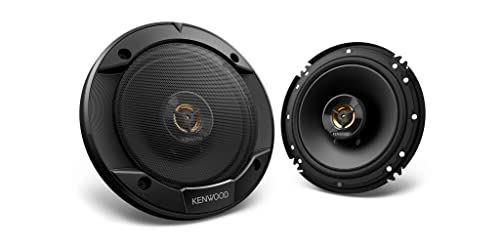
Kenwood KFC-1666R Road Series Car Speakers Pair

Pioneer TS-501M 5.25 4-Way Coaxial Car Speakers
2026 Upgraded 6.5 Inch Car Speakers
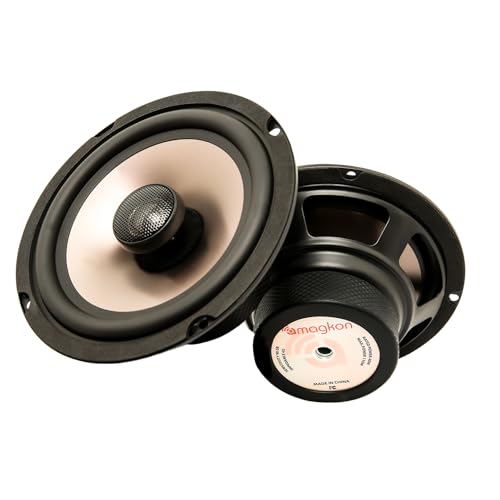
6.5 2-Way Coaxial Car Speakers 1000W Max Pair
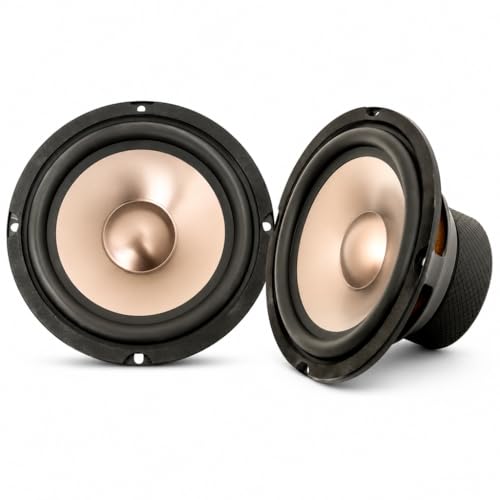
6.5 Inch 2-Way Mid-Bass Car Speakers 1000W Max

Pioneer F-Series TS-F1634R 6.5 2-Way Coaxial Car Speakers

BOSS Audio Systems CH6530 6.5 Inch Car Speakers
Kenwood keeps this pair focused on the basics that matter in a door panel, with a cloth woofer for the low end and a balanced dome tweeter for the upper range. That mix usually suits daily driving well, especially in compact cars where harsh treble can get tiring.
The 6.5-inch format and 4-ohm impedance make the fit story straightforward for many common replacements. Compared with the smaller Pioneer TS-501M, this Kenwood leans more toward a familiar full-size door setup, which helps it feel like a safer match for standard front or rear doors.
Strong Points
- Cloth woofer material helps keep midrange notes from sounding thin in normal cabin listening.
- Balanced dome tweeter gives vocals and cymbals clearer placement than many bare-bones door swaps.
- 6.5-inch sizing fits a wide slice of everyday door installations.
- 4-ohm impedance aligns with many factory and aftermarket head units.
Things To Consider
- The spec set is simple, so system planners who want exact response details may need to look elsewhere.
- Door-panel fit still depends on the vehicle’s mounting depth and bracket layout.
- The styling stays understated, which is fine for most cabins but not especially flashy.
Feature Snapshot
Who It Suits Best
Daily commuters and first-time upgraders benefit most from this straightforward, full-size replacement.
Where A Sibling Pick Shines
Pioneer F-Series TS-F1634R suits owners who want a factory-style refresh with a lighter touch on the wallet of effort.
Small door openings can make speaker shopping awkward, and that’s where this 5.25-inch Pioneer earns its place. The 4-way layout spreads the audio workload across multiple drivers, so it can suit compact cars that need presence without a bulky footprint.
Black and red styling gives it a more visible finish than the Kenwood above, though visual flair matters less than mounting fit in most door swaps. Owners working with cramped factory locations may find the smaller frame more forgiving than a full-size 6.5-inch design.
Highlights
- 5.25-inch size helps in tight factory openings.
- Four-way structure can support a fuller spread of sound sources.
- Round shape keeps the install approach familiar for many doors.
- Color accents add a cleaner custom look behind grille openings.
Minor Gripes
- Smaller drivers usually give up some low-end body compared with larger 6.5-inch sets.
- The visual style is a matter of taste, especially in closed-door installs.
- Mounting results still depend on the vehicle’s factory cutout.
Core Details
Who Will Love This
City drivers and compact-car owners who need a modest footprint will get the most value from this layout.
Another Choice May Suit
Kenwood KFC-1666R Road Series Car Speakers Pair suits shoppers who want a larger 6.5-inch format for broader door coverage.
This pair aims squarely at owners replacing tired factory speakers, with a high-output spec sheet and a standard 6.5-inch format. The 200W RMS figure refers to continuous power handling, which matters more for day-to-day use than the larger peak number because it better reflects steady listening levels.
The universal-fit framing should appeal to people tackling a common door swap in a garage or driveway. Compared with the Pioneer TS-501M, this option leans harder into output and upgrade language, so it fits systems that need a more assertive step up.
Upsides
- 6.5-inch size matches many mainstream door applications.
- 200W RMS gives a clearer sense of sustained handling than peak numbers alone.
- Universal-fit positioning simplifies the first pass at compatibility.
- The pair format suits front-door or rear-door refresh projects.
- High-output spec language points toward a more energetic cabin presentation.
Points To Note
- Universal fit still needs a real check against mounting depth and brackets.
- Large power claims do not remove the need for a sensible source unit.
- The spec page leans promotional, so exact tonal character is harder to judge at a glance.
Details At A Glance
Built With In Mind
DIY installers and owners refreshing worn doors will benefit most from the simple size and direct replacement focus.
Swap It Out When
Pioneer F-Series TS-F1634R suits a more restrained factory-style upgrade, especially in vehicles that do not need a louder-leaning pair.
Old trucks and older cars often reward speakers that can do a lot without demanding a complicated setup, and that is the lane this Amagkon pair fills. The aluminum cone should help the moving parts stay stiff, which often matters for cleaner response in a door cavity that can rattle or flex.
The 91 dB sensitivity figure means the speaker is relatively easy to get moving, so it suits systems where the head unit carries most of the work. Compared with the upgraded 2026 pair above, this one feels more grounded in straightforward compatibility than in flashy output language.
Best Bits
- Aluminum cone construction gives the woofer a firmer feel.
- 91 dB sensitivity helps with easier drive from common sources.
- 50 to 20 kHz response covers the standard audible range on paper.
- Two-way coaxial layout keeps the install path uncomplicated.
- 6.5-inch size works in many familiar door openings.
Softer Spots
- Door resonance can still shape the final result, especially in older shells.
- High wattage figures may draw more attention than the practical day-to-day need.
- Cabin fit still hinges on the mounting depth and hardware layout.
Quick Facts
Perfect Match For
Owners of older sedans, trucks, and basic daily drivers will appreciate the easygoing install profile and firmer cone material.
Look Elsewhere When
Kenwood KFC-1666R Road Series Car Speakers Pair is the more measured choice for cabins that value a softer, less assertive presentation.
This Amagkon set pushes the low-mid side of car audio a little harder, which can matter in door positions that need more body than sparkle. Aluminum magnesium cones usually aim for a balance of stiffness and low mass, a combination that can help a driver stay composed at higher output.
The 90 dB sensitivity reading still keeps it practical for common systems, although the tuning focus points more toward punch than softness. Compared with the heavier-duty Amagkon pair above, this one sounds positioned for drivers who want more bass presence from the doors themselves.
Reason To Buy
- Mid-bass focus adds weight where many stock doors feel hollow.
- Aluminum magnesium cones aim for a sturdy yet responsive moving surface.
- 90 dB sensitivity supports efficient output in typical car setups.
- The 6.5-inch form suits common replacement locations.
Areas To Watch
- Bass-focused tuning can be less forgiving in very small cabins.
- Factory door insulation can influence how full the low end feels.
- The stronger low-mid emphasis may not suit every music library.
Spec Overview
Whose Shelf It Belongs On
Drivers who want fuller door bass and a firmer presentation will get the best fit from this pair.
A Better Fit Elsewhere
Pioneer F-Series TS-F1634R suits owners who value cleaner factory-style balance over a stronger mid-bass lean.
Factory replacement work often rewards restraint, and this Pioneer is built around that idea. The brand describes it as a high-efficiency speaker for OEM power, meaning it aims to work well with the output a stock head unit already provides rather than demanding an elaborate upgrade path.
That makes it a clean match for everyday commuters who want clearer door sound without turning the install into a project. Compared with the Kenwood KFC-1666R, this Pioneer reads as a more factory-friendly route, especially in vehicles where keeping the system simple matters more than chasing extra punch.
What We Like
- High-efficiency design suits stock power levels.
- 2-way coaxial layout keeps the door swap straightforward.
- Balanced sound and smoother treble fit everyday listening.
- 6.5-inch size covers many common replacement openings.
Worth Noting
- Listeners chasing strong bass output may want a more assertive option.
- The value here sits in easy compatibility, not flashy styling.
- Install results still depend on the door hardware behind the grille.
Feature Rundown
Right Fit For
Stock-system owners and everyday commuters will appreciate the easy match to OEM-style power and sound balance.
Where Shoppers Go Wrong
Amagkon 6.5 2-Way Coaxial Car Speakers 1000W Max Pair suits people who want a firmer, more heavy-duty build in the same size class.
A three-way speaker layout gives this BOSS set a broader division of labor than the simpler two-way picks above. In practical terms, that can help the door system feel fuller across the range, especially in older vehicles where the factory audio has gone soft over time.
The 300 watts per pair figure keeps it in the same general power neighborhood as the Kenwood, but the three-way design gives it a more complex structure. That extra layering is useful for listeners who want more detail from a single door upgrade, though it can also mean a bit more attention to fit and tuning.
Positives
- Three-way layout splits the sound work across more driver sections.
- 6.5-inch size fits a familiar door-speaker slot.
- 300 watts per pair places it in a practical output range for many setups.
- Good for replacing tired factory speakers that have lost clarity.
Small Caveats
- Three-way designs can benefit from careful placement behind the grille.
- Users focused on simple installs may prefer a more basic two-way setup.
- Cabin acoustics still shape the final sound more than raw wattage numbers.
Core Details
Who Should Grab It
Owners of aging factory systems and anyone wanting a fuller three-way layout will find the strongest fit here.
Not Your Match When
Pioneer F-Series TS-F1634R is the better path for a simpler OEM-style replacement with less emphasis on added driver complexity.
How To Choose The Right Car Speakers Doors
Match Size To The Door Cutout
Door speakers live or die on fit. A 6.5-inch frame works for many sedans, SUVs, and trucks, but smaller 5.25-inch units can save the day in compact factory openings. Mounting depth matters just as much, because a speaker that clears the grille can still hit the window track behind the panel.
The cleaner path is to compare the factory opening, mounting pattern, and depth before settling on sound goals. That keeps the install from turning into a trim-panel puzzle.
Read Power Numbers With Care
Peak wattage gets attention, but RMS, or continuous power, tells a more useful story for daily listening. A speaker with sensible RMS handling often pairs better with a stock head unit than one that looks loud on paper but asks for more support than the cabin provides. Sensitivity also matters, since higher sensitivity usually means easier volume from modest power.
For commuters, that balance is usually worth more than a big number alone. Loud claims can sound impressive, yet the real win is a speaker that stays composed at normal volume.
Choose The Right Driver Layout
Coaxial speakers place multiple drivers in one assembly, which keeps door upgrades simpler. Two-way designs are straightforward, while three-way and four-way layouts split the audio duties more finely and can add detail in the upper range. The trade-off is usually complexity, not a guaranteed jump in quality.
That makes the simpler sets a safer match for basic upgrades, while multi-way designs suit owners chasing a fuller presentation from the same door location. A cleaner layout is often the wiser choice in older vehicles with limited room and uncertain factory wiring.
Think About The Cabin, Not Just The Speaker
Door metal, insulation, and panel shape all change how a speaker behaves once installed. A stiff cone may help, but a hollow door can still add buzz or soften bass response. That is why two speakers with similar numbers can feel different once they sit in real sheet metal.
Shoppers focused on older cars and trucks should place extra weight on sensitivity and installation practicality. Newer vehicles with better sealing can reward more ambitious designs, especially where the factory system already has a decent signal source.
A Quick Reality Check
Common Shopping Slip Ups
Fit mistakes happen fast in this category. A speaker that looks right on paper can still miss on mounting depth, connector shape, or grille clearance, so the factory opening deserves a close check before anything else.
Another common miss is chasing wattage while ignoring sensitivity and source power. That usually leads to a setup that looks strong in a listing but feels less convincing in a daily commute.
The Upgrade Payoff
Higher-tier door speakers usually cost more because of cone materials, magnet assemblies, and more refined driver layouts. Those parts can improve control, reduce harshness, and make the sound feel less strained at normal volume.
The upgrade matters most in vehicles where the stock audio already sounds thin or tired. In a well-sealed cabin with a decent head unit, a stronger midrange and better treble control can be worth the extra spend.
Frequently Asked Questions
What size fits most car doors?
6.5-inch speakers fit a lot of common door locations. Smaller 5.25-inch options help when the factory opening is tight.
Does higher wattage mean better sound?
Not on its own. RMS, sensitivity, and fit usually matter more for daily listening.
Are coaxial speakers easier to install?
Yes, coaxial designs keep the drivers in one assembly. That usually simplifies door swaps.
Is a three-way speaker worth the extra complexity?
It can be, especially for older systems that need more detail. Simpler two-way sets still make sense for straightforward replacements.
What matters most for older cars and trucks?
Fit, sensitivity, and practical power handling usually come first. The cabin shell often shapes the result as much as the speaker itself.
Closing Thoughts
Car Speakers Doors work best when the match is practical, not flashy. The safest choices balance size, sensitivity, and install fit, while the stronger upgrade options add cone stiffness or more layered driver layouts for cabins that need more presence. Kenwood and Pioneer cover the most approachable paths, while the Amagkon and BOSS sets lean harder into output and complexity. A clean fit and sensible power match still matter more than a loud spec sheet.