


Car audio gets interesting once factory speakers start sounding flat, especially on commutes, road trips, and long evenings in traffic. The right set can sharpen vocal lines, tighten midbass, and make cymbals feel less smeared without turning the cabin into a noise box. This roundup focuses on coaxial and component options with different installation demands, so the fit can match the vehicle as closely as the sound goal.
The Shortlist At A Glance
JBL GTO629 Premium 6.5-Inch Co-Axial Speaker

PIONEER A-Series Plus TS-A1681F 6.5″ 4-Way Coaxial Car Speakers

Pioneer A-Series Plus TS-A6971F 6″ x 9″ 4-Way Coaxial Car Speakers
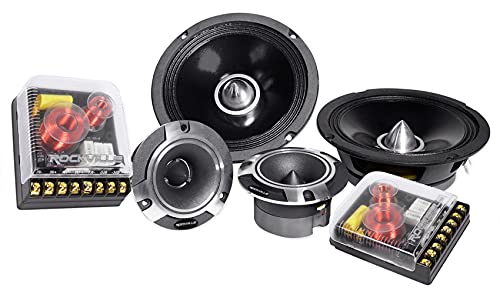
Rockville X6.5C 6.5″ Competition Car Audio Speakers
Alpine S2-S65C Next-Generation S-Series 6.5″ Component Speaker Set

Focal ASE130 Auditor EVO Series 5.25″ 2-Way Component Speaker Kit
6.5″ Coaxial Car Speakers, 1000W Max Power, 250W RMS, 4 Ohm
More Details On Our Top Picks
JBL’s 6.5-inch coaxial layout keeps the install straightforward, which matters in a daily driver where factory locations are already doing the heavy lifting. The paired design keeps the footprint simple, yet it still leaves room for clearer separation than worn stock speakers usually manage.
Commuters who want a cleaner front stage without moving into a component setup will find the balance appealing. The trade-off is predictably modest, since coaxial designs rarely give the same placement flexibility as a tweeter-and-midrange split.
Strong Points
- Straightforward 6.5-inch coaxial format suits common door mounts.
- Two-speaker pair works well for a front or rear refresh.
- Cleaner dialog and vocals help on highway drives.
- Simple layout keeps installation less involved than a component set.
Minor Gripes
- Coaxial layout leaves less room for precise tweeter placement.
- Best gains usually show up with a sensible head unit or amp match.
Feature Snapshot
Who It Suits Best
Daily commuters and casual music listeners who want a cleaner swap from factory speakers without a more complex build.
A Better Fit Elsewhere
Rockville X6.5C 6.5″ Competition Car Audio Speakers suits hobbyists who want a more aggressive, detail-first front stage.
This Pioneer set leans into the kind of balanced upgrade many factory systems need, especially in cars where the original speakers sound thin in the upper range. A four-way coaxial design means multiple driver sections share the work inside one frame, so the sound can spread out more evenly than a basic two-way layout.
Installation adaptors matter in real garages and driveway installs, since they can reduce the amount of improvisation needed around old mounting points. The honest read is that the benefits suit everyday listening more than extreme bass chasing, which is usually the right trade in a stock-audio refresh.
What We Like
- Four-way coaxial structure aims for broad, even output.
- Installation adaptors ease many factory replacement jobs.
- Balanced tuning fits podcasts, vocals, and mixed playlists.
- 6.5-inch size works in many common door locations.
Points To Note
- Four-way designs can add complexity without turning into a full component system.
- Listeners chasing deep low-end slam may want a subwoofer later.
Core Details
Who Should Grab It
Drivers replacing tired factory speakers in compact sedans, hatchbacks, and door panels that already accept 6.5-inch speakers.
Where A Sibling Pick Shines
JBL GTO629 Premium 6.5-Inch Co-Axial Speaker suits shoppers who want a simpler two-way setup with less visual and acoustic complexity.
Moving up to a 6 by 9 format changes the conversation, because larger door openings can give the lower registers more room to breathe. Compared with the 6.5-inch Pioneer set, this version is aimed at vehicles that already have the bigger cutout and can make use of the extra cone area.
That larger footprint helps in a sedan or coupe with rear deck or door openings sized for this format, where fuller midbass can make everyday music feel less compressed. The catch is obvious, fit matters more here, so this is a better match for vehicles built around 6 by 9 mounting locations.
Upsides
- 6 by 9 format can add more body to the lower mids.
- Four-way layout supports fuller range coverage in one speaker.
- Works well in vehicles already wired for larger openings.
- Good fit for bigger door panels or rear deck spots.
Softer Spots
- Only a fit for vehicles that accept 6 by 9 speakers.
- Larger drivers can be less forgiving during installation.
- Real gains depend on the vehicle’s mounting depth and layout.
Details At A Glance
Built With In Mind
Owners of vehicles with 6 by 9 factory openings who want a fuller front or rear replacement without moving to a multi-speaker system.
Look Elsewhere When
Alpine S2-S65C Next-Generation S-Series 6.5″ Component Speaker Set suits compact door layouts and a more adjustable front-stage build.
The Rockville set moves closer to an enthusiast build, especially with titanium tweeters and audiophile crossovers in the mix. A crossover is the part that divides high and low frequencies between drivers, and that matters because cleaner separation usually gives treble more shape and less muddiness.
Shallow mount hardware makes a practical difference in tighter doors, where depth can be the difference between a clean install and a headache. The trade-off is that a more assertive tuning style may suit detail-focused systems better than listeners who want a soft, relaxed presentation for long commutes.
Reasons To Buy
- Titanium tweeters support crisp high-frequency detail.
- Audiophile crossovers help divide the signal more cleanly.
- Shallow mount design helps in tighter installation spaces.
- CCAW voice coils and ferro fluid point to an enthusiast lean.
- Good match for systems that already have solid amplification.
Areas To Watch
- More serious tuning can feel less relaxed in plain factory systems.
- Shallow installs still need careful spacing and adapter planning.
- Detail-first voicing may ask for the rest of the system to keep pace.
Feature Card
Whose Shelf It Belongs On
Enthusiasts building a sharper, more expressive front stage and working around limited mounting depth.
Swap It Out When
JBL GTO629 Premium 6.5-Inch Co-Axial Speaker suits a simpler setup that leans less toward aggressive tuning.
Alpine’s component format shifts the tweeter work away from the main midbass driver, which usually helps stage placement feel more deliberate. For drivers chasing front-seat imaging, that split can make vocals sit higher and more cleanly than a one-piece coaxial design.
Door installation still sounds easier than some full custom builds, though component kits do ask for more planning than the JBL or Pioneer coaxials above. In most cars, that extra effort makes sense only for owners who care about separation and a more explicit front stage, not just louder output.
Best Bits
- Component layout gives more placement control over the tweeters.
- 6.5-inch midbass driver suits many front doors.
- Focused front-stage sound often helps vocals feel better located.
- Good upgrade path for factory systems that feel hazy up top.
Room For Improvement
- Component installs take more planning than coaxial swaps.
- Front-stage tuning works best with careful placement and setup.
- Less convenient for quick rear-speaker replacement jobs.
Spec Overview
Right Fit For
Drivers who want a more deliberate front stage and are comfortable with a slightly more involved installation path.
Not Your Match When
PIONEER A-Series Plus TS-A1681F 6.5″ 4-Way Coaxial Car Speakers suits quicker factory-style replacement jobs with less wiring fuss.
Focal’s 5.25-inch component kit is the compact-minded choice in this group, and that smaller size can be useful in cars with tighter mounting spaces. The split-driver format again helps with staging, but here the pitch leans more toward systems where fit and precision matter as much as outright output.
Compared with the Alpine set, this one makes more sense in vehicles that simply do not offer a comfortable 6.5-inch opening. The honest read is that compact installs often reward careful placement, so this kit suits a measured build more than a quick afternoon swap.
Bright Spots
- 5.25-inch sizing helps in tighter factory openings.
- Component format supports better left-right staging.
- Good match for compact cars and constrained doors.
- Cleaner front-seat focus suits critical listening in traffic.
Small Caveats
- Smaller driver size can leave less low-end body than larger formats.
- Component setup asks for a more careful install plan.
Core Details
Perfect Match For
Compact cars, smaller doors, and focused front-stage upgrades where space is the main constraint.
Another Choice May Suit
Alpine S2-S65C Next-Generation S-Series 6.5″ Component Speaker Set better suits drivers with room for a larger front-door driver.
This pair leans into a straightforward plug-and-play pitch, which is exactly where it can help older cars that need a sensible refresh without a more elaborate audio rebuild. The 4-ohm impedance, meaning the electrical load the amplifier sees, is a familiar spec in car audio and makes the setup easier to understand at a glance.
The larger power figures suggest more headroom than the simplest budget speaker swaps, though system matching still matters in real use. For older vehicles with tired paper cones or weak factory units, this kind of no-frills replacement can make the cabin feel less thin without adding much complexity.
Positives
- Plug-and-play positioning suits older-car refresh projects.
- 4-ohm load is familiar in many car audio systems.
- 1000W max rating gives the listing a higher-output profile.
- 250W RMS points to a steadier everyday power figure.
Things To Consider
- Generic branding usually asks for closer attention to fit and mounting details.
- Output claims do not replace a proper system match.
- Owners of newer premium vehicles may want a more established component path.
Feature Rundown
Who Will Love This
Owners of older vehicles who want a plain, direct upgrade path and already know the 6.5-inch size fits their doors.
Where Shoppers Go Wrong
Rockville X6.5C 6.5″ Competition Car Audio Speakers suits more serious listeners who want a clearer enthusiast tuning target.
How To Choose The Right Car Speakers For Audiophiles
Start With Fit Before Flavor
Size and mounting depth come first, because a speaker that does not fit cleanly turns into a wiring and spacer problem. Common formats like 6.5-inch and 6 by 9-inch speakers serve different door layouts, so the vehicle’s openings matter as much as the sound goal.
Coaxial designs keep the build simple by placing multiple drivers in one basket, while component sets split the tweeter and midbass into separate parts. That separation can improve stage placement, but it also adds planning, especially in cars with awkward factory mounting points.
Read Power Figures In Context
Peak power is the headline number, yet RMS, or continuous power handling, tells more about the steady load a speaker can support. That distinction matters in daily driving, where a realistic power match usually matters more than a dramatic label.
Impedance, usually listed in ohms, affects how the speaker interacts with the head unit or amplifier. A poor match can leave sound thin or uneven, so a simple spec check prevents more trouble than a fancy grille ever could.
Match The Layout To The Listening Goal
Listeners who want easier installation and a broad improvement from factory sound often do well with coaxial options from JBL or Pioneer. Those who want sharper front-stage placement and better channel separation usually drift toward Alpine or Focal component kits.
Enthusiast-leaning models like Rockville can make sense in a system that already has the rest of the chain sorted. The right choice depends less on brand pride and more on whether the goal is convenience, precision, or a stronger front stage.
Think About The Car, Not Just The Speaker
Older cars, tight doors, and limited mounting depth all push the decision in different directions. A shallow-mount design or included adaptors can save a lot of frustration, especially in a driveway install where trim clips and door panels are already working against the job.
Cabin size matters too, because a larger 6 by 9 speaker can feel fuller in a bigger interior while a 5.25-inch component set may be the cleaner fit in a compact car. The best result usually comes from matching the speaker to the car first, then the music taste second.
Things Worth Knowing First
Common Shopping Slip Ups
A common mistake is chasing power numbers without checking the opening size or mounting depth. Another is treating coaxial and component speakers as the same thing, even though the install and sound staging are clearly different.
Fit should come before flair, because even a strong-sounding set loses value when the door panel needs extra work to close properly. A quick look at the vehicle’s factory layout keeps the shortlist more realistic.
What The Higher Tier Buys
More expensive speakers usually spend money on better driver materials, more careful crossover design, and tighter control over how frequencies are split. Those parts matter most in cars where clean vocals, layered instruments, and a controlled top end matter more than simple loudness.
The upgrade pays off when the rest of the system is ready for it, especially in dedicated front-stage builds or vehicles with enough space for a thoughtful install. For plain commuting, simpler coaxial sets often make more sense and keep the job lighter.
Frequently Asked Questions
Are coaxial speakers enough for serious listening?
Coaxial speakers can sound very respectable in daily driving, especially after worn factory units have been replaced. Component sets usually offer more control over staging and placement, though.
What does RMS mean in car speakers?
RMS is the steadier power figure a speaker can handle during normal use. It gives a better sense of everyday pairing than a peak number alone.
Do larger speakers always sound better?
Not always, because fit, enclosure space, and tuning all affect the result. A well-matched 5.25-inch or 6.5-inch set can sound cleaner than a larger driver forced into the wrong location.
Is a component set harder to install?
Usually yes, since the tweeter and midbass are separate parts that need more planning. That extra work can pay off in better front-stage placement.
What matters most for audiophile sound in a car?
Clean fit, sensible power matching, and the right speaker layout matter more than a flashy number on the box. The cabin itself shapes the result as much as the speaker does.
Closing Thoughts
Car speakers for audiophile-minded listening are less about one magic number and more about matching the vehicle, the install effort, and the listening goal. JBL and Pioneer make the path easy for factory-style swaps, Alpine and Focal push farther into front-stage precision, and Rockville serves the more tuning-minded setup. A careful fit check usually decides the shortlist faster than any spec sheet. Once that part lines up, the cabin starts working with the music instead of against it.