


Factory audio rarely fails all at once, it usually fades into dull bass, thin mids, or a stereo that feels outclassed as soon as road noise rises. This roundup focuses on factory-car-fit upgrades, signal interfaces, and integration gear that make sense for daily commuting, older vehicles, and project builds where the head unit stays in place.
The seven picks below cover direct speaker swaps, add-a-subwoofer integration, and a Bluetooth bridge for select Toyota and Lexus systems. Each option suits a different job, from simple replacement to more involved system expansion.
The Shortlist At A Glance

PIONEER F-Series TS-F6935R 6″ x 9″ 3-Way Coaxial Car Speakers 230W Max
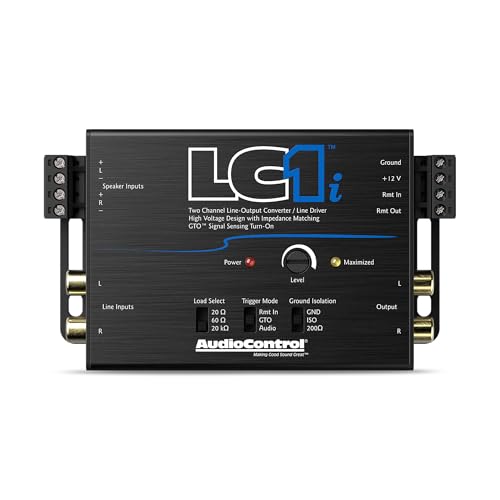
AudioControl LC1i Active 2-Channel Line Driver & Line Output Converter

Pioneer A-Series Standard TS-A1671F 6.5″ 3-Way Coaxial Speakers 320W Max

KICKER Speaker Package of 2 Items: CS Series Two 6.5″ Coaxial Speakers and Two 4″x6″ Coaxial Speakers

PIONEER A-Series Plus TS-A1681F 6.5″ 4-Way Coaxial Car Speakers 350W Max
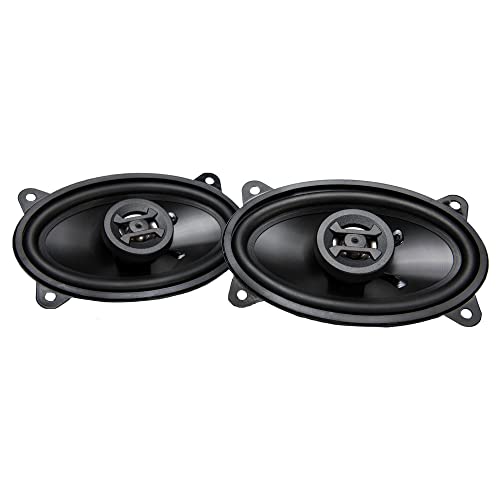
Hifonics Zeus ZS46CX 4×6 Inch 2 Way 200W Car Audio Coaxial Speaker System

Yatour Bluetooth Car Adapter Music CD Changer 6+6PIN CDC Connector for Toyota/Lexus
More Details On Our Top Picks
A 6 x 9-inch coaxial speaker usually makes sense in sedans and larger rear decks, and this Pioneer set leans into that familiar factory-replacement lane. The 3-way layout separates bass, midrange, and treble duties, which helps restore detail without pushing the system into a complicated rebuild.
The honest read is that this fits owners who want a cleaner, fuller sound from an OEM power source rather than a full amplifier chain. Compared with the compact Hifonics 4×6 option later in the list, this one is the more straightforward route for larger speaker openings and daily commuting.
Strong Points
- 6 x 9 sizing suits common rear parcel shelf and larger door applications.
- Three-way coaxial design spreads sound duties across separate drivers, which supports clearer vocal presence.
- High-efficiency tuning helps it work sensibly with factory head units.
- Good fit for drivers who want an audible step up without changing the whole audio stack.
Points To Note
- Large speakers are only a clean fit in vehicles that already accept 6 x 9 openings.
- Sound character depends on the original radio, so bass control stays limited without system upgrades.
- Installation depth can still matter in cramped factory mounts.
Feature Snapshot
Who It Suits Best
Daily drivers with factory 6 x 9 openings and a plain radio setup get the most from this Pioneer pair.
Where A Sibling Pick Shines
Pioneer A-Series Standard TS-A1671F 6.5″ 3-Way Coaxial Speakers 320W Max suits compact front-door installs where 6.5-inch fitment matters more than rear deck size.
The LC1i sits in a different lane from the speaker swaps above, because it deals with signal rather than cones and grilles. A line output converter, or LOC, translates a factory speaker-level signal into a form that an amplifier can use, and that matters in builds where the stock head unit stays put.
That makes it a practical piece for subwoofer or amp additions in a car that still needs OEM appearance and factory controls. Compared with the Pioneer speaker options, this one solves the source side of the system, so it suits more involved upgrades and installers who want clean integration.
What We Like
- Active design supports cleaner signal management than a passive adapter in many factory audio builds.
- Useful bridge for adding an amplifier or subwoofer without replacing the dashboard unit.
- Helps preserve the original interface, which matters in newer cabins with climate and vehicle settings tied to the radio.
- Works well for organized retrofit plans where signal quality matters more than flashy hardware.
Small Caveats
- Installation takes more care than a straight speaker swap.
- Best results usually depend on proper gain setup, so a casual plug-in mindset is not a good fit.
- Space behind the dash or under a seat can be a real consideration in smaller vehicles.
Core Details
Who Should Grab It
Car audio upgraders who want to keep the original head unit and add real expansion room will get the most from this unit.
Swap It Out When
PIONEER F-Series TS-F6935R 6″ x 9″ 3-Way Coaxial Car Speakers 230W Max is the better fit for drivers who only need a direct speaker replacement.
This Pioneer pair sits in the sweet spot for many front-door factory upgrades, because 6.5-inch coaxials are common in compact and midsize vehicles. The 3-way layout adds separate tweeter and midrange handling, so the sound should feel less pinched than basic two-driver designs.
Installation adaptors included in the package also reduce the usual hassle of matching factory openings to aftermarket hardware. Compared with the 6 x 9 TS-F6935R above, this one is the safer fit for doors that simply do not have room for the larger frame.
Highlights
- 6.5-inch format covers a wide range of factory front-door locations.
- Three-way layout supports fuller separation across highs, mids, and low end.
- Installation adaptors help reduce fitment guesswork in many retrofit jobs.
- Good match for commuters who want clearer music without a deep-system rebuild.
Worth Noting
- The included adaptors help, but door-panel work still takes patience.
- 320-watt max figures describe peak handling, not a promise of louder sound on their own.
- Factory amplification still sets the ceiling for bass authority.
Details At A Glance
The Right Fit
Drivers replacing tired 6.5-inch door speakers in a normal daily vehicle will find this Pioneer set an easy place to start.
Reach For A Different Pick When
KICKER Speaker Package of 2 Items: CS Series Two 6.5″ Coaxial Speakers and Two 4″x6″ Coaxial Speakers makes more sense for owners managing mixed speaker sizes across more than one location.
This KICKER package stands apart because it covers two different speaker footprints in one purchase, which is handy for vehicles with mixed front and rear openings. The 4-ohm load is the electrical impedance, meaning the system sees a specific resistance level that affects amplifier matching and overall output behavior.
For a car with tired factory cones in more than one location, that bundling can save the usual piecemeal hunt for matching parts. Compared with the single-size Pioneer choices, this one makes more sense for owners dealing with odd OEM layouts rather than a clean uniform install.
Best Bits
- Two speaker sizes in one set fit more unusual factory configurations.
- 4-ohm design keeps compatibility familiar for many car audio setups.
- Helpful for full-cabin refresh plans where several factory speakers need attention.
- Sticking with one brand across sizes can simplify the tonal balance across the car.
Room For Improvement
- Mixed-size bundling only helps when the vehicle actually needs both formats.
- Speaker-package installs can take longer than a simple pair replacement.
- Owners with only one damaged location may not need the extra pieces.
Feature Rundown
Made For
Older sedans, trucks, and project cars with mismatched factory speaker sizes will get the most practical use from this bundle.
A Better Fit Elsewhere
Pioneer A-Series Standard TS-A1671F 6.5″ 3-Way Coaxial Speakers 320W Max is the cleaner choice for a car that only needs one common front-door size.
The A-Series Plus steps up from the standard Pioneer option by moving to a 4-way coaxial layout, which means an extra driver stage for finer separation. In plain terms, that can help the cabin sound less congested, especially in vehicles where door placement and reflections already make the audio work hard.
That extra layering comes with a simple trade-off, though, because more driver complexity does not erase the limits of a factory radio. For drivers who want more texture than the TS-A1671F but still want a familiar 6.5-inch fit, this is the more developed choice.
Upsides
- 4-way coaxial layout adds more driver separation than the 3-way Pioneer set.
- 6.5-inch format keeps it usable in many common door locations.
- Installation adaptors reduce friction in retrofit jobs.
- Good match for drivers who want a more layered presentation from stock locations.
Areas To Watch
- Extra driver count does not remove the need for careful fitment.
- Factory head units still cap how much control the speaker can really show.
- Cabin tuning can matter more here than with simpler speaker designs.
Spec Overview
Whose Shelf It Belongs On
Commuters who want a more polished factory-speaker refresh without changing the dashboard radio will appreciate the extra layering here.
Where Shoppers Go Wrong
PIONEER A-Series Standard TS-A1671F 6.5″ 3-Way Coaxial Speakers 320W Max is the simpler fit for installs where extra driver complexity offers little real-world payoff.
The Hifonics pair is built for tighter openings, and that 4×6 footprint can matter a lot in older dashboards and shallow factory locations. The Mylar dome tweeter handles higher-frequency detail, while the alpha cellulose poly woofers and rubber surround point toward stronger mid-bass response in a small package.
That makes this a sensible choice for cars where space comes first and the original opening leaves little room to improvise. Compared with the Pioneer 6.5-inch and 6 x 9-inch options, this one is the practical route for vehicles that simply do not have those larger dimensions.
Bright Spots
- 4 x 6-inch size works in many cramped OEM locations.
- Mylar dome tweeter supports cleaner high-frequency detail.
- Alpha cellulose poly woofers help keep the sound grounded in the mid-bass range.
- Rubber surround is a smart fit for everyday cabin conditions.
Softer Spots
- 4 x 6 format is inherently more limited than larger speaker sizes.
- Shallow spaces may still need careful measurement before installation.
- Pair-only format does not address vehicles needing a full cabin refresh.
Technical Sheet
Built With In Mind
Owners of older cars, compact coupes, and dashboard-heavy layouts will find the 4 x 6 format easier to place than larger speakers.
Another Choice May Suit
PIONEER A-Series Standard TS-A1671F 6.5″ 3-Way Coaxial Speakers 320W Max suits vehicles with room for a larger door-based installation.
This Yatour adapter is for a very specific job, it brings Bluetooth playback into select Toyota and Lexus vehicles through the original CD-changer port. That preserves the factory radio look while adding wireless playback, which is useful in older cabins that still sound fine but feel dated at the source.
One practical note deserves attention: a Y cable is needed when the CD-changer port is already occupied by navigation or AUX gear. Compared with the speaker upgrades above, this is the most source-focused item in the roundup, and it suits drivers who care more about modern input than changing drivers and cones.
Positives
- Uses the original changer connection for a clean factory-style install.
- Adds Bluetooth playback without changing the dashboard appearance.
- Helps bring wireless use to select Toyota and Lexus radios.
- Wire-harness integration keeps the path straightforward for the right vehicle.
Things To Consider
- Vehicle compatibility is narrow, so model fit needs attention.
- A Y cable is needed when the changer port is already taken by other equipment.
- Best suited to owners comfortable working with OEM-style connections.
Core Details
Perfect Match For
Owners of supported Toyota or Lexus models who want Bluetooth playback without replacing the original radio will get the most from this adapter.
Look Elsewhere When
AudioControl LC1i Active 2-Channel Line Driver & Line Output Converter is the better route for full amplifier and subwoofer integration in a broader factory audio build.
How To Choose The Right Factory Car Sound Systems
Start With The Factory Opening
Speaker size decides a large part of the job before sound quality even enters the picture. A 6 x 9 like the Pioneer TS-F6935R fits broader openings, while 6.5-inch models such as the TS-A1671F and TS-A1681F suit many common doors, and 4 x 6 choices like the Hifonics Zeus ZS46CX work in tighter OEM spaces.
Fitment also affects install effort. A system that matches the factory cutout usually needs less trimming, fewer brackets, and less guesswork behind the panel.
Match The Upgrade To The Signal Path
Not every factory audio job starts with speakers. The AudioControl LC1i matters because it translates a radio’s speaker-level output into something an amplifier can use, which is the bridge many serious builds need before a subwoofer enters the picture.
That distinction matters in vehicles where the stock head unit controls vehicle functions or visual styling. In those cases, keeping the radio and improving the path behind it often makes more sense than swapping the whole dashboard.
Choose Driver Count For The Kind Of Detail Wanted
Three-way and four-way coaxial speakers split audio duties across more drivers, which can help vocals and upper detail sound less crowded. A two-way design keeps things simpler, and that can be enough in compact cars or older systems that need a clean refresh rather than a more layered presentation.
The trade-off is straightforward, more driver complexity can sound more refined, but only when the vehicle fit, factory power, and placement are working together. For most daily drivers, balance beats raw peak numbers.
Think About The Whole Cabin, Not Just One Corner
Mixed-size cars often need more than a single pair. The KICKER package covers both 6.5-inch and 4 x 6-inch spots, which helps in trucks, older sedans, and vehicles with uneven factory layouts.
That broader view saves time during planning and avoids ending up with one corner of the cabin sounding new while the rest still feels tired. A coordinated refresh tends to age more gracefully.
What To Weigh Before You Decide
Common Shopping Slip Ups
One frequent mistake is buying by wattage alone. Peak power numbers can look impressive, yet fitment, impedance, and factory head-unit quality still shape the real result.
Another common miss is skipping the connector check. The Yatour adapter and the AudioControl LC1i both depend on specific vehicle-side integration, so the wrong connection path can turn an easy upgrade into a stalled one.
Where The Extra Money Goes
Higher-tier options usually pay for more driver layers, better signal handling, or broader fit flexibility. The Pioneer A-Series Plus adds a 4-way layout, while the AudioControl LC1i addresses signal conversion rather than just speaker replacement.
That extra cost tends to make sense in vehicles where cabin noise, OEM head-unit limits, or odd factory layouts create more friction. A simple commuter with standard 6.5-inch doors may not need the extra complexity.
Frequently Asked Questions
What makes a good factory speaker replacement?
A good replacement matches the original opening and works cleanly with the vehicle’s existing power. Balanced voicing and sensible impedance matter more than flashy peak numbers.
Do coaxial speakers work with stock radios?
Yes, coaxial speakers are commonly used with factory head units. Higher-efficiency models usually make that pairing easier to live with.
Why add a line output converter?
A line output converter lets an aftermarket amplifier receive a proper input from a factory radio. That keeps the original dashboard unit in place while opening the door to stronger system expansion.
Is a Bluetooth adapter a full audio upgrade?
No, a Bluetooth adapter changes the source, not the speakers or amplification. It matters most for drivers who want wireless playback without a dashboard replacement.
What matters most during installation?
Fitment, connector compatibility, and available space matter first. Careful measurement and vehicle-specific checking prevent most of the common headaches.