


Factory audio often reaches a ceiling long before the rest of the car does. Some setups need cleaner signal handling, others need better speakers, and many need a head unit that finally speaks the same language as the rest of the cabin.
This roundup focuses on the parts that solve those common pain points without turning a dash into a project car. The selections below suit commuters, weekend installers, and anyone replacing weak factory sound with something more controlled.
Quick Look At The Shortlist
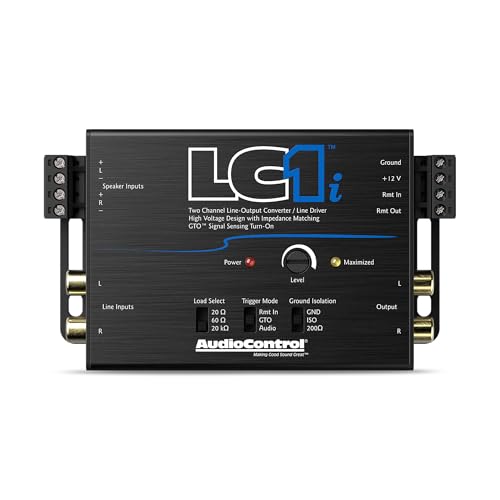
AudioControl LC1i Active 2-Channel Line Driver & Line Output Converter

KICKER CS Series 6.5″ and 4×6″ Coaxial Speaker Package

PIONEER A-Series Plus TS-A1681F 6.5″ 4-Way Coaxial Car Speakers

Kissound Double Din Car Stereo with 7″ HD Touchscreen

BOSS Audio Systems BCP62-RC Car Stereo
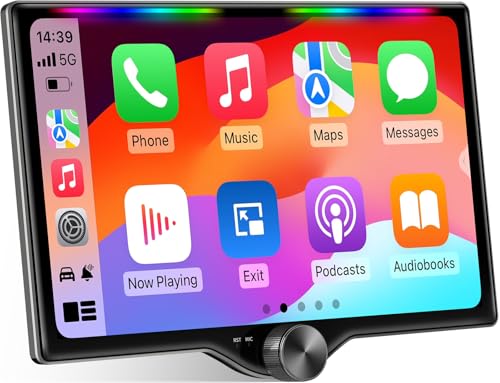
Kissound 10.1″ QLED Double Din Car Stereo
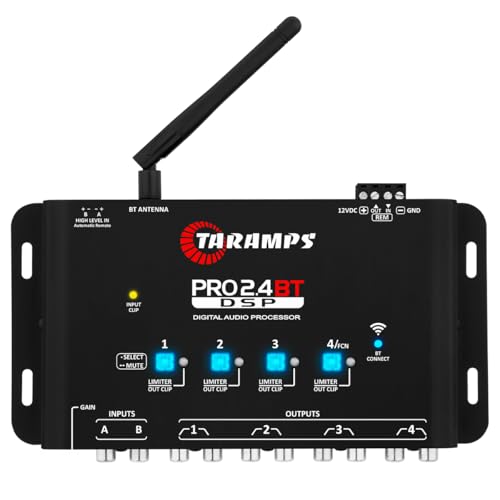
Taramp’s Pro 2.4 BT Bluetooth DSP Crossover
Signal conversion is the whole story here. In a factory setup, that usually matters more than raw power, because a clean feed lets an added amplifier or subwoofer do its job without fighting the head unit.
The LC1i suits systems that need a line-level path from speaker outputs, especially after an OEM unit stays in place. It leans toward the installer who wants control and clarity rather than a flashy screen, and that’s a sensible trade for many daily drivers.
Strong Points
- Line-output conversion helps bridge factory audio to external amps without forcing a full dash replacement.
- Active signal handling suits subwoofer additions and other expansion work in tighter factory systems.
- Impedance matching supports better compatibility with OEM output stages, which can matter in older vehicles.
- Compact signal processor format keeps the install footprint modest inside crowded trim spaces.
Things To Consider
- Setup is more technical than a simple speaker swap, so it fits installers or experienced hobbyists best.
- It solves signal problems, not speaker placement, so cabin acoustics still matter.
Feature Snapshot
Who It Suits Best
Factory-system owners planning an amplifier or subwoofer add-on get the most from this kind of interface piece.
A Better Fit Elsewhere
PIONEER A-Series Plus TS-A1681F works better for shoppers who need a straightforward speaker replacement rather than signal conversion hardware.
This package covers two common factory cutouts in one shot, which is useful in older cars that mix 6.5-inch and 4×6-inch positions. That sort of mismatch can be annoying during an upgrade, and this bundle trims some of that guesswork.
Coaxial speakers keep the tweeter and woofer in the same frame, so the install stays simpler than with a component setup. For commuters wanting cleaner door and dash sound without building a full custom stage, the package format makes practical sense.
What We Like
- Two speaker sizes in one bundle simplify mixed-location factory refreshes.
- Coaxial design keeps installation more direct than separate-tweeter systems.
- Useful for aging cabins where the factory paper cones have lost clarity.
- Package format can reduce the need to source two separate speaker pairs.
Room For Improvement
- Mixed-size kits still require the right factory openings, so fitment checking matters.
- Owners seeking a fully staged sound image may prefer a component speaker path instead.
- The bundle focuses on speaker refresh, not signal processing or head-unit features.
Core Details
Who Will Love This
Older sedans, compact cars, and daily drivers with mixed speaker sizes benefit most from this package.
Where A Sibling Pick Shines
PIONEER A-Series Plus TS-A1681F is the cleaner fit for a shopper who wants a single-size 6.5-inch upgrade instead of a mixed bundle.
The 4-way layout is the detail that changes the character here. Four-way coaxial speakers spread the job across more driver elements, which can help keep vocals, treble, and bass cues from collapsing into one flat layer.
That makes sense for factory replacement work in compact cabins where owners want an easy step up from worn stock speakers. Compared with the KICKER bundle, this one is less about mixed-size coverage and more about a straightforward 6.5-inch swap with installation adaptors already included.
Highlights
- 4-way coaxial construction gives the speaker set a more layered playback structure.
- 6.5-inch size fits a very common factory opening.
- Installation adaptors are included, which can save time during a basic swap.
- Balanced voicing suits daily listening more than exaggerated cabin-bass tuning.
Points To Note
- Best results still depend on the vehicle’s doors, trim sealing, and source unit.
- Shoppers needing both 6.5-inch and 4×6-inch coverage may prefer the KICKER package.
Details At A Glance
The Right Fit
Commuters and weekend installers wanting a clean, single-size speaker refresh get strong value from this Pioneer set.
Another Choice May Suit
AudioControl LC1i works better for factory systems that need signal conversion before any speaker change makes sense.
A 7-inch touchscreen changes the center stack more than most speaker upgrades ever will. That matters on long daily commutes, because a larger display usually makes source switching, phone integration, and camera use easier to read at a glance.
The feature set is broad, but the real appeal is practical: wireless phone integration, steering-wheel control support, subwoofer output, and a rear camera input all point toward a more complete replacement for a tired factory radio. The trade-off is simple, a richer feature list usually brings more setup work than a basic CD-era swap.
Upsides
- Wireless smartphone integration reduces cable clutter in the cabin.
- 7-inch HD display gives the dash a larger, easier-to-read control surface.
- Steering-wheel control support helps preserve familiar in-car control habits.
- Subwoofer output and camera input support a more complete system rebuild.
Small Caveats
- Feature-heavy head units usually take longer to configure than basic radios.
- Mirror link and phone features depend on the device side of the connection.
- Dash compatibility and trim fit deserve a careful check before purchase.
Technical Sheet
Built With In Mind
Drivers replacing an aging factory radio with a modern screen and camera support will get the most use out of this unit.
Look Elsewhere When
BOSS Audio Systems BCP62-RC is the simpler fit for a basic CarPlay-focused swap with less screen real estate to manage.
This head unit takes a simpler route than the Kissound touchscreen above. It keeps the focus on CarPlay and a double-DIN fit, which is a sensible formula for drivers who want a cleaner dash without a huge feature stack to learn.
The backup camera support adds everyday usefulness, especially in tighter city parking or older vehicles with limited rear visibility. In most cases, that kind of direct, functional layout is easier to live with than an overbuilt screen that spends half its time on settings pages.
Reasons To Buy
- CarPlay support streamlines phone-based navigation, calls, and music access.
- Double-DIN sizing fits many factory radio openings with less dramatic trim work.
- Backup camera support adds confidence in narrow parking spaces.
- Clearer focus on core radio functions keeps the interface less crowded.
Areas To Watch
- Drivers wanting a large display and broader feature menu may prefer the Kissound 10.1-inch unit.
- Head-unit swaps still depend on vehicle dash kit and wiring compatibility.
- Feature depth is narrower than on the higher-end screen-focused options.
Spec Overview
Perfect Match For
Commuters and first-time head-unit upgraders who want a straightforward interface with camera support fit this model well.
Where A Sibling Pick Shines
Kissound Double Din Car Stereo with 7" HD Touchscreen suits shoppers who want a larger display and more system features in one unit.
The larger 10.1-inch QLED display gives this unit a more commanding presence than the BOSS and the 7-inch Kissound above. QLED, short for quantum-dot light-emitting display, usually points to stronger color rendering and a punchier visual feel, which helps on bright dashboards.
The luminous bar and dual subwoofer output make it feel more system-oriented, not just screen-oriented. That suits drivers building a cabin with a stronger visual identity and more layered audio control, though the extra hardware style can feel like too much for a plain commuter.
Bright Spots
- 10.1-inch QLED display gives the dash a large, high-visibility control surface.
- Wireless CarPlay and Android Auto reduce cable clutter.
- Dual subwoofer output helps a more ambitious audio setup take shape.
- Navigation and FM/AM support keep it useful beyond phone mirroring.
Softer Spots
- The larger screen may feel oversized in compact dashboards.
- More visual features usually mean more setup and menu time.
- Drivers after a simple, low-profile radio may find it more elaborate than needed.
Feature Rundown
Whose Shelf It Belongs On
Drivers building a more feature-dense dash with visible audio tuning options will get the most from this model.
Skip It When
BOSS Audio Systems BCP62-RC fits better for a cleaner, more understated double-DIN replacement with fewer visual extras.
DSP, short for digital signal processor, is the tuning piece serious factory-system upgrades often need after the basic hardware is in place. This unit gives access to app-based control, which can be handy for installers fine-tuning a cabin with mixed speaker locations or a subwoofer added later.
The 15-band graphic EQ and 12 preset EQ options give it more shaping range than a simple line converter like the AudioControl LC1i. The trade-off is obvious, it asks for more tuning knowledge, but that extra control pays off in systems where clarity, balance, and input flexibility matter.
Standout Traits
- Bluetooth control and app access make tuning adjustments easier to revisit after installation.
- 15-band graphic equalization supports detailed cabin correction.
- 12 preset EQ options suit quick changes between listening profiles.
- High-level input and 2-in, 4-out routing make it flexible for larger system layouts.
Minor Gripes
- It rewards careful setup, so casual installs may not use the full feature set.
- Owners who only need speaker-level conversion may find it more complex than necessary.
- Tuning through an app adds another layer to keep organized during installation.
Core Details
Made For
Installers and hobbyists building a more controlled factory audio system with app-based tuning will get the most from this unit.
Swap It Out When
AudioControl LC1i suits the simpler upgrade path better for owners who only need clean signal conversion without full DSP control.
How To Choose The Right Factory Car Audio Systems
Start With The Weak Link
Factory audio problems usually begin in one of three places: the source unit, the speakers, or the signal path. A car with dull but stable playback often needs speaker replacement first, while a setup that distorts at higher volume can benefit more from a line driver or DSP. The right fix depends on which part is limiting the cabin.
That’s why the AudioControl LC1i and Taramp’s Pro 2.4 BT sit in different lanes from the speaker sets and head units. One cleans up the path into an amplifier, while the other shapes the sound after the basics are already in place. Matching the part to the problem keeps spending focused.
Match The Hardware To The Vehicle
Fitment matters more than most first-time installers expect. A 6.5-inch coaxial speaker can be a neat upgrade in one sedan and a mismatch in another, while a double-DIN radio only works cleanly in a dash built for that shape or a proper kit.
The KICKER package makes sense in cars with mixed openings, and the Pioneer set is the cleaner route for a common 6.5-inch swap. Meanwhile, the Kissound and BOSS head units suit drivers replacing an old dash unit rather than chasing sound quality through speakers alone.
Decide How Much Control Is Needed
Simple upgrades are easier to live with. A speaker swap gives a quicker result, and a basic CarPlay head unit changes daily use without asking for deep tuning knowledge.
Higher-control gear costs more because it adds routing, equalization, app control, or extra display hardware. That extra control matters most in systems with added subwoofers, factory amplifier quirks, or a strong desire to tune the cabin rather than accept the stock sound shape.
Things Worth Knowing First
Common Shopping Slip Ups
One common mistake is buying a speaker size before checking the actual openings. Another is adding a head unit without confirming dash depth, wiring, or steering-wheel control support.
Another trap is expecting a line converter to fix weak speakers. It only handles the signal handoff, so tired factory drivers still need replacement.
What The Higher Tier Buys
More expensive gear usually brings better control, broader connectivity, or easier tuning. In this group, that shows up in DSP features, larger displays, wireless phone integration, and more flexible audio routing.
The upgrade makes sense for systems with subwoofers, multi-channel layouts, or a strong need to preserve cabin usability during a full refresh. For a simple daily commuter, a clean speaker swap often delivers the more sensible return.
Frequently Asked Questions
What makes a factory car audio upgrade worth it?
A worthwhile upgrade fixes a clear weak point, such as poor speaker clarity, limited source control, or a noisy signal path. The best results usually come from matching the part to the problem instead of replacing everything at once.
Are coaxial speakers enough for most daily drivers?
Coaxial speakers suit many everyday cabins because they combine the drivers in one frame and keep installation simpler. Component systems still make sense for more advanced front-stage builds.
Do head units with large touchscreens fit every car?
No, dash size and mounting depth decide the fit. A larger display also asks for more trim attention and can feel oversized in smaller dashboards.
What does a DSP add to a factory audio system?
A DSP adds detailed control over equalization, routing, and signal shaping. That helps when the cabin needs more than a basic speaker swap can provide.
Is a line output converter the same as a full processor?
No, a line output converter mainly adapts a factory signal for external amplification. A full processor like a DSP adds much deeper tuning control.