

High-end car audio setups reward careful matching, not random upgrades. The right mix of head unit, amplification, speakers, and tuning can turn a noisy daily commute into a cleaner, more controlled listening space.
This roundup focuses on gear that suits stock systems, full aftermarket builds, and mixed setups. Some picks are simple drop-in upgrades, while others make more sense for installers who want finer control over stage, output, and integration.
Quick Look At The Shortlist

Pioneer DMH-1600NEX 6.8″ Capacitive Touchscreen Double Din Car Stereo

Focal ASE130 Auditor EVO Series 5.25″ 2-Way Component Speaker Kit

Fosi Audio CA30 4 Channel Car Amplifier

Focal Access 165A1 6.5″ 120 Watts 2-Way Car Audio Component Speaker Kit

AudioControl D-6.1200 Matrix DSP 3/4/5/6-Channel Car Audio Amplifier

Alpine S2-A36F S-Series Class-D 4-Channel Amplifier
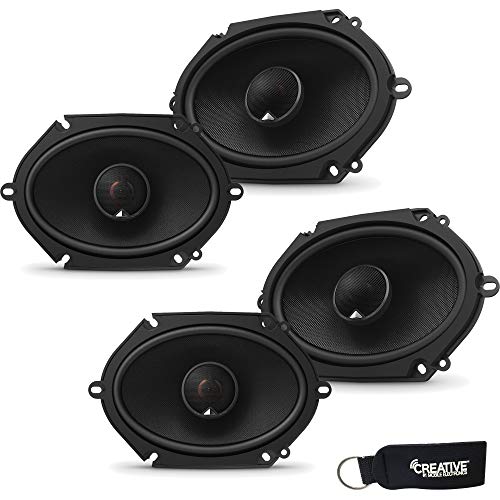
JBL STADIUMGTO860 Stadium Series 6×8 Inch Car Audio Speaker Systems
More Details On Our Top Picks
Dash upgrades like the Pioneer DMH-1600NEX suit daily commuters who want cleaner control without overcomplicating the cabin. The 6.8-inch capacitive screen, meaning it responds to finger touch rather than pressure, gives the interface a modern feel, while wired CarPlay and Android Auto keep phone functions organized.
The trade-off is obvious for anyone who wants a simpler deck, because wiring and integration matter more here than with a basic media unit. Front, rear, and subwoofer RCA preouts also make this a practical anchor for a fuller system, so installers and drivers planning later expansion get more room to grow.
Strong Points
- Capacitive touchscreen feels faster than resistive dashboards.
- Wired CarPlay and Android Auto simplify phone access on the move.
- Front, rear, and sub preouts support system expansion.
- Bluetooth and USB cover everyday playback and charging needs.
- Backup camera input helps with larger vehicles and parking routines.
Things To Consider
- Wired phone mirroring keeps the cable in the equation.
- Double-DIN fitment needs the right dash opening or kit.
- The menu layout will feel busy for drivers who want bare-bones controls.
Feature Snapshot
Who It Suits Best
Drivers building a cleaner infotainment setup in a daily-use car will get the most from this deck.
A Better Fit Elsewhere
Alpine S2-A36F S-Series Class-D 4-Channel Amplifier suits shoppers who already have a source unit and want a more focused power stage.
Front-stage speakers often make the biggest difference in a car that already has enough source power, and the Focal ASE130 fits that role neatly. A 2-way component kit splits the woofer and tweeter duties, so vocals and upper detail can sit higher in the cabin instead of clustering low in the doors.
That separation is useful in a commuter car or weekend build where dialogue, podcasts, and clean music playback matter more than sheer bass output. The honest read is that this format asks for a more careful install than a simple coaxial swap, but the payoff is usually better staging and more control.
What We Like
- Separate tweeter and woofer roles support clearer imaging.
- 5.25-inch size fits many compact door locations.
- Better suited to front-stage focus than rear-fill duty.
- Pairs well with a stronger head unit or amplifier.
Worth Noting
- Component layouts need more installation planning than coaxial speakers.
- 5.25-inch drivers may feel modest in larger cabins.
- Door treatment and positioning matter more than with plug-in replacements.
Core Details
Built With In Mind
Front-seat listeners who value vocal clarity and a cleaner soundstage are the right match here.
Where A Sibling Pick Shines
JBL STADIUMGTO860 Stadium Series 6×8 Inch Car Audio Speaker Systems suit larger doors and shoppers who want a broader drop-in fit.
Small amplifiers like the Fosi Audio CA30 make sense in builds where space is tight but signal control still matters. Its class D design, a switching amplifier type that usually stays compact and runs efficiently, suits under-seat or hidden installs better than larger traditional units.
The RCA and high-level inputs widen compatibility, so it can work beside aftermarket decks or factory head units. That flexibility helps in mixed systems, though the small chassis also means careful gain setup and sensible expectations around power delivery.
Upsides
- Micro-sized body suits cramped mounting spots.
- RCA and high-level inputs broaden integration options.
- Four channels support front and rear speaker layouts.
- Bridging support adds room for subwoofer use.
- Low-noise design goal favors cleaner everyday playback.
Areas To Watch
- Compact size means less headroom than larger external amps.
- Setup matters, especially in mixed factory-and-aftermarket systems.
- Best results usually come from tidy wiring and firm mounting.
Spec Overview
Right Fit For
Installations that need a compact amp for a sedan, hatchback, or hidden mounting spot suit this model well.
Another Choice May Suit
AudioControl D-6.1200 Matrix DSP is the more appropriate step for complex builds that need deeper tuning control.
Older-but-still-relevant component kits often earn their place by staying straightforward, and the Focal Access 165A1 follows that logic. The 6.5-inch size is a familiar fit for many door openings, which can make replacement planning easier in cars that need a direct upgrade path.
Compared with the smaller Focal ASE130, this set is the more familiar match for broader door coverage and a fuller midbass presentation. The trade-off is simple: component speakers reward careful positioning, so the result depends heavily on mounting, door sealing, and amplifier pairing.
Reasons To Buy
- 6.5-inch format works with many common door cuts.
- Two-way layout supports cleaner frequency separation.
- Useful step up from tired factory speakers.
- Pairs naturally with a modest external amp.
Points To Note
- Door tuning and installation care affect the end result.
- Component design takes more effort than all-in-one coaxials.
- Older model positioning may matter for shoppers focused on current ecosystem trends.
Details At A Glance
Whose Shelf It Belongs On
Owners replacing worn door speakers in a wide range of cars and trucks will find this size and format easy to work with.
Where A Sibling Pick Shines
Focal ASE130 Auditor EVO Series 5.25″ 2-Way Component Speaker Kit suits tighter front doors and smaller mounting spaces.
System builders who want tuning control usually land in AudioControl territory, and the D-6.1200 leans hard into that role. A digital signal processor, often shortened to DSP, lets an installer shape timing and EQ with far more precision than a plain amp.
The 30-band equalizer and AccuBASS feature make this a serious fit for mixed OEM and aftermarket systems, especially where factory bass behavior needs correction. It asks for more setup knowledge than the Alpine S2-A36F, but that extra work buys finer control and a more tailored result.
Bright Spots
- DSP control gives installers finer sound shaping tools.
- Works with factory and aftermarket systems.
- 30-band EQ allows detailed tonal adjustment.
- Multiple channel layouts support different build plans.
- AccuBASS helps manage weak low-end response from source units.
Softer Spots
- Setup takes more patience than a basic amplifier.
- Best results usually depend on careful tuning.
- Overkill for a simple speaker swap.
Feature Rundown
The Right Fit
Custom installers and serious hobbyists who want adjustable signal shaping will get the most out of this unit.
Skip It When
Fosi Audio CA30 4 Channel Car Amplifier is the simpler match for smaller builds that need basic amplification without the tuning layer.
The Alpine S2-A36F fits the kind of build that wants orderly power rather than a sprawling feature set. Its class D design keeps the chassis practical for modern car audio installs, and the Hi-Res Certified label points to a model aimed at detail-focused playback chains.
With 60 watts by 4 channels at 4 ohms and 90 watts by 4 at 2 ohms, this amp suits standard speaker upgrades and clean front-rear layouts. Compared with the AudioControl D-6.1200, it is the easier-going choice for drivers who want a straightforward amplification stage instead of a DSP-heavy setup.
Standout Traits
- Four-channel layout supports common stereo builds.
- Power output fits many speaker upgrade plans.
- Hi-Res Certified position favors detailed playback chains.
- Class D format helps keep installation practical.
Small Caveats
- Single-purpose design leaves less room for deep tuning.
- Best suited to systems that already have a solid source unit.
- Higher-end processing seekers may want more controls.
Feature Card
Perfect Match For
Drivers who want a clean four-channel amp for a daily system without extra processing clutter are the sweet spot here.
Where Another Pick Fits Better
AudioControl D-6.1200 Matrix DSP suits installers who need stronger tuning tools and broader channel flexibility.
Large-format door speakers often make a system feel more complete without forcing a full rebuild, and the JBL STADIUMGTO860 follows that path. The 6×8-inch size is useful in vehicles that accept that footprint natively, especially when factory speakers feel flat and underpowered.
Because this set comes as two pairs, it suits broader cabin coverage or a more complete front-and-rear refresh. Compared with the Focal Access 165A1, the JBL route leans harder into an easier size match for many vehicles, though fitment always depends on the door opening and mounting depth.
Best Bits
- 6×8-inch format matches many factory openings.
- Two pairs support a fuller cabin refresh.
- Good step-up path from aging stock speakers.
- Useful for front and rear door replacements.
Room For Improvement
- Depth and adapter needs depend on the vehicle.
- Step-up speakers still benefit from proper amplification.
- Door treatment can affect bass body and overall clarity.
Core Details
Made For
Owners replacing multiple factory speakers in vehicles built around 6×8 openings will find the fit logic straightforward.
Look Elsewhere When
Focal ASE130 Auditor EVO Series 5.25″ 2-Way Component Speaker Kit makes more sense for compact front doors and a more focused component layout.
How To Choose The Right High End Car Audios
Match The Source To The Rest Of The System
A head unit with solid preouts makes later expansion easier, especially in builds that will add external amplification. The Pioneer DMH-1600NEX fits that path well because its front, rear, and subwoofer RCA outputs give installers room to shape the system around the dash.
By contrast, a strong amplifier or speaker upgrade without a capable source can leave the system uneven. Daily drivers benefit from a clean signal chain first, then a smarter handoff to amps and speakers.
Separate Simple Upgrades From Full Builds
Component speakers, such as the Focal ASE130 and Focal Access 165A1, suit shoppers who want more front-stage precision. That layout asks for more installation care, but it usually gives a more focused sound than an all-in-one coaxial swap.
Amplifiers add another layer of choice. A compact model like the Fosi Audio CA30 works well in tight spaces, while the AudioControl D-6.1200 and Alpine S2-A36F make more sense when power, tuning, and channel count matter in different ways.
Look At Fitment Before Output Numbers
Speaker size matters as much as wattage. A 5.25-inch kit fits smaller openings more comfortably, while 6.5-inch and 6×8-inch formats can suit broader door panels and easier replacement paths.
Mounting depth, wiring access, and the need for adapters often decide whether a “premium” purchase feels smooth or irritating. That’s why vehicle-specific fit should sit ahead of raw output claims.
Think In Terms Of Use Case
Commuters usually value clean vocals, stable Bluetooth, and quick phone integration. Enthusiasts chasing a fuller system often care more about channel flexibility, tuning controls, and speaker placement.
In a busy family vehicle, simple controls and easy maintenance often matter more than the last bit of tuning freedom. In a project car, that balance shifts toward amps with DSP and speakers that reward careful mounting.
What To Weigh Before You Choose
Common Shopping Slip Ups
A common misstep is pairing a strong amp with weak speakers and expecting the whole system to improve evenly. Another is choosing a speaker size before checking door depth, mounting pattern, and adapter needs.
Factory systems also need the right integration path, especially in cars that use the head unit for more than music. The cleaner route starts with fit, then moves to power and tuning.
The Upgrade Payoff
Higher-tier car audio gear tends to cost more because of better signal control, more careful component matching, and stronger enclosure or chassis design. DSP-equipped amplifiers, component speaker kits, and modern touchscreens all add parts and engineering that a basic upgrade skips.
The extra spend usually pays off in vehicles that see long commutes, frequent road trips, or daily listening at higher volumes. A simpler car that only needs clearer voices and steadier playback can stop at a midrange deck or a basic speaker refresh.
Frequently Asked Questions
What Makes A Car Audio Setup Feel High End?
Careful matching across source, amplification, and speakers matters more than a single flashy part. Clean integration and proper fit usually shape the result more than raw wattage alone.
Do Component Speakers Sound Better Than Coaxial Models?
Component sets often place sound more precisely because the tweeter and woofer can be positioned separately. Coaxial speakers stay simpler to install, so the better choice depends on install goals and cabin layout.
Is A DSP Amplifier Worth It?
A DSP amp makes sense in systems that need timing and EQ control, especially with mixed factory and aftermarket parts. For a straightforward speaker swap, a plain amplifier can be the easier path.
What Size Speaker Fits Most Cars?
There is no single universal size, because door openings and brackets vary widely. 5.25-inch, 6.5-inch, and 6×8-inch formats each solve different fitment problems in different vehicles.
Should A New Head Unit Come Before New Speakers?
A stronger head unit can make later upgrades easier, especially through better connectivity and preout support. In many builds, though, speaker replacement brings the most immediate change in everyday listening.