


Mini-car audio setups live or die on fit, wiring clarity, and how much clean control a compact amp gives back. Some installs only need a tidy two-channel unit for front speakers, while others need extra channels, bridgeable outputs, or Bluetooth support for mixed-use setups. The shortlist below focuses on small-footprint amplifiers that make sense for daily driving, garage builds, and compact home rigs that borrow the same hardware style.
Quick Look At Our Shortlist

BOSS Audio Systems CE102 2 Channel Car Amplifier
Yaeccc Car Amplifier 4 Channel 3200W
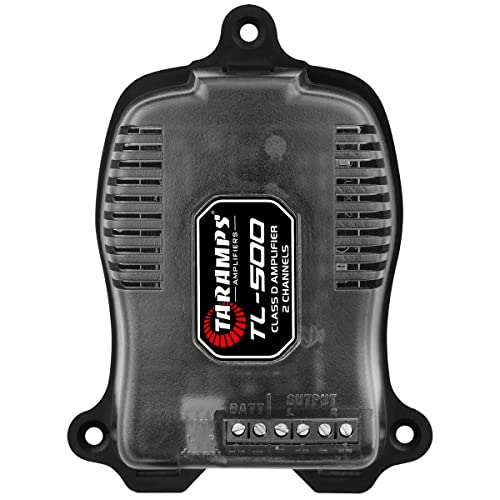
Taramp’s TL 500 Amplifier
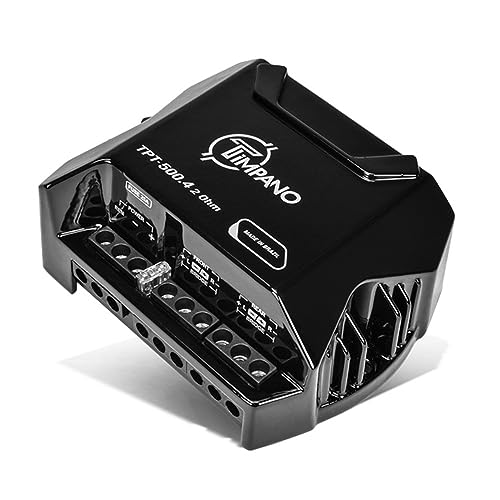
Timpano Audio TPT-500.4 2 Ohm 400 Watt

Taramps TS 400X4 Black 2 Ohms 400W RMS
WOOPKER AK35 Stereo Amplifier Bluetooth 5.0

ARRAROWN AK-380 Bluetooth 5.0 Audio Power Amplifier
The CE102 keeps the focus on two-channel simplicity, which suits front-speaker upgrades and leaner installs that don’t need a full rack of controls. Its high and low pass crossover support helps direct frequencies where they belong, so the setup can feel cleaner than a bare-bones amp in a daily driver.
The honest read is that the appeal sits in restraint, not flash. Professional installation is strongly advised by the source notes, so this fits organized installs better than casual plug-and-play projects.
Strong Points
- Two-channel layout keeps wiring and tuning straightforward.
- Crossover control helps shape speaker output with more precision.
- Compact format suits cramped dash or trunk spaces.
- Good match for front-stage speaker upgrades in commuter cars.
Points To Note
- Install planning matters, since the source guidance points to professional fitting.
- Owners looking for broad input flexibility may want a more feature-heavy model.
Feature Snapshot
Who It Suits Best
Commuters and first-time car-audio upgraders gain the most from the compact layout and simple channel count.
Where A Sibling Pick Shines
Taramps TS 400X4 Black 2 Ohms 400W RMS suits shoppers who want more channel flexibility for a fuller cabin layout.
Yaeccc takes a broader approach than the BOSS two-channel unit, giving four channels for systems that need more speaker coverage. The 12V design aligns with standard vehicle electrical setups, and that makes it easier to place in a car audio build without drifting into specialty territory.
The trade-off shows up in the way feature density can muddy the decision for simple upgrades. Shoppers building a basic front-speaker system may find the extra channels unnecessary, while multi-speaker layouts gain room to grow.
What We Like
- Four channels support more complete cabin coverage.
- Full-range design suits mixed speaker setups.
- 12V operation fits standard vehicle power systems.
- Works well for larger audio plans that need expansion room.
Room For Improvement
- The feature count can be more than a simple upgrade needs.
- Install choices depend on matching the amp to the rest of the system.
Details At A Glance
Best Suited To
Multi-speaker car-audio projects and budget-minded installers need the extra channel count more than casual commuter setups do.
Look Elsewhere When
BOSS Audio Systems CE102 fits better for a simpler front-stage build that does not need four channels.
Taramp’s TL 500 is the small-format choice in this group, and that matters for tight mounting spaces where a bulky chassis would be awkward. Its Class D design keeps the footprint focused, while the A.R.T system and automatic activation point to easier day-to-day operation in compact installs.
For hatchbacks, slim under-seat spaces, or simple two-speaker upgrades, the layout feels purpose-built. One thing worth considering is the 8 to 16 VDC range, which narrows the fit to systems that stay within that electrical window.
Highlights
- Small body makes placement easier in cramped locations.
- Class D format usually suits compact builds that value efficiency in size.
- Automatic activation reduces setup friction in routine use.
- Two-channel layout keeps the signal path clean.
Small Caveats
- The voltage range is specific, so compatibility deserves attention.
- Two channels keep it focused, but not suited to larger cabin layouts.
Core Details
Whose Shelf It Belongs On
Drivers with limited mounting room and a simple two-speaker plan will get the cleanest fit from this model.
Another Choice May Suit
Timpano Audio TPT-500.4 2 Ohm 400 Watt 4 Channel Car Audio Amplifier suits fuller cabins that need more output paths.
Timpano’s four-channel layout sits between the more basic two-channel picks and the more flexible Taramps TS 400X4. That middle ground makes sense for cabin-wide speaker plans, where even coverage matters more than raw feature count.
In most cars, a 4-channel amp like this solves the common split between front and rear speaker runs without making the system feel overbuilt. The practical upside is simpler expansion, though install space still needs a realistic check before the enclosure or trim panels go back in.
Bright Spots
- Four channels support balanced front and rear speaker layouts.
- 2-ohm design broadens system matching options.
- Useful step up for drivers replacing factory audio in stages.
- Comfortable fit for full-cabin planning without excessive complexity.
Worth Noting
- Space planning still matters in smaller vehicle enclosures.
- Shoppers needing input flexibility may prefer the Taramps TS 400X4 Black 2 Ohms 400W RMS.
Spec Overview
Right Fit For
Drivers replacing a factory system in stages get a cleaner path with this four-channel format.
Swap It Out When
Taramp’s TL 500 suits smaller builds that need a more compact two-channel footprint.
This Taramps model pushes further than the Timpano by adding high-level and RCA inputs, which gives older head units and cleaner source gear a path into the same install. Bridgeable channels also broaden the layout options, so the amp can shift from a standard four-speaker plan to a different configuration with less fuss.
That flexibility comes with a more deliberate setup process, and that is the point. Installers working around mixed source gear, retrofit dashboards, or future upgrades will find more room to adapt here than in simpler compact amps.
Reasons To Buy
- High-level and RCA inputs support more source types.
- Bridgeable channels open up alternate system layouts.
- Compact Class D design helps in dense installations.
- Four-channel structure suits structured car-audio projects.
- Matches well with upgrade paths that may change later.
Areas To Watch
- The extra routing options can ask for more planning.
- Shoppers who want simple basics may prefer BOSS Audio Systems CE102.
Feature Rundown
Who Should Grab It
Retrofit installers and system tinkerers get the most value from the input variety and bridgeable layout.
Reach For A Different Pick When
Yaeccc Car Amplifier 4 Channel 3200W suits simpler multi-speaker installs that do not need as much routing flexibility.
The WOOPKER AK35 stretches beyond pure car-audio use, which gives it a different role from the more vehicle-focused picks above. Bluetooth 5.0, USB, TF card, and AUX inputs make it useful in a car, a home corner setup, or a small party rig, and the bass and treble controls help shape the output without much fuss.
That wider role is the trade-off too, since a crossover-focused car amp will usually feel more purpose-built for vehicle installs. For mixed-use households or temporary audio setups, though, the convenience is hard to ignore.
Best Bits
- Bluetooth 5.0 adds easy wireless playback.
- USB, TF card, and AUX inputs widen source options.
- Bass and treble controls support quick tonal shaping.
- Works across car, home, and small event spaces.
Softer Spots
- Cross-use design can feel less specialized for one vehicle.
- Source notes point to a broader receiver style rather than a pure car-audio chassis.
Technical Sheet
Built With In Mind
Mixed-use households and compact hobby setups benefit from the broad source support and easy control layout.
Where A Sibling Pick Shines
BOSS Audio Systems CE102 suits drivers who want a car-first amplifier with crossover control instead of a cross-purpose unit.
ARRAROWN’s AK-380 leans into source variety, and that gives it a familiar, easy-to-live-with feel for desks, garages, and compact stereo corners. USB, SD, AUX, FM antenna support, and Bluetooth 5.0 cover the common playback paths, while the 2.0 channel layout keeps the setup from feeling cluttered.
The catch is that this model ships without a power adapter, so the power side needs attention before placement is finalized. For music setups that need a straightforward mini amp receiver rather than a vehicle-specific crossover tool, the balance is sensible.
Positives
- Bluetooth 5.0 supports simple wireless use.
- USB, SD, AUX, and FM input paths add flexibility.
- Two-channel stereo layout stays easy to place and understand.
- Works well for small home or car playback corners.
Minor Gripes
- No power adapter is included, so setup planning matters.
- Pure car-audio tuning may want a more specialized amplifier than this media-focused unit.
Feature Card
Who Will Love This
Small-space setups that rotate between Bluetooth, stored media, and auxiliary playback make the clearest use of this amp.
Not Your Match When
Timpano Audio TPT-500.4 2 Ohm 400 Watt 4 Channel Car Audio Amplifier is the stronger route for a car-specific multi-speaker plan.
How To Choose The Right Mini-Car Stereo Amplifiers
Channel Count Sets The Shape Of The System
Two-channel amplifiers suit front-speaker upgrades, small cabins, and tight installs where simplicity matters more than routing options. Four-channel models make more sense for full-cabin layouts, since they can cover front and rear speaker runs without forcing awkward compromises.
Bridging, which means combining two channels into one output path, adds layout flexibility on some units. That flexibility is useful for retrofit projects, but it also asks for more planning during installation.
Input Options Decide How Easy The Hookup Feels
High-level inputs accept speaker-level signal from factory radios, while RCA inputs use the lower-level connection common on aftermarket head units. A unit with both gives the widest compatibility, especially in older cars where the source gear is mixed or partially updated.
Bluetooth, USB, SD, AUX, and FM support point in a different direction, toward convenience and mixed media playback. Those features help in garage rigs and compact home setups, though a more focused car amp usually stays cleaner for vehicle-only builds.
Size, Class, And Load Rating Matter More Than Hype
Class D designs usually keep the chassis smaller, which helps under seats and behind trim panels. That smaller form often comes with a neat installation footprint, although the final fit still depends on cable routing and ventilation space.
Load rating also deserves attention, especially with 2-ohm models. Matching the amp to the speaker load prevents mismatched expectations and keeps the system choice grounded in real hardware, not marketing shorthand.
Match The Amp To The Job, Not The Label
Basic front-stage upgrades need clean channel control and modest size, not a crowded feature sheet. Broader cabin systems, by contrast, benefit from more channels, more input paths, and room to adapt later.
That’s where a compact specialist like the Taramp’s TL 500 differs from a more flexible option such as the Taramps TS 400X4 Black 2 Ohms 400W RMS. The right choice usually comes down to whether the install is staying simple or expected to grow.
What To Weigh Before You Narrow The List
Common Shopping Slip Ups
Many shoppers focus on output language first and system fit second. The safer move is checking channel count, input type, and physical size before anything else.
Another common miss is overlooking installation complexity. A compact chassis can still require careful wiring, especially in vehicles with limited access behind the dash.
What The Higher Tier Buys
More expensive units usually add routing flexibility, bridgeable channels, or broader input support. Those extras matter most in retrofit builds and mixed-source systems.
The upgrade pays off when the system needs to evolve over time, not just play louder. For a simple speaker refresh, basic control is usually enough.
Frequently Asked Questions
What size car setup suits a two-channel amplifier?
Two-channel models suit front-speaker upgrades and compact installs. They keep wiring simpler and take less space than broader multi-channel units.
Do four-channel amplifiers make sense for small cars?
Yes, especially for cabins that need front and rear speaker coverage. The added channels help keep each zone organized.
What does a crossover do in a car amplifier?
A crossover directs frequency ranges so speakers receive a more suitable signal band. High-pass and low-pass settings help separate duties between speakers and subwoofer paths.
Why do some mini amps mention Bluetooth and media inputs?
Those features help with mixed-use setups that shift between wireless playback, USB media, and auxiliary sources. They suit small home corners and garage systems as much as cars.
Is a compact amplifier always easier to install?
Usually, but not automatically. Small size helps, yet wiring access, power planning, and source compatibility still decide how smooth the job feels.