


Cabin noise has a habit of showing up at the wrong time, especially on coarse pavement, in older vehicles, or during long highway runs. These seven car sound dampenings focus on the parts that matter most in daily use, from vibration control to heat blocking and floor, door, and trunk coverage. The goal is simple, quieter driving without overbuying material that doesn’t match the job.
Quick Look At Our Top Seven

Siless Hybrid 3in1 25 sqft Mat

Siless Max 120 mil 30 sqft Mat

KOIKEY Car Sound Deadening Mat 8.7 sqft

CUKWUYBY Butyl Sound Deadening 80mil 36sqft
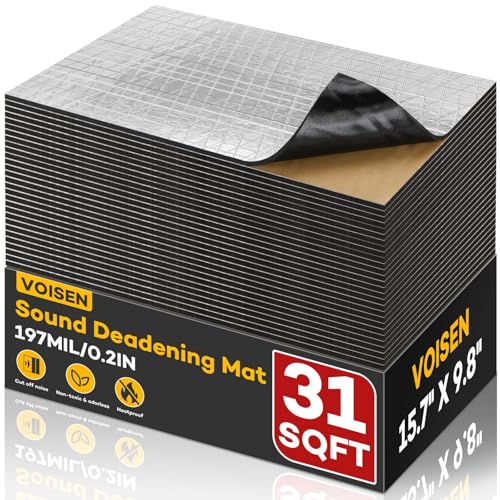
VOISEN Sound Deading Material 31 sqft

AggSound Car Sound Deadening Material 8.61sqft

YesBes 32 sqft Sound Deadening Mat 30 Pcs
More Details On Our Top Picks
The three-layer build gives this Siless Hybrid a more complete profile than a simple butyl mat. Butyl mastic, PE foam, and a mass-loaded butyl membrane work together, so the sheet can address vibration, heat transfer, and low-frequency cabin drone in one pass.
That matters in a daily driver with road rumble, a loud exhaust note, or hot floor sections near the tunnel. The trade-off is thickness, since a composite like this can be less forgiving around tight curves and trim edges than a thinner single-layer sheet.
Strong Points
- Three-layer construction handles more than vibration alone.
- The heat-barrier layer adds value near the floor and tunnel.
- 25 square feet suits targeted cabin jobs well.
- Good fit for drivers chasing a quieter highway feel.
Things To Consider
- Composite thickness can take more effort around curves.
- Smaller coverage means larger vehicles may need more material.
- Works best in planned installs rather than quick patch jobs.
Core Details
Who It Suits Best
Drivers who want a single material for vibration, heat, and cabin drone reduction will get the most from this format.
Swap It Out When
Siless Max 120 mil 30 sqft fits better for larger coverage jobs that lean more toward pure damping than heat blocking.
Siless Max leans into density and coverage, which is the right combination for a car that picks up a lot of tire and panel resonance. The 120 mil thickness puts it in a more serious category than the thinner picks here, though that usually means a bit more care during installation.
In a work truck, commuter sedan, or project car with large bare panels, that extra material depth can feel more decisive than a lighter sheet. The honest read is that it suits owners who want damping first, with less emphasis on adding an extra heat barrier layer.
What We Like
- 120 mil thickness gives it a substantial damping profile.
- 30 square feet covers more of a cabin than smaller kits.
- Well suited to louder road surfaces and bigger panel sections.
- Single-purpose focus keeps the product easy to plan around.
Room For Improvement
- Thicker sheets can be slower to place neatly.
- Does not present the layered heat-blocking approach of Siless Hybrid.
- Large jobs may still call for more than one kit.
Feature Snapshot
Made For
Enthusiasts, commuters, and owners of louder vehicles who want a fuller damping layer without extra material complexity fit this pick well.
Another Choice May Suit
KOIKEY Car Sound Deadening Mat 8.7 sqft works better for smaller interior sections that need foil and foam layering more than coverage.
KOIKEY takes a layered approach with aluminum foil, foam, and butyl elements, so the sheet reads as more than a basic vibration pad. That kind of build is useful in doors, trunks, and floor pans where reflected noise and heat can both matter.
The 8.7 square foot format makes it a tighter fit than Siless Max or the larger 31 and 36 square foot kits, which is the main limitation. For small repair work or a first sound-damping step, though, that smaller package can feel manageable and easier to place.
Upsides
- Foam, foil, and butyl give it a layered makeup.
- Useful for door, trunk, and floor applications.
- Smaller coverage helps keep a project controlled.
- Good match for mixed noise and heat concerns.
Minor Gripes
- 8.7 square feet is modest for full-cabin coverage.
- Small kits can mean more planning across larger panels.
- Less coverage than the Siless, VOISEN, and YesBes options here.
Details At A Glance
Right Fit For
Owners tackling a door, trunk lid, or a limited cabin section will get the clearest benefit from this compact kit.
Where A Sibling Pick Shines
VOISEN Sound Deading Material 31 sqft suits larger cabin plans better, especially where coverage matters more than a compact footprint.
CUKWUYBY stands out for coverage first, since 36 square feet spread across 33 pieces gives installers plenty to work with. That layout is handy in a garage session where large doors, floors, or rear cargo panels need multiple cuts rather than one oversized sheet.
At 80 mil, it sits thinner than the Siless Max and the thicker 197 mil options, so the trade-off is straightforward. It’s a sensible route for broad-area coverage and incremental cabin improvement, not the heaviest damping build in the group.
Best Bits
- 36 square feet gives strong overall coverage.
- 33-piece format helps with section-by-section installs.
- 80 mil thickness keeps handling less cumbersome than thicker kits.
- Fits multi-panel projects with a practical material split.
Softer Spots
- Thinner than the 120 mil and 197 mil picks here.
- Many pieces mean more seams to plan around.
- Best suited to coverage-heavy jobs, not maximum-density goals.
Quick Facts
Whose Shelf It Belongs On
Garage installers and everyday drivers tackling a wider interior refresh will find the format especially practical.
Reach For A Different Pick When
Siless Hybrid 3in1 25 sqft makes more sense for heat blocking in a smaller, more focused area.
VOISEN lands in a useful middle zone, with 31 square feet and a 197 mil profile that points toward stronger coverage and damping than a light trim kit. For most sedan, SUV, or hatchback projects, that balance can feel easier to plan than the smaller KOIKEY bundle.
The product line also suggests multiple size variants, which signals a format built around different vehicle needs rather than a single rigid use case. The catch is that the thicker construction can still require patient fitment, especially around stamped metal shapes and wiring runs.
Highlights
- 31 square feet gives practical full-cabin reach.
- 197 mil thickness points to serious damping intent.
- Fits a wide range of common vehicle projects.
- Multiple size references suggest flexible planning options.
Worth Noting
- Thicker sheets need careful placement in tight spaces.
- Large jobs may still call for more than one package.
- No extra layering details are listed in the source data.
Feature Rundown
Best Suited To
Owners planning a broad interior refresh with a thicker material profile will get a sensible fit here.
Look Elsewhere When
AggSound Car Sound Deadening Material 8.61sqft works better for compact jobs where smaller coverage is enough.
AggSound is the smallest kit in this group, and that makes it easy to fit into a limited project or a single-area job. The 197 mil thickness keeps it in the heavier-duty conversation, even though the 8.61 square foot coverage is clearly aimed at smaller spaces.
That combination works well for a door card, a trunk section, or a focused car-audio area where excess material would be wasted. One thing worth considering is storage and leftovers, since a compact pack like this is easier to keep around for a follow-up repair.
Bright Spots
- Compact coverage suits focused install zones.
- 197 mil material gives it a substantial feel.
- Useful for audio-area tuning and quick upgrades.
- Easier to store than larger kits.
Areas To Watch
- 8.61 square feet is limited for broad cabin coverage.
- Better as a targeted kit than a full-vehicle solution.
- Smaller size can mean more selective planning.
Core Details
The Right Fit
Drivers focused on one door, one trunk section, or a compact audio area will find this format easier to manage.
Skip It When
YesBes 32 sqft Sound Deadening Mat is the better match for a whole-cabin project that needs a larger material pool.
YesBes lands as the broad-coverage option in the group, with 32 square feet divided into 30 pieces and a 197 mil, three-layer build. That layout is convenient in a family vehicle, a van, or a longer interior project where the material needs to be broken into manageable sections.
The 15.7 by 9.8 inch piece size keeps each panel easy to stage, though the kit still asks for planning so seams don’t become messy. Compared with AggSound’s compact pack, this one is plainly better suited to full-vehicle coverage and multi-zone installs.
Positives
- 32 square feet gives a strong coverage footprint.
- 30-piece layout helps divide a large project.
- Three-layer structure points to broader damping intent.
- Piece size is manageable for typical interior panels.
Small Caveats
- More pieces mean more layout decisions during install.
- Large-kit planning matters on irregular panels.
- Thickness can feel less forgiving in tight corners.
Technical Sheet
Built With In Mind
Shoppers planning a broad cabin refresh or a multi-panel install will find the layout especially workable.
Another Choice May Suit
Siless Max 120 mil 30 sqft suits drivers who want a denser single-material focus without the extra piece count.
How To Choose The Right Car Sound Dampenings
Match The Material To The Noise Source
Road hum, exhaust drone, and panel resonance do not always respond to the same build. A thick butyl sheet helps with vibration control, while layered foam-and-foil constructions add another route for heat and cabin noise management.
That distinction matters in real use. A commuter sedan with tire roar needs different material behavior than a trunk lid rattling over rough pavement.
Coverage Matters More Than Marketing Phrases
Square footage tells a useful story, especially in a full interior install. Small kits can solve one door or one cargo panel, but a larger vehicle usually needs more material than the first estimate suggests.
Piece count also matters. More smaller pieces make layout easier around brackets and wiring, while fewer larger sections reduce seams.
Thickness, Layers, And Install Effort
Thickness, often shown in mils, affects handling as much as damping intent. Thicker material usually feels firmer and can need more patience around curves, seams, and stamped metal.
Composite layers add function, but they also add bulk. That trade-off makes sense for owners who want more than a basic vibration sheet, especially in cars that run hot or carry noticeable cabin drone.
Choose Around The Vehicle, Not The Label
A compact hatchback, a family SUV, and a work van each call for a different coverage plan. The right choice is the one that fits the panel area, the noise source, and the amount of installation time available.
That approach keeps the project grounded. A smaller, denser sheet can beat a larger but weaker kit in a tight zone, while a wide coverage pack makes more sense for broad floor or trunk treatment.
What To Weigh Before The Cart Checkout
Common Shopping Slip Ups
Many installs start with too little coverage, which leaves large panels only half treated. Another common miss is choosing thickness without thinking about access around curves, wiring, and clips.
The cleaner path is simple: map the vehicle sections first, then match coverage and material style to those spaces. That keeps the job from turning into a patchwork fix.
Where The Extra Money Goes
Higher-tier kits usually cost more because of thicker material, extra layers, or larger coverage. Some also add more pieces, which helps with cleaner layout across awkward interior shapes.
The upgrade makes sense for noisy highway vehicles, hot cabins, or full-interior projects. For a single door or trunk section, a simpler sheet often handles the task without much compromise.
Frequently Asked Questions
What does car sound damping actually do?
It reduces vibration and helps cut down the transmission of road and panel noise into the cabin. Some styles also add heat management through layered construction.
How much coverage is needed for one door?
Coverage depends on the door size and how much of the metal area gets treated. A compact door job can work with a smaller kit, while larger doors need more square footage.
Does thickness always mean better results?
Thicker material usually brings a heavier feel and stronger damping intent. The trade-off is more installation effort, especially around tight bends and trim pieces.
Are layered mats better than single-layer mats?
Layered mats can address more than one problem at once, such as vibration and heat transfer. Single-layer mats stay simpler and can be easier to place in cramped spots.
Which kit suits a first-time install?
A mid-size option with moderate thickness often keeps the job manageable. Smaller kits are also useful when the goal is a single area rather than a full cabin refresh.
Closing Thoughts
The strongest choice depends on whether the goal is raw damping, heat control, or broad coverage. Siless Hybrid makes sense for layered protection, Siless Max leans into heavier damping, and YesBes covers more of the cabin in one go. Smaller picks like AggSound and KOIKEY are easier to place in targeted jobs. A careful match between panel size, thickness, and install scope usually leads to the cleanest result.