


Factory speakers often blur detail, flatten bass, or fall apart when the volume climbs. This roundup focuses on budget-friendly replacements that fit common door and dash layouts, from 4-inch openings to 6.5-inch and 6 x 9-inch setups.
The right match depends on size, impedance, and how much output the stereo can comfortably feed. The shortlist below keeps those variables in view, so daily drivers, older trucks, and simple OEM upgrades can land on a sensible fit without overpaying for features that will never get used.
Quick Look At The Shortlist
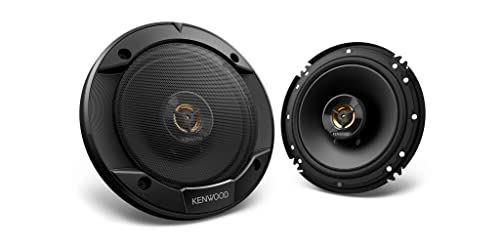
Kenwood KFC-1666R Road Series Car Speakers 6.5 In 2-Way

PIONEER F-Series TS-F6935R 6 In x 9 In 3-Way

CT Sounds BIO-6-5-COX 6.5 Inch Coaxial Car Speakers

Pioneer F-Series TS-F1035R 4 In 2-Way Coaxial Car Speakers

Crunch 6.5 Inch 3 Way Full Range Car Audio Speakers

CT Sounds BIO-4-COX 4 Inch Coaxial Car Speakers

Sound Storm Laboratories EX369 6.5 Inch Car Speakers
More Details On Our Top Picks
Kenwood keeps this pair straightforward, with a 6.5-inch coaxial layout, a cloth woofer, and a balanced dome tweeter. In a daily driver, that mix usually suits listeners who want clearer mids and less strain than tired factory cones.
The 4-ohm load matters because many stock stereos are built around that impedance, so the speaker can fit common OEM upgrade paths without fuss. Compared with the Pioneer F-Series 6 x 9 pair, this Kenwood is the cleaner match for standard 6.5-inch door openings and smaller cabins.
Strong Points
- 6.5-inch size fits many front door locations.
- Balanced dome tweeter helps keep treble defined.
- Cloth woofer usually handles daily wear well.
- 4-ohm impedance suits many factory head units.
- Good choice for a modest, tidy sound upgrade.
Things To Consider
- Not the right fit for larger 6 x 9 openings.
- The cloth cone wants a careful wipe, not heavy cleaning.
- Strong low end still depends on the rest of the system.
Feature Snapshot
Who It Suits Best
Commuters and weekend drivers replacing worn factory 6.5-inch speakers will get the most from this set.
Where Another Pick Suits Better
PIONEER F-Series TS-F6935R 6 In x 9 In 3-Way fits larger rear-deck openings and suits drivers who need more cabinet surface.
This Pioneer pair leans into the 6 x 9 format, which gives it a larger moving surface than the Kenwood 6.5-inch option. That usually helps in rear decks or doors where a factory speaker swap needs a little more scale without moving into a full component setup.
The 3-way layout splits work across multiple drivers, so the speaker can deliver a more layered presentation for everyday music and spoken content. The trade-off is simple, it only fits vehicles designed for this size, and OEM-power tuning means it makes the most sense in stock or lightly modified systems.
Upsides
- 6 x 9 format suits many rear-deck openings.
- Three-driver layout can keep sound more separated.
- Built for straightforward factory replacement work.
- High-efficiency design pairs well with OEM power levels.
Small Caveats
- Too large for 4-inch or most 6.5-inch mounts.
- The fit only makes sense where the opening already matches.
- More driver area can expose weak source material more clearly.
Core Details
Who Should Grab It
Drivers replacing rear-deck speakers in vehicles built for 6 x 9 openings will find the format especially practical.
A Better Fit Elsewhere
Kenwood KFC-1666R Road Series Car Speakers 6.5 In 2-Way fits better for standard 6.5-inch front doors and smaller mounting spaces.
CT Sounds keeps the BIO-6-5-COX focused on essentials, with a 6.5-inch coaxial format and 4-ohm impedance. For a daily car or work truck, that makes the pair easy to place in common OEM slots without chasing a lot of extra hardware.
The rated 50 watts RMS per speaker gives a clearer sense of continuous use than peak numbers alone, while the 100-watt max figure stays within a modest replacement lane. Compared with the Kenwood, this model reads as a simpler, more stripped-back option for systems that need a sensible upgrade rather than a polished feature set.
Best Bits
- 6.5-inch format works in many common door installs.
- 4-ohm impedance keeps system matching straightforward.
- RMS figure gives a practical power reference.
- Good fit for restrained, everyday audio upgrades.
Worth Noting
- Max power spec stays modest next to larger pairs here.
- More basic tuning may leave detail-seekers wanting extra sparkle.
- Best results depend on careful installation and solid wiring.
Technical Sheet
Built With In Mind
Budget-conscious commuters and light-duty truck owners who want a plain, useful 6.5-inch replacement will find the fit sensible.
Where A Sibling Pick Shines
Sound Storm Laboratories EX369 6.5 Inch Car Speakers suits shoppers who want a more basic 6.5-inch pair with a simpler spec sheet.
Small dash openings often force compromises, and that is where this 4-inch Pioneer pair has a clear job. The 2-way design keeps the layout simple, which helps in older compacts or factory dashboards that cannot take larger round speakers.
Compared with the CT Sounds 6.5-inch option, this one makes sense for vehicles where the opening is the constraint, not the wish list. The honest read is that small speakers like this usually trade away low-end scale, but they still give a tired dash system a cleaner, more coherent voice.
Highlights
- 4-inch size suits tight dash or small panel spaces.
- Two-way layout keeps the design simple.
- Useful for replacing tiny factory speakers.
- Compact frame helps in older vehicles with limited room.
Areas To Watch
- Low-end output stays limited by the small format.
- Not a match for the larger 6.5-inch and 6 x 9 picks here.
- Small speakers can sound lean in open cabins.
At A Glance
Whose Shelf It Belongs On
Owners of compact cars or older dashboards with true 4-inch openings will get the cleanest fit here.
Look Elsewhere When
Kenwood KFC-1666R Road Series Car Speakers 6.5 In 2-Way suits drivers who can step up to a fuller 6.5-inch door mount.
Crunch takes a broader approach than the single-pair picks above, because this set includes four speakers total and uses 1-inch tweeters, which are the small drivers that handle higher frequencies. That setup can be useful in a car or truck stereo refresh where the goal is to cover more corners of the cabin at once.
The spade terminal connectors should simplify wiring for basic installs, though the larger bundle also asks for a little more planning than a simple two-speaker swap. For shoppers chasing coverage over finesse, this set has a strong practical angle, especially in larger cabins.
What We Like
- Four-speaker bundle covers more of the cabin.
- 1-inch tweeters help shape the top end.
- Spade terminals make connection work easier.
- Good fit for trucks and larger interiors.
- Useful when a full set is needed at once.
Minor Gripes
- Bulkier package needs more installation planning.
- More parts mean more time spent on fit checks.
- The broad format may be overkill for small cabins.
Details At A Glance
Best Suited To
Truck owners and cabin-filling upgrades in vehicles with room for a four-speaker set will benefit most.
Swap It Out When
CT Sounds BIO-6-5-COX 6.5 Inch Coaxial Car Speakers fits better for a simpler two-speaker replacement with a tighter footprint.
CT Sounds gives compact vehicles a straightforward 4-inch coaxial option, and that matters in older dashboards or door cards with limited depth. The format is small, yet the rated 40 watts RMS per speaker keeps the spec sheet grounded for regular listening rather than inflated claims.
Compared with Pioneer’s 4-inch TS-F1035R, this CT Sounds pair reads more like a quiet, practical replacement than a flashy upgrade. That makes it a sensible match for drivers who just need the right size and a stable load, without turning the cabin into a project.
Reasons To Buy
- Compact 4-inch footprint fits tight spaces.
- 4-ohm impedance keeps matching simple.
- RMS and max ratings give a clear power picture.
- Good option for small, factory-style replacements.
Room For Improvement
- Small size limits bass scale.
- Not meant for bigger door openings.
- Needs careful setup to avoid sounding thin in open cabins.
Feature Rundown
Perfect Match For
Drivers replacing small factory speakers in older cars or compact dashboards will find the fit straightforward.
Reach For A Different Pick When
Sound Storm Laboratories EX369 6.5 Inch Car Speakers suits anyone who can step up to a roomier 6.5-inch opening.
Sound Storm Laboratories keeps the EX369 focused on a plain 6.5-inch replacement role, which makes it easy to place in many common door locations. The listed dimensions, 6.70 x 6.70 x 2 inches, also suggest a shallow-enough profile for many routine installs.
Compared with the Kenwood and CT Sounds 6.5-inch options, this one feels more stripped down, and that can be a virtue for a straightforward refresh. The trade-off is equally plain, fewer detail cues in the listing usually mean less to lean on when selecting it for a more ambitious audio build.
Best Bits
- Common 6.5-inch size suits many door openings.
- Shallow depth can help in tight installs.
- Simple pair for routine factory replacement work.
- Clear fit for no-frills stereo refreshes.
Points To Note
- Specification list is leaner than several rivals here.
- Not aimed at shoppers who want a feature-heavy setup.
- Basic construction means the rest of the system matters a lot.
Core Details
Who Will Love This
Drivers who want a simple 6.5-inch swap without chasing a long feature list will find this pair sensible.
Another Choice May Suit
PIONEER F-Series TS-F6935R 6 In x 9 In 3-Way fits better for larger rear-deck openings and a broader-format install.
How To Choose The Right Car Speakers On A Budget
Match The Size Before Anything Else
Speaker diameter comes first, because a 4-inch dash opening and a 6 x 9 rear deck are not interchangeable. A clean fit matters more than a louder spec sheet, especially in older cars where mounting depth can be tight.
6.5-inch coaxial speakers cover a wide middle ground for front doors and many rear doors. Larger formats can move more air, but they only help when the vehicle already has the right opening.
Pay Attention To Impedance And Power
Impedance is the electrical load the speaker presents, and 4 ohms is common in car audio. That usually pairs well with factory stereos, while still leaving room for many aftermarket head units.
RMS power is the continuous figure, while max power is the short burst number. The RMS spec tells more about everyday use, which matters far more than a big peak claim on a box.
Choose The Layout For The Cabin
Coaxial speakers place multiple drivers in one frame, so installation stays simpler than with separated component sets. That makes them a strong match for budget builds, daily commuters, and weekend DIY installs.
Two-way designs keep things simple, while three-way layouts spread work across more drivers. The latter can sound fuller in larger cabins, though the extra parts only make sense when the vehicle and source unit can support them well.
Think About Use Case, Not Hype
A compact hatchback, a work truck, and a family sedan each reward a different balance of size, power, and placement. The right choice depends on whether the goal is clean replacement, a little more volume, or better coverage in a bigger cabin.
That’s why a plain 6.5-inch pair can be smarter than a more elaborate set. The best value usually shows up where the speaker size, stereo power, and install space line up without compromise.
A Quick Reality Check
Mistakes Worth Dodging
Many budget upgrades stumble because the speaker size is chosen before the vehicle opening is measured. Another common miss is chasing peak wattage and ignoring RMS, which is the steadier number for everyday listening.
Coaxial speakers also need room to breathe. A small dash opening can make a powerful-looking model underperform simply because the enclosure and placement are wrong for it.
The Upgrade Payoff
Higher-tier models usually spend money on stronger motors, more refined cones, better tweeters, and tighter assembly tolerances. That can mean smoother treble, better separation, and less strain at higher volume.
The upgrade only earns its keep in systems that can expose the difference. For a stock head unit in a modest commuter, a well-matched midrange pair often makes more sense than paying extra for features that stay buried in normal use.
Frequently Asked Questions
Are coaxial car speakers easier to install?
Coaxial designs keep the drivers in one frame, so replacement work is usually simpler. That makes them a sensible choice for basic factory swaps.
What size works best for most budget car audio upgrades?
6.5-inch speakers cover a lot of common door openings and strike a practical middle ground. Larger 6 x 9 pairs suit vehicles that already have that format built in.
Does higher peak power mean better sound?
Peak power only shows short-term handling, not everyday output quality. RMS is the steadier figure for judging normal use.
Do 4-ohm speakers fit stock stereos?
Many factory stereos are designed around 4-ohm loads, so that rating is often a comfortable match. Fit still depends on the opening and depth, not just the electrical side.
Is a 3-way speaker always better than a 2-way model?
Not always, because the best choice depends on the cabin and the source unit. A well-matched 2-way pair can sound more natural in a small or mid-size car.
Closing Thoughts
Car Speakers On A Budget work best when the format matches the vehicle and the power rating matches the stereo, not when the box promises the most drama. Kenwood and CT Sounds suit straightforward 6.5-inch swaps, Pioneer’s 6 x 9 pair fits larger openings, and the 4-inch options are there for tight factory spaces. Crunch makes sense for broader coverage, while Sound Storm Laboratories keeps things plain and practical. The smartest choice is the one that fits cleanly and suits the cabin without extra fuss.