
Car Stereo Interfaces sit between a factory wiring setup and a new head unit, which makes them the quiet problem-solvers in many dash upgrades. They matter most in daily drivers where steering-wheel buttons, amplifier signals, and vehicle-specific wiring need to keep working after the swap. A good interface saves time, reduces guesswork, and keeps the install cleaner. The six picks below lean toward different vehicle families and control needs.
Quick Look at the Shortlist
PAC RP4.2-TY11 Radiopro4 Ty11

iDatalink Maestro SW Steering Wheel Control Adapter (ADS-MSW)

Scosche GM2K-WP Factory Stereo Replacement Interface Adapter

PAC RP4-CH11 Radio Replacement Interface

Scosche GM3K-WP Factory Stereo Replacement Interface Adapter

Scosche FD5K-WP Factory Stereo Replacement Interface Adapter Kit
More Details On Our Top Picks
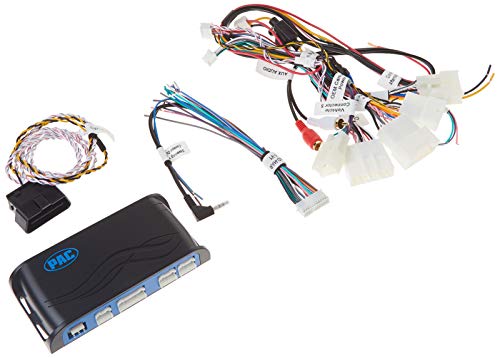
This PAC interface fits Toyota-focused installs that need the factory wiring translated cleanly for an aftermarket stereo. In a garage job or a weekend dash swap, that kind of vehicle-specific harness support matters more than flashy extras. The appeal is straightforward: fewer hand-made connections and a cleaner path from the old radio to the new one.
It sits closer to the plain-vanilla end of the category than the iDatalink option, which is more about steering-wheel control integration. The honest read is that this pick suits drivers who want a tidy factory-to-aftermarket transition without chasing a lot of add-on complexity.
Strong Points
- Tailored for Toyota-style radio replacement jobs.
- Reduces the need for piecing together loose wiring.
- Works well for clean, organized dash work.
- Fits the needs of routine head unit swaps.
Points To Note
- Vehicle fit still needs a careful match, especially on older trims.
- It is more focused on core wiring than on extra control features.
Feature Snapshot
Who It Suits Best
Drivers with Toyota vehicles and a straightforward stereo replacement plan get the most from this interface.
A Better Fit Elsewhere
Scosche GM3K-WP Factory Stereo Replacement Interface Adapter is the more relevant choice for GM owners who need broader year coverage and retained factory features.
Steering-wheel audio buttons are the point here, and that makes this iDatalink adapter a very specific tool rather than a broad wiring bundle. In a commuter car where track changes and volume control live on the wheel, that specificity pays off in day-to-day convenience. Compared with PAC RP4.2-TY11, this one is less about the raw harness swap and more about preserving familiar controls.
The source data leans on replacement-parts positioning, so the fit story matters a lot. That makes it a sensible match for shoppers who want the new stereo to feel integrated instead of tacked on, even though compatibility checking is the part that deserves the most attention.
Highlights
- Focuses on steering-wheel audio control retention.
- Helps keep daily driving habits intact after the upgrade.
- Useful in vehicles where button access matters more than touch-screen use.
- Cleaner ownership fit for drivers who rely on wheel controls.
Areas To Watch
- Compatibility review is essential before any install plan.
- Its value is tied to control retention, not broader audio hardware extras.
Core Details
Built With In Mind
Commuters and drivers who use steering-wheel controls every day will get the most value from this adapter.
Another Choice May Suit
PAC RP4-CH11 Radio Replacement Interface makes more sense for Chrysler-based installs where the interface itself needs to do more of the system work.
GM owners with vehicles from the 2000 to 2013 window get a focused fit here, and that narrower range can be useful rather than limiting. It aims at the practical parts of a dash upgrade, including steering-wheel control retention and OEM amplifier support, so the finished system keeps more of the factory behavior intact. Compared with the Toyota-specific PAC RP4.2-TY11, this Scosche model serves a wider GM slice but still stays vehicle-centered.
The fit guide language is worth respecting, because interfaces like this live or die by matching the right platform. For older trucks and sedans with amplified factory audio, that specificity is exactly what keeps a radio swap from turning messy.
Upsides
- Built for a clearly defined GM vehicle range.
- Supports steering-wheel control retention.
- Includes OEM amplifier compatibility for factory audio systems.
- Useful for preserving more of the original cabin behavior.
- Keeps the wiring side of an upgrade more orderly.
Softer Spots
- Vehicle matching deserves careful checking against the fit guide.
- Older installs may still need patience around dash trim and wiring layout.
Details At A Glance
Whose Shelf It Belongs On
Owners of compatible GM vehicles with factory amplification and steering-wheel controls are the clearest match.
Where A Sibling Pick Shines
Scosche GM3K-WP Factory Stereo Replacement Interface Adapter is the better step up for later GM models that fall inside its broader year range.
Chrysler owners looking for a plug-and-play style interface will find this PAC unit appealing, especially on a head unit install that needs steering-wheel control retention. The plug-and-play angle usually means less guesswork during the dash work, which is helpful in a garage with limited time and a clean finish in mind. Compared with the Scosche GM interfaces, this one is aimed at a different vehicle family and a more focused Chrysler path.
The product data also points to easy head unit installation, so the use case is simple: replace the stereo without making the cabin feel stripped apart. That kind of setup fits drivers who want a factory-like transition more than a highly customized audio build.
Reasons To Buy
- Designed for select Chrysler vehicles from a wide year span.
- Supports steering-wheel controls with an aftermarket stereo.
- Plug-and-play design can reduce wiring complexity.
- Useful for straightforward head unit replacement jobs.
- Fits owners who want a cleaner, factory-minded result.
Small Caveats
- Vehicle matching still needs confirmation against the right Chrysler coverage.
- Plug-and-play helps, but dash trim and antenna work can still take time.
Spec Overview
Right Fit For
Chrysler drivers planning a clean aftermarket radio swap with retained wheel controls are the strongest match.
Look Elsewhere When
iDatalink Maestro SW Steering Wheel Control Adapter suits the shopper who mainly wants direct button retention across an aftermarket stereo change.
This GM-focused Scosche interface reaches further into newer model years than the GM2K-WP, which makes it the more flexible pick for late-model owners. It keeps steering-wheel controls and the OEM amplifier in play, so the cabin feels less like a stripped retrofit and more like a planned upgrade. For a driver moving from a factory radio to an aftermarket screen, that continuity matters.
The broader coverage is the real draw, though the same fit-check discipline still applies. In most garage installs, the hardest part is not the interface itself, it is confirming the vehicle’s exact system before any panels come off.
Best Bits
- Longer GM vehicle coverage than the older GM-focused pick.
- Retains steering-wheel controls for familiar operation.
- Supports OEM amplifier integration.
- Well suited to newer GM dash upgrades.
- Gives a cleaner path for factory-to-aftermarket transitions.
Room For Improvement
- Compatibility still needs a careful fit-guide check.
- Wide year coverage can make trim-level matching feel a bit technical.
Feature Rundown
The Right Fit
Late-model GM owners with factory amplification and steering-wheel buttons should look here first.
Skip It When
PAC RP4.2-TY11 Radiopro4 Ty11 is the more sensible route for Toyota-based installs, where vehicle family matters more than broader GM coverage.
Ford, Lincoln, and Mercury owners get a dedicated kit here, and that vehicle-family focus usually makes planning easier. It keeps steering-wheel controls and the OEM amplifier in the loop, which helps a factory system feel properly carried over into the new stereo. Compared with the GM units above, this one is the parallel choice for a different domestic platform.
The kit language suggests a more complete install path, which tends to suit drivers who want one route through the upgrade rather than assembling several small pieces. The trade-off is the familiar one for fit-specific interfaces: the coverage is useful, but only for the right vehicle set.
What We Like
- Dedicated fit for select Ford-family vehicles.
- Retains steering-wheel controls.
- Supports OEM amplifier integration.
- Kit format suits organized dash planning.
- Helps preserve familiar factory behavior after the swap.
Honest Caveats
- Fit confirmation matters, especially across mixed Ford, Lincoln, and Mercury trims.
- Kit-style installs can still involve careful wiring management.
Technical Sheet
Made For
Owners of compatible Ford, Lincoln, and Mercury vehicles who want a clean, factory-aware stereo upgrade are the best match.
Reach For A Different Pick When
Scosche GM3K-WP Factory Stereo Replacement Interface Adapter fits better for GM platforms, especially when the vehicle year range lines up more closely.
How To Choose The Right Car Stereo Interfaces
Start With Vehicle Match, Not Features
Vehicle fit comes first in this category, because a well-built interface still fails the job when it misses the exact platform. Model year, trim, and factory audio layout all matter, especially in GM and Ford families where coverage can change across a few years. The safest path is to treat compatibility as the main filter and control retention as the second one.
That order matters in a real driveway install, where disassembly time is easy to underestimate. A Toyota-specific PAC unit or a Chrysler-specific PAC unit can be a much smoother path than a broader-looking choice that misses the exact dash architecture.
Decide How Much Factory Behavior Should Stay
Some interfaces mainly handle wiring translation, while others preserve steering-wheel controls and OEM amplifiers. That difference shapes the whole ownership experience, because daily button use and factory sound tuning can feel lost without the right adapter. Drivers who rely on wheel controls on every commute tend to notice that gap quickly.
The iDatalink Maestro SW stays focused on control retention, while the Scosche GM3K-WP and FD5K-WP keep both wheel buttons and factory amplification in the picture. That mix of functions is worth paying attention to in cars with premium audio or heavily used dash controls.
Match The Interface To The Install Style
Plug-and-play wording usually points to a simpler install path, though it never removes the need for careful trim work. A kit-style interface often suits more organized projects, especially in a garage where the install happens in stages. The trade-off is that broader kit coverage can bring more steps and more vehicle-specific checking.
For weekend installers, a cleaner harness path can be more valuable than extra bells and whistles. For someone upgrading a daily driver, a focused interface that keeps the factory experience intact often feels less disruptive after the job is done.
Think About Long-Term Use, Not Just Day One
Interfaces live behind the dash, so durability and simple wiring layout matter more than flashy packaging. Clean connector routing makes later troubleshooting easier, and that becomes useful if the head unit is swapped again down the road. A compact, vehicle-matched interface usually ages better in ownership terms than a broad, loosely fit bundle.
That is why the GM and Ford picks in this roundup lean heavily on platform-specific retention features. They are built for the kind of ownership where the stereo needs to feel settled, not temporary.
Things Worth Knowing First
Common Shopping Slip Ups
Fitment errors cause most frustration in this category, especially when a trim level differs from the model-year headline. Another common miss is overlooking whether steering-wheel controls or the factory amplifier need support. A quick vehicle check usually prevents both problems.
Connector clutter is another avoidable issue, since loosely planned installs make later troubleshooting harder. A clean harness plan keeps the dash easier to service.
The Upgrade Payoff
Higher-tier interfaces tend to cost more because they do more than pass wires through. Better coverage for steering-wheel controls, factory amplifiers, and broader model-year support usually takes more engineering and more vehicle mapping. That extra work shows up in easier installs and fewer compromises.
The upgrade makes sense in cars with premium audio, busy steering-wheel controls, or a dash layout that needs a tighter factory feel. For a plain stereo swap in a simpler vehicle, a more basic interface can still be enough.
Frequently Asked Questions
What does a car stereo interface actually do?
It bridges the factory wiring and the aftermarket radio. In many vehicles, it also helps preserve steering-wheel buttons and amplifier behavior.
Why does compatibility matter so much?
These parts are built around exact vehicle families and year ranges. A mismatch can turn a simple install into a slow troubleshooting job.
Do all of these keep steering-wheel controls?
No, some focus on wiring while others focus on control retention. The product page details determine that difference.
Is a kit better than a single adapter?
A kit can suit a fuller dash upgrade plan. A single adapter can be enough when the job only needs one specific connection path.
Which style works best for daily driving?
Interfaces that retain wheel controls and factory amplification usually feel most natural in daily use. That combination keeps common controls where they belong.
Closing Thoughts
Car Stereo Interfaces do their best work quietly, by keeping the factory side of a vehicle from getting lost during a radio upgrade. The right match depends on the vehicle family, the need for steering-wheel control retention, and whether the factory amplifier stays in play. For Toyota, Chrysler, GM, and Ford-family installs, the six picks above cover the main paths without blurring the differences between them. A careful fit check now saves a lot of time later.