

Factory audio often leaves a car sounding flatter than the cabin deserves. This roundup focuses on component speakers that fit daily commuting, long highway stretches, and weekend installs without leaning on hype or vague promises.
Each pick below is useful for a different kind of setup, from straightforward two-way sets to more ambitious three-way designs. The goal is simple, match the speaker layout to the vehicle, the installer’s comfort level, and the kind of sound upgrade that actually matters in a real cabin.
Quick Look At The Shortlist
Rockford Fosgate Prime R165-S 6.5” 2-Way Component Speaker System

MB Quart FSB216 Formula Component Speaker System

Rockford Fosgate P165-SI Punch 6.5″ 2-Way Component Speaker System
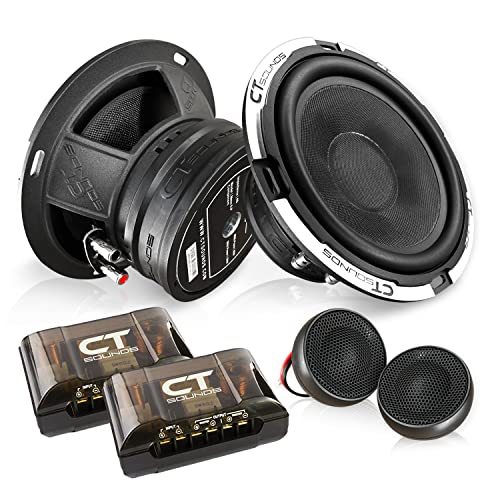
CT Sounds Meso 6.5” 320 Watt 2-Way Premium Component Car Speaker Set
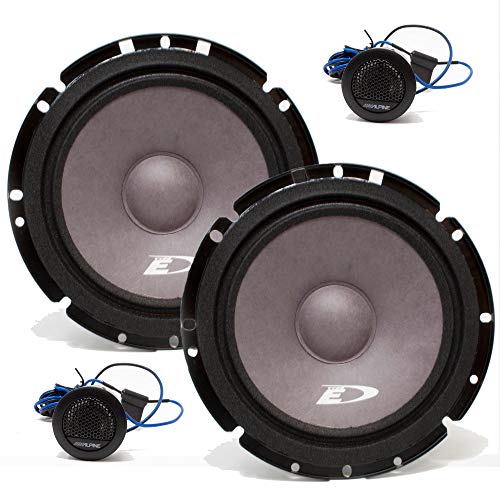
Alpine SXE-1751S Component System 280W Max, 45W RMS 6 1/2″ 2-Way Component Speakers
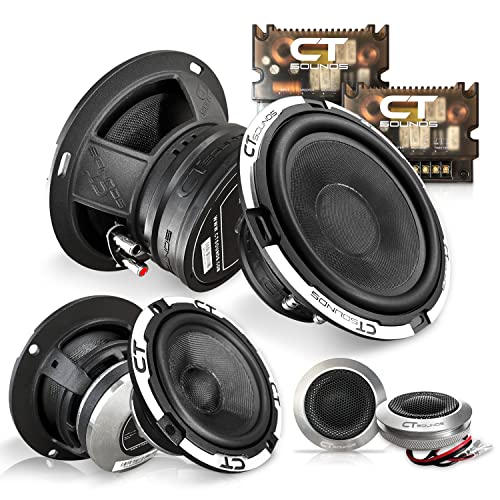
CT Sounds Meso 6.5” 500 Watt 3-Way Premium Component Car Speaker Set

JBL GX608C 210 Watt 6-1/2″ 2-Way GX Series Complete Component System
More Details On Our Top Picks
Rockford Fosgate keeps this set straightforward, with 6.5-inch woofers, grilles, and tweeters paired to integrated crossovers. A crossover divides frequencies so low notes go to the woofer and higher notes to the tweeter, which usually helps the front stage sound more organized in a daily driver.
The honest read is that this suits a driver who wants a cleaner front-end upgrade without moving into a more complex build. Compared with the MB Quart FSB216, it looks simpler on paper, and that simplicity often makes installation and ownership easier for a stock system refresh.
Strong Points
- Integrated crossovers reduce extra box clutter.
- Grilles add practical protection in busy cabins.
- 6.5-inch format fits many front-door locations.
- Handles daily listening without feeling overcomplicated.
Points To Note
- A two-way layout leaves less room for fine-tuned staging than a more complex setup.
- Owners with deep door panels may need to check clearance around the grille and woofer depth.
Feature Snapshot
Who It Suits Best
Drivers replacing worn factory speakers in a commuter car or family sedan will get the most from this set. Its simple structure makes sense for straightforward installs and everyday listening.
Where A Sibling Pick Shines
MB Quart FSB216 Formula Component Speaker System suits an installer who wants an external crossover and a slightly more hands-on tuning path.
MB Quart leans into setup flexibility with an external crossover and 4-ohm impedance. Impedance is the electrical load the speaker presents to the amplifier, and a 4-ohm design is a common fit for many car audio systems that already have a workable amp or head unit plan.
That makes this a stronger match for a more deliberate build than the Rockford Prime above. In a weekend install or a system with planned tuning, the separate crossover gives more room to place components cleanly and keep the front stage organized.
What We Like
- External crossover allows cleaner component placement.
- 4-ohm load fits many common setups.
- 6.5-inch format keeps installation familiar.
- Black finish stays visually restrained inside the cabin.
- Good fit for a more exacting front stage.
Minor Gripes
- Separate crossover parts add a little more installation planning.
- System builders with very limited door space may prefer a simpler package.
Core Details
Built With In Mind
Audio hobbyists who want room to route and position crossover parts cleanly will appreciate this set. It also suits vehicles where the door cavity and trim allow a little extra planning.
A Better Fit Elsewhere
Rockford Fosgate Prime R165-S 6.5” 2-Way Component Speaker System suits a simpler factory replacement for drivers who want less wiring complexity.
This Punch-series set raises the stakes with 1-inch tweeters and a concealed crossover arrangement. That kind of layout usually appeals to drivers who want a cleaner dashboard or door-panel look while keeping the front stage separate and focused.
Compared with the Prime R165-S, this model feels like the more serious sibling for systems that want a little more refinement in the signal split. The hidden crossover approach can make the install look tidier, though the trade-off is less obvious access during troubleshooting.
Highlights
- 1-inch tweeters help keep high frequencies distinct.
- Concealed crossover design keeps the install cleaner.
- Front-stage focus suits drivers who care about vocal placement.
- Classic Rockford package is easy to understand at a glance.
Room For Improvement
- Concealed crossover placement can be less convenient to reach later.
- The more focused layout may ask for careful tuning in bright-sounding cabins.
At A Glance
Right Fit For
Drivers who want a neater front-stage layout in a daily commuter or weekend project car will find this especially appealing. It suits systems where appearance and sound separation matter together.
Look Elsewhere When
CT Sounds Meso 6.5” 500 Watt 3-Way Premium Component Car Speaker Set is the stronger match for a build that wants more driver layers and a larger power ceiling.
CT Sounds goes after output headroom more directly than the lower-powered Alpine pick that follows. The 320-watt figure signals a set built for louder cabin systems, especially in vehicles where the front stage has to keep up with road noise and a stronger amplifier.
That higher ceiling matters most in larger interiors or for drivers who play music at sustained volume. The trade-off is that a stronger speaker set often asks for better planning around amplification and gain settings, so this fits a more committed install.
Upsides
- Higher power handling suits louder listening habits.
- 2-way layout keeps the system familiar to install.
- Premium positioning fits more serious audio upgrades.
- Good option for cars that need more cabin fill.
Small Caveats
- Strong output potential works best with matching amplification.
- Installers may want to double-check door depth and mounting space.
- Louder setups can expose poor source material more quickly.
Details At A Glance
The Right Fit
Drivers building a louder daily setup or a weekend sound system will get the most from this set. It suits compact cars and larger cabins where more output helps the music stay present.
Where Another Pick Suits Better
Alpine SXE-1751S Component System 280W Max, 45W RMS 6 1/2″ 2-Way Component Speakers makes more sense for a milder upgrade in a stock system.
Alpine keeps the numbers readable here, with 280 watts max and 45 watts RMS. RMS, or root mean square, is the continuous power figure, and that matters because it gives a more grounded view of what the system is meant to handle day to day.
Compared with the CT Sounds Meso above, this Alpine set looks friendlier for a more moderate setup or a first upgrade from factory speakers. The plain 2-way structure keeps the install path familiar, which helps in vehicles where the goal is a cleaner soundstage without a full audio rebuild.
Best Bits
- Clear power figures make system matching easier.
- 2-way design keeps the package simple.
- 6 1/2-inch size suits many common door mounts.
- Good step up from tired factory speakers.
Softer Spots
- Lower RMS output than the heavier CT Sounds option.
- May feel modest in large cabins with stronger road noise.
Quick Facts
Who Will Love This
Commuters and casual music listeners who want a calm, sensible upgrade will feel at home with this set. It suits vehicles where simplicity matters more than chasing the highest output.
Swap It Out When
JBL GX608C 210 Watt 6-1/2″ 2-Way GX Series Complete Component System is the better fit for a shopper who prefers a more brand-forward balanced setup.
CT Sounds moves from two-way to three-way here, which means the audio duties are divided among three separate driver ranges instead of two. In practical terms, that often suits enthusiasts who want more separation across vocals, midrange, and higher frequencies, especially in a system built around stronger amplification.
It sits above the 320-watt Meso set on ambition, and the payoff is a more layered front stage for serious car audio builds. The trade-off is predictably more install complexity, so this feels better for seasoned installers or a shop-managed project than for a quick replacement job.
Reasons To Buy
- 3-way layout adds another layer of sound division.
- 500-watt rating points to serious output potential.
- Well suited to dedicated audio projects.
- Good fit for drivers chasing more front-stage detail.
- Premium build target makes sense for upgraded systems.
Areas To Watch
- Three-way setups usually demand more installation planning.
- Best results depend on careful amp and crossover matching.
- Overkill in a basic factory-refresh scenario.
Spec Overview
Perfect Match For
Experienced installers and system builders who want a more layered front stage will get the most from this set. It suits vehicles already planned around amplification and careful tuning.
Another Choice May Suit
Alpine SXE-1751S Component System 280W Max, 45W RMS 6 1/2″ 2-Way Component Speakers is the calmer option for a lighter upgrade in an everyday car.
JBL’s GX608C lands in the middle ground, with a 210-watt rating and a familiar 6 1/2-inch two-way format. That balance makes sense for vehicles that need a dependable front-stage refresh without turning the install into a major project.
Compared with the more aggressive CT Sounds options, this JBL feels easier to place in a mainstream daily driver. The brand’s GX series name suggests a broad-purpose approach, and that usually works well for shoppers who want a steady upgrade rather than a dramatic audio rebuild.
Positives
- Balanced power rating suits everyday use.
- Two-way setup keeps installation familiar.
- 6 1/2-inch size fits many common doors.
- Good middle-ground choice for casual listening.
Worth Noting
- May feel modest beside higher-output CT Sounds picks.
- Branding says more about range than about a specialized use case.
Feature Rundown
Whose Shelf It Belongs On
Daily drivers, family cars, and casual system upgrades are the natural fit here. It suits a clean, predictable install path more than a highly specialized build.
Skip It When
CT Sounds Meso 6.5” 500 Watt 3-Way Premium Component Car Speaker Set makes more sense for a build that needs bigger output and more separation between driver ranges.
How To Choose The Right Component Speakers For Car
Match The Layout To The Install
Two-way component speakers divide the sound between a woofer and a tweeter, which is the simpler and more common path. Three-way systems add another driver section, so the sound can be split more finely, but the install usually takes more care.
Door space, factory mounting depth, and crossover placement matter as much as the brand name. A tidy install in a compact sedan often benefits from a simpler two-way set, while a larger car with room for a cleaner layout can handle a more complex package.
Read Power Numbers The Right Way
Max power numbers can look impressive, but RMS tells the more useful daily story. RMS is the continuous power rating, and it helps frame how the speaker pairs with an amplifier or head unit over time.
For most commutes, moderate RMS ratings are enough. Higher figures matter more in louder cabins, trucks, or systems where road noise and stronger amplification are part of the plan.
Use Impedance And Crossover Style As Filters
Impedance, usually listed in ohms, affects how hard the speaker load is for the amplifier. A 4-ohm component set often fits common car-audio setups, but the full system still needs to be matched as a unit.
External crossovers offer more placement flexibility, while integrated or concealed designs can keep the install neater. That choice tends to separate quick replacement jobs from more deliberate audio projects.
What To Weigh Before You Commit
Traps First Timers Fall Into
Some setups are chosen for output numbers alone, then end up mismatched to the amplifier. Door clearance gets overlooked too, and a tight fit around the grille or magnet can create hassle during installation.
A simpler speaker can be the smarter answer for a stock radio or a first upgrade. Cleaner results usually come from matching the whole system, not chasing the biggest wattage figure on the page.
Where The Extra Money Goes
Higher-tier component speakers usually spend more on driver refinement, crossover design, and more deliberate tuning. That often translates into cleaner separation, better control at higher volumes, and a front stage that feels less crowded.
The upgrade makes the most sense in vehicles with better amplification, stronger source gear, or a plan for a long-term audio build. For a basic commute car, a modest two-way set often gives enough improvement without unnecessary complexity.
Frequently Asked Questions
What makes component speakers different from coaxial speakers?
Component speakers separate the woofer and tweeter into individual parts, with a crossover directing the sound. Coaxial speakers place those elements together in one frame.
Are 6.5-inch component speakers a common fit?
Yes, 6.5-inch and 6 1/2-inch sizes are widely used in car doors. Mounting depth and adapter rings still need a check before installation.
Does a 3-way setup always sound better?
Not always, because the rest of the system matters just as much. A well-matched two-way set can sound more sensible in a daily driver than a poorly tuned three-way system.
What does 4-ohm impedance mean?
It describes the electrical load the speaker presents to the amplifier. Many common car-audio setups are built around 4-ohm speakers, though matching still matters.
Which pick here suits a simple upgrade best?
Rockford Fosgate Prime R165-S and Alpine SXE-1751S both make sense for a straightforward refresh. JBL GX608C also stays in that easygoing lane for routine driving.