

Component car speakers suit factory upgrades, worn-out door speakers, and builds that need cleaner separation between highs and mids. A separate tweeter and woofer usually deliver better placement flexibility than a single full-range setup, which matters in cars with awkward door geometry or older head units. The right set also makes long commutes less fatiguing, especially when treble gets harsh or bass turns loose.
The Shortlist At A Glance
Rockford Fosgate Prime R165-S 6.5” 2-Way Component Speaker System

MB Quart FSB216 Formula Component Speaker System (Black, Pair)

PIONEER A-Series Plus TS-A1681F 6.5” 4-Way Coaxial Car Speakers

Rockford Fosgate P165-SI Punch 6.5” 2-Way Component Speaker System

ORION Cobalt CB525C 5.25” 2-Way Component Speaker System
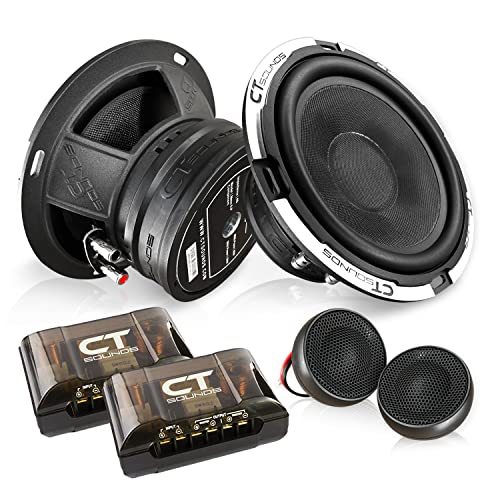
CT Sounds Meso 6.5” 320 Watt 2-Way Premium Component Car Speaker Set
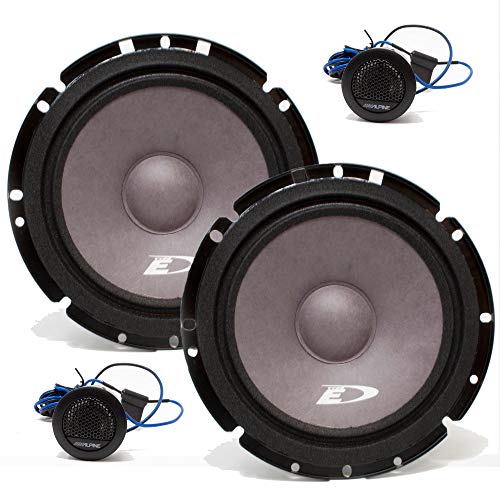
Alpine SXE-1751S Component System 280W Max, 45W RMS 6 1/2” 2-Way Component Speakers
More Details On Our Top Picks
The Prime R165-S sits in the familiar 6.5-inch class, which usually suits front doors in compact sedans and many trucks. Separate tweeters and woofers give installers more placement freedom, and the included grilles help protect the main drivers in busy daily use.
The honest read is that this set looks aimed at straightforward factory replacement rather than showpiece tuning. That makes it a sensible match for commuters who want cleaner separation without moving into a more complicated build, and the Rockford name still carries weight in car audio circles.
What We Like
- Two-way layout lets highs and mids come from separate locations, which can improve front-stage placement in a car cabin.
- Included grilles help shield the woofers from scuffs, cargo, and the occasional careless shoe near the door.
- 6.5-inch sizing fits many common door openings, so it works as a practical upgrade for daily drivers.
- The paired tweeters and woofers make the system easier to plan around a clean front-seat listening position.
Things To Consider
- Separate parts mean a more involved install than a single-piece coaxial speaker.
- The setup suits a tidy front-stage build more than a no-fuss weekend swap.
Feature Snapshot
Who It Suits Best
Daily commuters and first-time upgraders looking for a familiar 6.5-inch component layout will get the most from this set.
Where A Sibling Pick Shines
Rockford Fosgate P165-SI Punch 6.5” 2-Way Component Speaker System suits shoppers who want a more assertive Rockford step-up with a concealed crossover layout.
MB Quart gives this Formula set an external crossover, and that matters more than the spec sheet wording suggests. A crossover splits frequencies between drivers, which helps each part of the system handle a narrower job, and that can matter in a car where the front stage needs careful tuning.
Compared with the simpler Rockford Prime set, this one leans more toward system tuning and less toward casual plug-and-play thinking. It suits hobbyists who like to refine placement and balance, though the extra flexibility also means a little more install planning.
Strong Points
- External crossover design gives more control over how the drivers share sound duties.
- The 4-ohm load is common in car audio, which helps keep pairing straightforward with many head units and amps.
- 6.5-inch size fits the usual front-door upgrade path in plenty of vehicles.
- Black finish keeps the look understated inside a cabin.
- Owners focused on tuning gain more room to shape the front stage than they would with a basic full-range swap.
Points To Note
- The external crossover adds another part to mount and secure.
- That extra hardware makes the install less casual than a simple speaker exchange.
- Cabin fit can vary more once separate crossover placement enters the picture.
Core Details
Built With In Mind
Installers and hobbyists who want more control over speaker placement and crossover layout will find the MB Quart set well matched to that goal.
Another Choice May Suit
Rockford Fosgate Prime R165-S 6.5” 2-Way Component Speaker System is the cleaner fit for drivers who want a simpler front-door swap without extra crossover planning.
Pioneer takes a different route here, because this is a 4-way coaxial design rather than a component system. Coaxial speakers place the drivers in one assembly, so the installation usually feels simpler, and the included adaptors make the case even stronger for factory-style swaps.
Compared with the Rockford and MB Quart component sets, this Pioneer leans toward convenience and broad fitment rather than separate-driver tuning. That makes it a smart match for drivers who want better sound without turning the door panel into a weekend project.
Upsides
- 4-way layout handles more of the audible range inside a single speaker assembly.
- Included installation adaptors help bridge fitment gaps in common factory locations.
- Balanced sound tuning suits daily listening without pushing a sharply voiced presentation.
- Smooth treble and enhanced bass are aimed at a fuller cabin sound, which helps on commutes with road noise.
- The 6.5-inch class keeps it in the familiar upgrade zone for many vehicles.
Room For Improvement
- Coaxial construction offers less placement flexibility than a true component setup.
- Drivers seeking fine-tuned front-stage staging may prefer the earlier Rockford or MB Quart options.
Details At A Glance
Right Fit For
Drivers who want a straightforward factory upgrade with fewer moving parts and broad compatibility will find this Pioneer set very practical.
Swap It Out When
MB Quart FSB216 Formula Component Speaker System (Black, Pair) suits hobbyists who want separate-driver placement and more crossover control.
The P165-SI sits a step higher in Rockford’s component lineup, and the concealed crossover design is the first clue. A concealed crossover hides the dividing network inside the housing or harness path, which can keep the install cleaner than a loose external box, especially in vehicles with limited trim space.
Compared with the Prime R165-S, this version looks better suited to more deliberate builds that deserve a bit more attention during installation. The 1-inch tweeters and midrange grilles make sense for front-stage clarity, and that appeals to drivers who want a more energetic cabin without leaning on flashy extras.
Highlights
- Concealed crossover layout keeps the wiring path less cluttered than an external box.
- 1-inch tweeters help preserve treble detail for vocals and instruments in the front seat.
- Included grilles support day-to-day protection in door-mounted positions.
- The Punch series name points toward a more assertive character than the Prime set earlier in the list.
- Component layout gives installers room to shape the soundstage around the cabin.
Minor Gripes
- The cleaner crossover layout still calls for thoughtful routing behind panels.
- That extra attention makes it less casual than a basic coaxial swap.
Feature Rundown
Best Suited To
Drivers planning a more serious front-stage upgrade and installers comfortable with careful routing will get the most from this Rockford set.
A Better Fit Elsewhere
PIONEER A-Series Plus TS-A1681F 6.5” 4-Way Coaxial Car Speakers suits a quicker swap for shoppers who value simpler installation over component-level control.
ORION’s 5.25-inch size matters more than it first appears. Smaller component sets often suit tighter door pockets or vehicles where 6.5-inch openings simply are not the cleanest fit, and the silk dome tweeters should appeal to listeners who prefer smoother high frequencies over a sharper edge.
Compared with the larger Rockford, MB Quart, and Pioneer entries above, this one is the size-conscious pick in the group. The external passive crossovers also make the signal split explicit, which helps experienced installers keep the front stage organized, though it adds a little more planning.
Reasons To Buy
- 5.25-inch format works well in tighter door or dash placements.
- Silk dome tweeters usually suit listeners who prefer a softer top end.
- External passive crossovers give clear control over driver routing.
- The pair layout supports a matched front-channel upgrade.
Small Caveats
- Smaller cones usually move less air than the 6.5-inch models in this list.
- External crossovers add mounting and wiring steps.
- The compact format may suit front doors or rear locations more naturally than larger open spaces.
Quick Facts
Whose Shelf It Belongs On
Owners of compact vehicles or older cabins with limited mounting room will find this ORION set especially practical.
Look Elsewhere When
CT Sounds Meso 6.5” 320 Watt 2-Way Premium Component Car Speaker Set suits a bigger door opening and a stronger output target.
CT Sounds positions the Meso set as a more serious 6.5-inch component option, and the 320-watt figure hints at more headroom than the smaller, softer-sounding picks in this roundup. That kind of output ceiling matters in louder cabins, especially for drivers who keep the volume up on highways or prefer a stronger front stage.
The trade-off is predictably more attention to the rest of the system, because higher-output speakers tend to make weak source gear stand out sooner. For that reason, this set makes the most sense in audio-focused builds rather than casual replacements.
Best Bits
- 320-watt rating suggests room for a more ambitious system setup.
- 6.5-inch format stays compatible with many common front-door locations.
- Component design supports separate placement of highs and mids.
- Well suited to owners who want more headroom than an entry-level swap usually offers.
Worth Noting
- Higher-output speakers are most useful with supporting gear that can keep up.
- The system makes less sense for a basic replacement in a quiet commuter car.
- Install planning matters more once the goal shifts toward stronger playback.
Spec Overview
Who Should Grab It
Audio enthusiasts building around stronger amplification and a more assertive front stage will get the most value from the Meso set.
Skip It When
Alpine SXE-1751S Component System 280W Max, 45W RMS 6 1/2” 2-Way Component Speakers fits better for a more measured, everyday upgrade path.
Alpine keeps this one grounded with both max and RMS power figures, and the RMS rating is the steadier number for understanding routine use. RMS, or root mean square, reflects continuous handling more realistically than a headline peak figure, so that detail helps this set feel easier to place in an everyday system.
Against the louder CT Sounds and the more tuning-heavy MB Quart, this Alpine reads as the sensible middle road. That makes sense for drivers who want a straightforward 6.5-inch component layout without pushing into a more aggressive or more complicated install.
Best Bits
- RMS and max figures give a clearer power picture than peak-only listings.
- 6.5-inch component format fits many standard door upgrades.
- Moderate output positioning suits balanced daily listening.
- Alpine’s long-standing car audio presence will feel familiar to many installers.
Honest Caveats
- The modest RMS figure points to a more restrained setup than the higher-output options above.
- Shoppers chasing a louder front stage may prefer the CT Sounds model.
Core Details
The Right Fit
Drivers who want a measured, dependable component upgrade for everyday listening will find this Alpine set easy to live with.
Reach For A Different Pick When
CT Sounds Meso 6.5” 320 Watt 2-Way Premium Component Car Speaker Set fits a more power-focused build with stronger output ambitions.
How To Choose The Right Component Car Speakers
Match The Speaker Type To The Install
Component sets split the tweeter and woofer, which gives more control over where highs and mids sit in the cabin. That helps in cars with awkward factory placement, but it also means more wiring and more parts to mount. Coaxial models are simpler, and Pioneer’s TS-A1681F shows why that matters for a quick factory-style upgrade.
Door size matters just as much as driver type. A 5.25-inch set like the ORION Cobalt CB525C can fit places where a 6.5-inch system feels cramped, while the Rockford and Alpine 6.5-inch choices suit the common front-door path.
Read Power Figures With Context
Power numbers are useful, but they do different jobs. Max power points to a ceiling, while RMS, or root mean square, describes steadier everyday handling, which is why Alpine’s 45W RMS matters more than the larger peak figure. Higher-output options tend to suit louder cabins or systems with stronger amplification.
A modest rating does not mean weak sound, it often means the speaker is aimed at a more restrained system. That makes the Alpine easier to place in a normal commuter build, while CT Sounds makes more sense for a louder setup with supporting gear.
Look At Crossover Layout And Tuning Goals
Crossovers divide frequencies so each driver handles a narrower job, and that affects both clarity and install complexity. External crossovers, like the MB Quart and ORION sets, give clear placement control, while concealed designs, like the Rockford P165-SI, keep the cabin tidier.
Smooth treble, enhanced bass, and balanced sound are not the same target. Pioneer leans toward broad, easy listening, while MB Quart and Rockford P165-SI better suit shoppers who want a more deliberate front stage.
Plan For Real-World Ownership
Cleaning grilles, securing crossovers, and routing wires cleanly matter after installation is done. Systems with more separate parts usually take longer to fit, but they can also offer a more controlled result in a busy interior.
Daily drivers benefit from durability details that protect the drivers from foot traffic, cargo, and repeated door use. That is where Rockford’s grilles and Alpine’s straightforward 6.5-inch format feel especially practical.
A Quick Reality Check Before You Choose
Common Shopping Slip Ups
Many shoppers focus on power figures alone and miss size compatibility. A 5.25-inch speaker can solve a fit issue that a bigger 6.5-inch set cannot, which is why the ORION entry matters in the lineup.
Another common miss is underestimating install complexity. Component systems usually need more time than coaxials, so MB Quart and Rockford P165-SI suit more committed installs than a casual afternoon swap.
The Upgrade Payoff
Higher-tier models usually cost more because of better crossover hardware, more deliberate driver layout, and more refined tuning targets. That extra spend makes sense for cabins where soundstage and separation matter more than plain replacement.
For a simple commute car, Pioneer or Alpine often gives enough improvement with less hassle. For a stronger front-stage build, MB Quart, Rockford P165-SI, or CT Sounds justify the added effort.
Frequently Asked Questions
What Makes Component Car Speakers Different?
Component speakers separate the tweeter from the woofer, which gives more placement control inside the cabin. That layout usually suits front-stage upgrades more than a simple drop-in replacement.
Do 6.5-Inch Sets Fit Most Cars?
Many front doors are built around 6.5-inch openings, but fit still depends on mounting depth and adapter needs. Pioneer’s included adaptors show why factory openings can vary.
Is An External Crossover A Problem?
It adds another part to mount, so the install takes more planning. In exchange, it gives clear control over how the drivers share the signal.
Should RMS Matter More Than Max Power?
RMS is the steadier number for routine use, so it gives a more useful view of everyday output. Alpine’s listing shows why that figure deserves attention alongside the higher max number.
Which Pick Works Best For A Simpler Upgrade?
PIONEER A-Series Plus TS-A1681F is the easiest fit for a broad, factory-style swap. Rockford Fosgate Prime R165-S is the cleaner component choice for a more traditional front-door setup.