

Crossovers shape how tweeters, midrange drivers, and subwoofers share the signal, which matters most in systems that sound thin up top or muddy through the midband. The six picks below cover passive two-way sets, a three-way home-audio option, an active processor, and a bass blocker, so the list fits more than one kind of install. That mix helps with factory upgrades, custom doors, and systems that need cleaner separation without guesswork.
The Shortlist At A Glance

Audiopipe CRX-203 300 Watts 2 Way Crossover 2 Pack
DS18 PRO-CFX 2-Way Car Audio Passive Crossover 300 Watts 2 Pack

HiQltyla PUV-W3 3 Way Speaker Crossover 200W 2 Pack
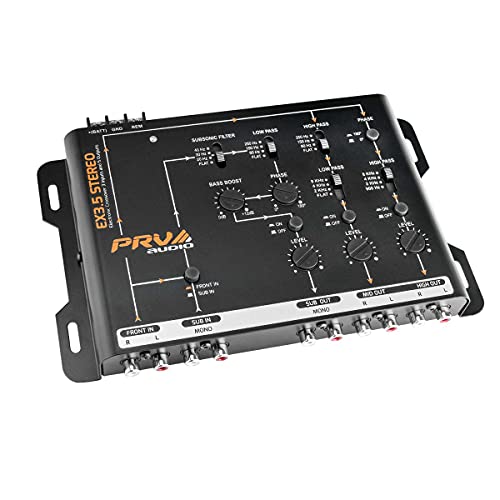
PRV AUDIO EX3.5 3 Way or 2 Way Electronic Crossover Car Sound Processor

RonDexy RDBB-150 Pair of Bass Blocker Passive Crossover 0-150Hz 4 Ohms
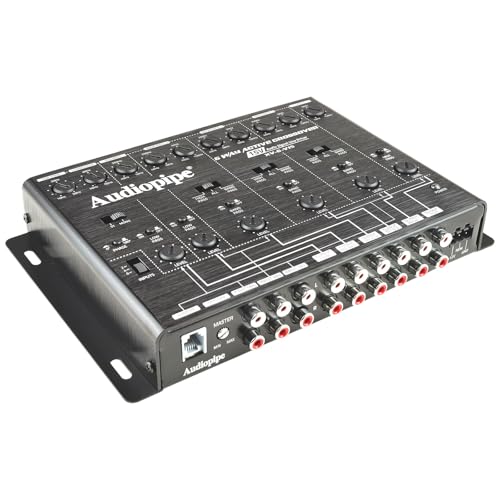
Audiopipe XV-6-V15 6-Way Active Crossover Remote Bass Knob
More Details On Our Top Picks
The CRX-203 keeps things straightforward for car audio installs that need a clean split between tweeter and midrange duties. Its passive design suits simple door upgrades, and the two-pack format helps when both sides of a stereo setup need matching parts.
The honest read is that this style fits compact, no-frills builds better than elaborate systems. That also makes it an easy step up from raw full-range wiring, especially for daily drivers where tidy signal routing matters more than a long feature list.
Strong Points
- Passive two-way layout keeps installation logic simple.
- Two units support a matched left-right setup.
- Works well for basic tweeter and midrange separation.
- Fits low-complexity upgrades where space matters.
Things To Consider
- Passive crossover behavior depends on the rest of the system, so tuning still matters.
- No advanced adjustment tools are listed.
- Best suited to straightforward installs rather than highly tuned systems.
Feature Snapshot
Who It Suits Best
Entry-level car audio installers and weekend system upgraders get the most from this format, especially in doors or dash locations that need a basic passive split.
A Better Fit Elsewhere
PRV AUDIO EX3.5 3 Way or 2 Way Electronic Crossover Car Sound Processor suits advanced custom installs better, since active controls give more room for system tuning.
DS18’s PRO-CFX follows the same passive path as the Audiopipe CRX-203, but it’s aimed a bit more squarely at tweeters and mid-range drivers. That makes it a sensible match for systems that need a cleaner split without moving into an active processor.
For daily commuting or a weekend garage install, the two-pack format is useful because both sides of the car can be handled together. The trade-off is the usual passive one, meaning the rest of the speaker setup still has a big say in final sound balance.
What We Like
- Built for tweeter and mid-range pairing.
- Passive design keeps wiring and setup simpler than active gear.
- Two units support a balanced stereo install.
- 300-watt handling gives it room for common upgrade paths.
Softer Spots
- Passive crossovers offer less control than electronic models.
- Install success still depends on matching the rest of the system.
- Less suitable for highly detailed tuning work.
Technical Sheet
Best Suited To
Installers building a straightforward two-way front stage get the cleanest use out of this model, especially in systems centered on tweeters and mid-range speakers.
Look Elsewhere When
Audiopipe XV-6-V15 6-Way Active Crossover Remote Bass Knob fits more advanced custom systems, where broader control matters more than passive simplicity.
This is the only three-way passive option in the lineup, so it serves a different job from the car-focused two-way models above. The 4 to 8 ohm range and the bass, midrange, tweeter split make more sense in hi-fi home systems, especially bookshelf setups that need orderly frequency division.
The PUV-W3 should appeal to hobbyists building or refreshing home speakers rather than car interiors. It’s a bit like a traffic cop for three drivers in the same cabinet, and that is exactly the point, although the 200W ceiling keeps it better aligned with moderate systems.
Highlights
- Three-way crossover layout handles bass, midrange, and treble separately.
- 4 to 8 ohm support suits many home-audio speaker builds.
- Two-pack format works well for a stereo pair.
- Model identification is clearly defined as PUV-W3.
Points To Note
- Designed for home audio, not a car cabin.
- Power handling is moderate rather than high-output focused.
- Space inside small cabinets may need a careful layout.
Core Details
Whose Shelf It Belongs On
Home audio hobbyists and cabinet builders are the strongest match here, particularly in systems that need a tidy three-way split rather than car-specific tuning.
Swap It Out When
DS18 PRO-CFX 2-Way Car Audio Passive Crossover 300 Watts 2 Pack suits car speakers better, since it is built around a simpler automotive two-way layout.
PRV AUDIO moves past passive parts and into an electronic crossover, which means the processor does more of the steering work for a custom system. The 3-way or 2-way mode, 9-volt support, and 4-in-6-out RCA layout give installers more routes for front stage and subwoofer integration.
That flexibility matters in builds where clean routing and active control are worth the extra setup effort. For someone refining a custom dash or trunk system, the remote bass knob and power LED are practical touches rather than decoration, though the learning curve is naturally steeper than with the first two picks.
Best Bits
- Electronic processing allows far more tuning control than passive crossovers.
- Switchable 2-way or 3-way operation adds setup flexibility.
- 4-in-6-out RCA layout supports custom routing.
- Remote bass knob is handy in real-world installs.
- Compact design helps where equipment space is tight.
Room For Improvement
- Set-up takes more planning than a passive crossover.
- Best results depend on a carefully matched system.
- Not the simplest route for a first-time install.
Details At A Glance
Right Fit For
Experienced installers and custom audio hobbyists get the most value here, especially in systems that need active control over multiple channels.
Where A Sibling Pick Shines
Audiopipe CRX-203 300 Watts 2 Way Crossover 2 Pack is easier to place in a simpler door-speaker upgrade, where passive wiring is the priority.
RonDexy takes a narrower job than the full crossovers above, because this pair is built as a bass blocker for 8 to 12 inch speakers. Its 0 to 150Hz filtering focus can help keep low bass away from drivers that sound cleaner with less deep-frequency load.
For door speakers or mid-bass drivers in a daily car, that narrower job can be exactly the point. The 4 ohm rating and 265UF capacitor detail show that this is a targeted component, not a general-purpose tuning box, so the fit is strongest in systems already planned around that range.
Bright Spots
- Focuses on low-frequency blocking rather than broad crossover work.
- Targets 8 to 12 inch speaker use cases.
- Pair format supports matched left-right installation.
- Useful for systems that need tighter bass control at the speaker level.
Minor Gripes
- Not a full crossover for multi-way speaker systems.
- Requires the speaker size and impedance to match the stated use case.
- Best for targeted installations, not general crossover swapping.
Feature Card
Who Will Love This
Car audio setups that need bass control on mid-bass or larger door speakers are the clearest match, especially where a simple pair of blockers is enough.
Another Choice May Suit
PRV AUDIO EX3.5 3 Way or 2 Way Electronic Crossover Car Sound Processor is better for broader system tuning, since it handles more than bass control alone.
The XV-6-V15 sits at the most advanced end of this roundup, with active crossover control instead of a passive split. The multiplier switch, compact body, power LED indicator, subwoofer bass boost, and remote bass knob point toward a system meant for ongoing adjustment rather than a set-and-forget install.
That kind of control is useful in custom builds, especially where the subwoofer needs to sit properly with the front stage. It asks for more setup discipline than the CRX-203 or PRO-CFX, but the payoff is a wider tuning range and a cleaner fit for serious audio planning.
Reasons To Buy
- Active crossover design gives broad control over system balance.
- 6-way layout supports more complex installation paths.
- Remote bass knob makes adjustment easier from the cabin.
- Compact body is helpful where rack space is tight.
- Power LED offers simple status feedback.
Areas To Watch
- More setup work than the passive options in this list.
- Best suited to systems planned around active tuning.
- Not the quickest route for a basic speaker refresh.
Core Details
Built With In Mind
Custom car audio installers and enthusiasts building a more developed system will get the strongest match from this active crossover.
Where A Sibling Pick Shines
Audiopipe CRX-203 300 Watts 2 Way Crossover 2 Pack suits simpler door-speaker projects better, since passive wiring is easier to live with.
How To Choose The Right Crossovers For Car Speakers
Match The Crossover Type To The System
Passive crossovers split the signal without extra power, which keeps installs simpler and usually suits straightforward door-speaker upgrades. Active crossovers sit earlier in the signal chain and give more tuning control, so they fit custom systems that need more precise balancing.
Three-way layouts suit systems with bass, midrange, and tweeter separation. Two-way layouts make more sense for compact front stages and basic speaker replacements.
Check Impedance, Power, And Speaker Size
Impedance is the electrical load a speaker presents, and matching that number matters because the crossover has to work with the rest of the setup. Power handling shows how much signal the component is built to manage, so it should line up with the rest of the audio chain rather than sitting far below it.
Speaker size also matters, especially with bass blockers like the RonDexy pair that are aimed at 8 to 12 inch drivers. A mismatch can turn a neat upgrade into an awkward fit.
Think About Install Complexity
Simple passive units suit quick swaps, factory refreshes, and weekend projects in daily drivers. Active processors and multi-channel units usually reward installers who want more control and can spend more time on wiring and tuning.
Space matters too. Compact gear is easier to place behind trim or in a trunk enclosure, while larger or more involved layouts need a cleaner mounting plan.
Choose For The Job, Not The Hype
A bass blocker solves a narrow problem, while a full crossover shapes the whole speaker handoff. That difference is the heart of the decision, and it keeps the purchase focused on the actual system need.
For most car audio projects, the right choice comes down to how much adjustment is needed and how much installation effort sounds reasonable. A simple passive pair handles plenty of upgrades well, and an active unit makes sense only when the system calls for deeper tuning.
What To Weigh Before You Choose
Common Shopping Slip Ups
One common mistake is treating every crossover like a general-purpose part. A bass blocker, a two-way passive crossover, and an active processor all serve different roles, so the system layout has to lead the decision.
Another misstep is ignoring impedance and speaker size. That tends to show up later as poor fit or weak integration, especially in larger drivers or mixed aftermarket setups.
What The Higher Tier Buys
More expensive models usually bring active control, more channels, or broader routing options. That extra flexibility matters in custom systems where basic passive splitting leaves too much on the table.
Higher-tier units also tend to suit installers who want finer bass control from the cabin and more room to balance the front stage. For a simple speaker refresh, though, that extra complexity can be more work than value.
Frequently Asked Questions
What Does A Crossover Do In A Car Audio System?
A crossover splits audio so each speaker handles the range it was meant for. That helps tweeters avoid deep bass and keeps larger drivers from carrying frequencies they do not need.
Is A Passive Crossover Easier To Install Than An Active One?
Passive models are usually simpler because they sit between the amplifier and the speakers without extra signal processing. Active units give more control, but they usually need more planning and setup time.
Do Bass Blockers Replace Full Crossovers?
Bass blockers serve a narrow role, which is filtering low frequencies from selected speakers. They do not replace a full two-way or three-way crossover in a complete system.
Can Home Audio Crossovers Be Used In Cars?
Home and car audio parts are built for different environments and speaker loads. The HiQltyla PUV-W3 fits home speakers, while the rest of this list is centered on car audio use.
What Matters Most For A First Upgrade?
A simple match between crossover type, speaker count, and impedance matters most. For a basic front stage, a passive two-way option usually keeps the project manageable.